Learning Journey
Watch this topic in 60 seconds
Free preview · Lesson 1
Understanding Real-life measurement applications [Measurement Basics]
Real-Life Measurement Applications: Building Blocks of Our World!
Welcome, young learners, to a super exciting adventure into the world of measurement! Have you ever wondered how we know how tall to build a house, how much flour to put in a cake, or how long it takes to walk to your friend's house? The answer is: measurement! Measurement is like having a special superpower that helps us understand and describe the world around us. It's all about comparing things to a standard to figure out how much of something there is. Let's dive in and discover how measurement basics are used every single day!
What is Measurement?
Imagine you have a toy car and you want to tell your friend how long it is. You could say, "It's about this long!" and hold your hands apart. That's a kind of measurement, but it's not very precise. Measurement is the process of assigning a numerical value to a physical quantity. It's like giving something a name and a number so everyone understands exactly what we're talking about.
Think of it like this: If you want to know how many cookies are in a jar, you count them. Counting is a way of measuring the *number* of cookies. When we measure other things, like length, weight, or time, we use special tools and units to get accurate answers.
Why Do We Measure? The Importance of Measurement
Measurement is everywhere! It helps us:
- Understand Size and Amount: How big is your bedroom? How much water should you drink? Measurement tells us!
- Make Things Work: Carpenters measure wood to build tables. Bakers measure ingredients to make yummy treats. Doctors measure medicine to keep us healthy.
- Compare Things: Is your new plant taller than your old one? Measurement helps us compare.
- Plan and Predict: How long will it take to get to the park? Measuring time helps us plan.
- Stay Safe: Measuring distances helps keep us safe in traffic and during construction.
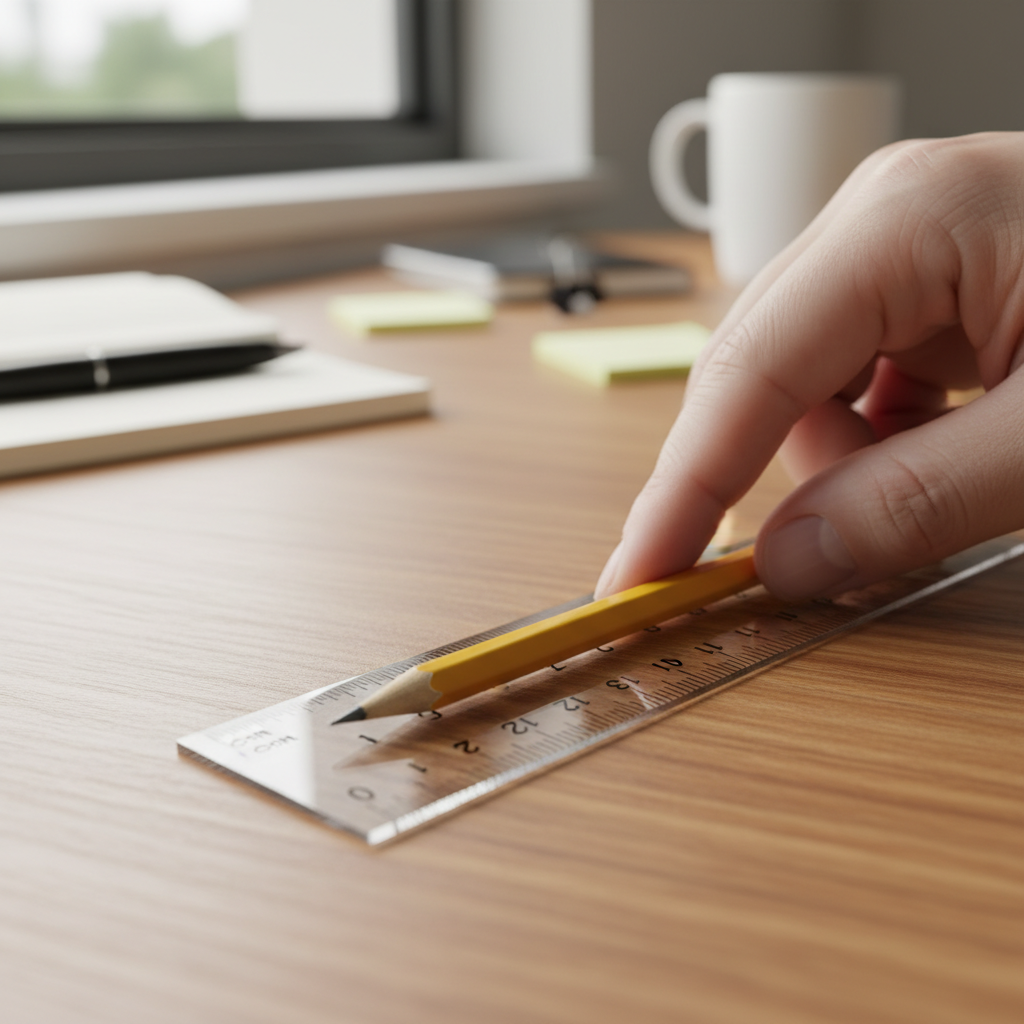
Measuring Length: How Long is It?
Length is one of the most common things we measure. It tells us how long, wide, or tall something is.
Analogy: The Snake's Length! Imagine a wiggly snake. To measure its length, we need to stretch it out straight and see how many "foot lengths" or "rulers" it covers.
We use tools like rulers, measuring tapes, and yardsticks to measure length. We also use units like inches, feet, yards, and miles for longer distances.
Real-Life Examples:
- Building a Toy House: You need to measure the wood or cardboard to make sure the walls are the same height and the roof fits perfectly.
- Your Height: When you go to the doctor, they measure how tall you are!
- A Road Trip: We measure the distance between cities in miles to know how far we need to travel.
Measuring Weight (Mass): How Heavy Is It?
Weight (or more precisely, mass) tells us how much 'stuff' is in an object. Is it light like a feather or heavy like a bowling ball?
Analogy: The Balloon vs. The Rock! Imagine holding a big, puffy balloon. It's very light. Now imagine holding a small rock. The rock might be much smaller, but it feels heavier because it has more 'stuff' packed into it. That 'stuff' is its mass.
We use tools like scales (bathroom scales, kitchen scales) to measure weight. We use units like ounces, pounds, and tons.
Real-Life Examples:
- Baking a Cake: You need to measure the flour, sugar, and butter using a kitchen scale or measuring cups to make sure your cake turns out just right. Too much or too little can change the taste and texture!
- Your Groceries: When you buy apples or a bag of rice, the store weighs them to know how much you're buying.
- Lifting Weights: Athletes measure how much weight they can lift to get stronger.
Measuring Capacity (Volume): How Much Does It Hold?
Capacity, or volume, tells us how much a container can hold. Think about how much juice fits in a jug or how much water is in a swimming pool.
Analogy: The Empty Bucket! Imagine an empty bucket. How much water can it hold before it overflows? That's its capacity! We can measure this capacity by filling it up with smaller cups and counting how many cups it takes.
We use tools like measuring cups, measuring spoons, and special containers with markings on the side. Common units include cups, pints, quarts, and gallons.
Real-Life Examples:
- Making Lemonade: You measure water and lemon juice using cups to make a delicious pitcher of lemonade.
- Filling a Bathtub: We measure how much water it takes to fill the bathtub to a comfortable level.
- Gasoline for a Car: Gas stations measure gasoline in gallons.
Measuring Time: How Long Does It Take?
Time is all around us! It tells us when things happen, how long they take, and helps us organize our day.
Analogy: The Running Race! Imagine a race. We use a stopwatch to see how long it takes each runner to cross the finish line. The runner with the shortest time wins! Time helps us measure speed and duration.
We use tools like clocks, watches, and calendars. We measure time in seconds, minutes, hours, days, weeks, months, and years.
Real-Life Examples:
- School Schedule: Your school day is divided into periods, measured in minutes and hours.
- Cooking: Recipes often tell you to cook something for a specific amount of time, like "bake for 30 minutes."
- Setting an Alarm: You set an alarm clock to wake up at a certain time in the morning.
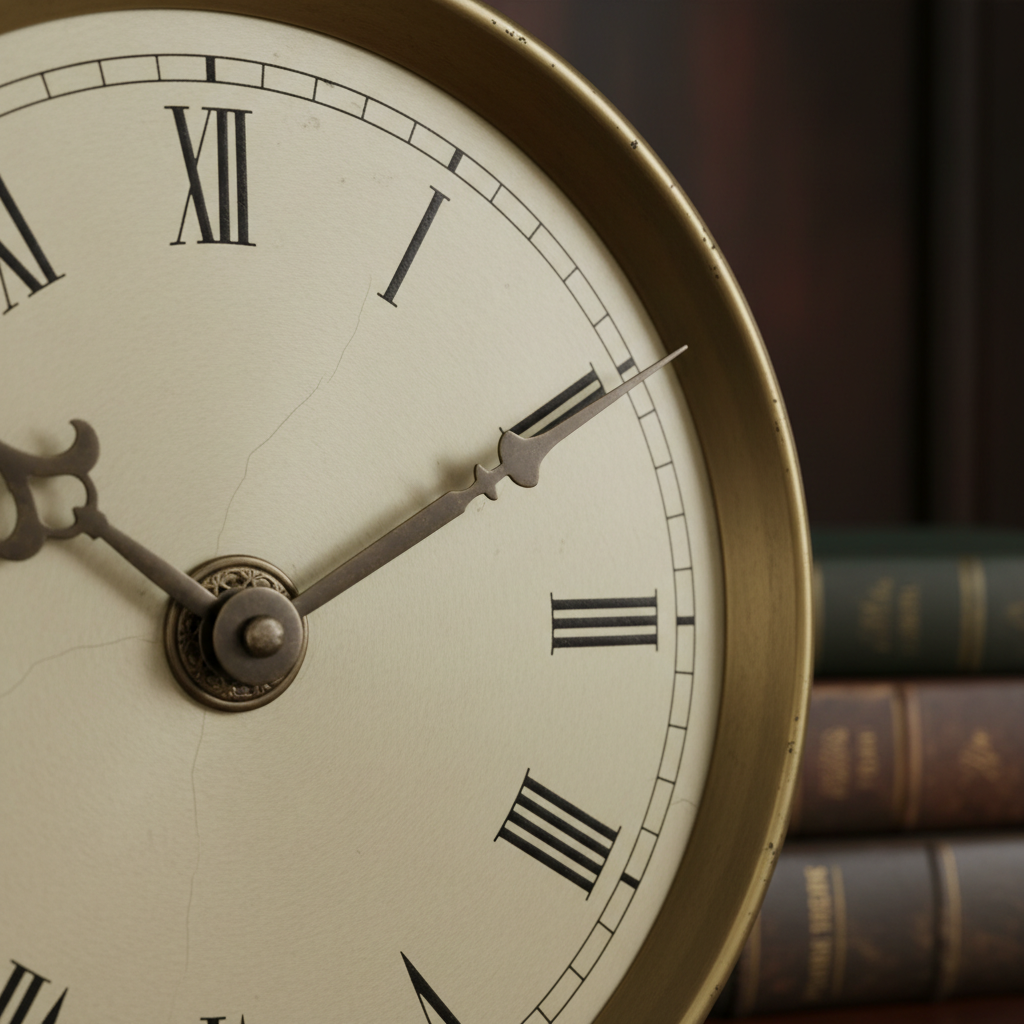 ⚠️ This picture may have spelling mistakes. Trust the words in the lesson.
Putting It All Together: Measurement in Action!
Measurement isn't just about numbers; it's about making sense of the world and making our lives easier and more fun! From baking cookies to building a treehouse, understanding measurement basics helps us do all sorts of amazing things. Keep your eyes open, and you'll see measurement in action everywhere you go!
Keep learning, free
Create a free Syllabax account to unlock practice questions and games for this topic.
Visual Learning Enhanced! 🚀
To help you master this topic, we use Advanced Syllabax AI to generate detailed diagrams and visual models.
Note on Visuals: The AI sometimes makes spelling errors in image labels. Please refer to the lesson text for the correct terminology.