Endangered species[BIOLOGY]
Watch this topic in 60 seconds
Free preview · Lesson 1
Understanding Endangered species[BIOLOGY]
Endangered Species: Our Planet's Precious Neighbors
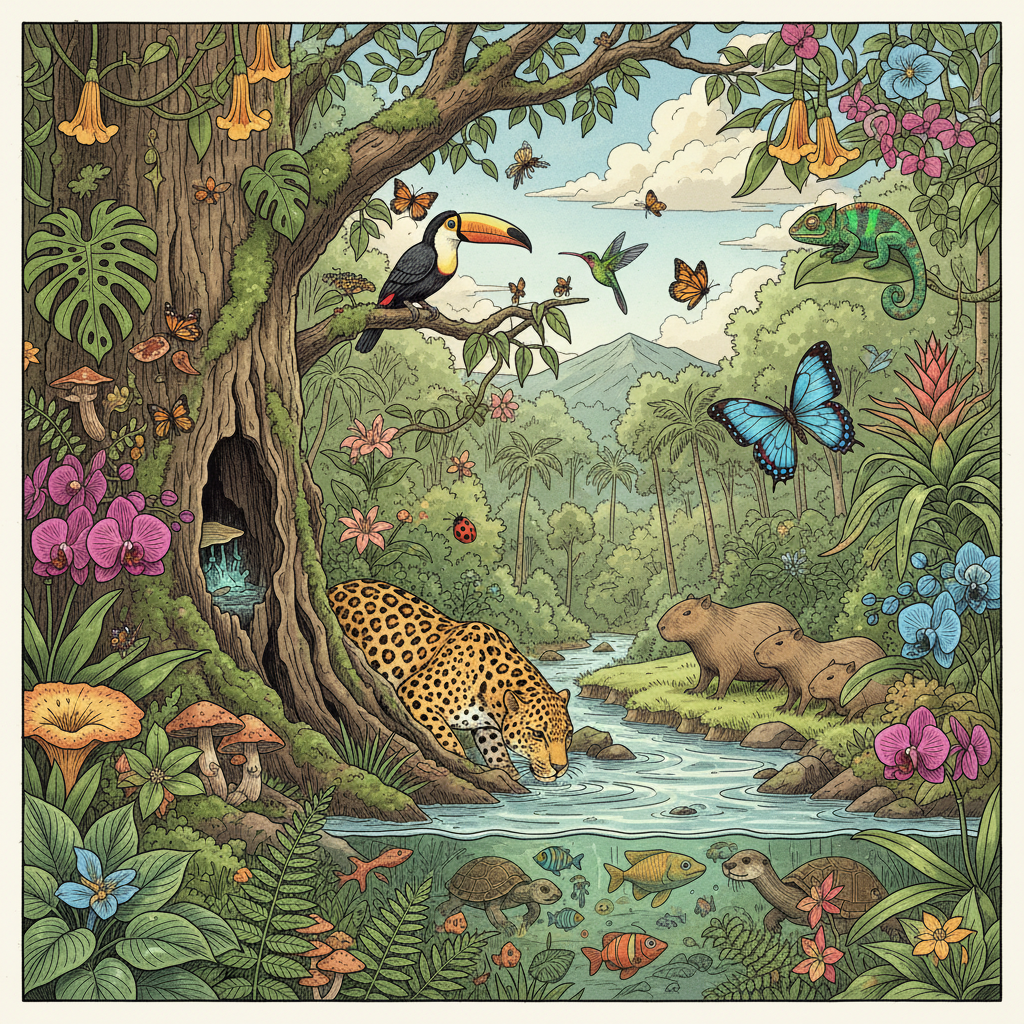
Imagine our planet Earth as a giant, bustling neighborhood. In this neighborhood, there are countless different types of residents: tall trees, tiny insects, fast-running animals, slow-moving creatures, and even microscopic organisms we can't see without a microscope. Each resident, no matter how small or large, plays a role in keeping our neighborhood healthy and vibrant.
What Does "Endangered" Mean?
Now, think about some of your neighbors. What if one day, you noticed that there were only a few people left living on your entire street? It would be concerning, right? That's a bit like what it means for a species to be endangered. An endangered species is a type of plant or animal that is in serious danger of disappearing forever from our planet. It's like having only a handful of a certain type of flower left in a huge garden, or only a few of a particular kind of bird left in a vast forest.
Why Do Species Become Endangered?
There are several reasons why a species might find itself in such a difficult situation. Think of it like a series of unfortunate events happening to our neighborhood residents:
1. Habitat Loss: The "Home" Disappears
Imagine if your house suddenly vanished! That's what happens when a species loses its habitat. A habitat is the natural home or environment where an animal or plant lives, eats, and reproduces. This includes forests, oceans, grasslands, and deserts.
Why does habitat loss happen?
- Deforestation: When forests are cut down for wood, farming, or building cities, animals that live in those forests lose their homes. It's like tearing down apartment buildings where many families lived.
- Urbanization: As towns and cities grow, they often spread into natural areas, destroying the homes of plants and animals. This is like a city expanding and building over parks and nature reserves.
- Agriculture: Large areas of land that were once forests or grasslands are cleared to grow crops or raise farm animals. This takes away the natural living spaces for wild species.
- Pollution: Sometimes, the environment becomes so polluted with chemicals or trash that it's no longer safe for certain species to live there. Think of a river that becomes so dirty that the fish can no longer survive.
2. Poaching and Overhunting: Too Much Hunting
This is like a neighborhood bully taking too many toys from a toy box, leaving none for others. Poaching is hunting or capturing wild animals illegally, often for their body parts (like ivory from elephants or fur from certain cats). Overhunting is when too many animals of a certain species are hunted, even if it's legal, to the point where their numbers become dangerously low. This is like picking all the berries from a bush without leaving any to grow back for next year.
3. Climate Change: The Weather Gets Weird
Our planet's climate, which is the average weather over a long time, is changing. This is often called climate change. As the planet gets warmer, ice caps melt, sea levels rise, and weather patterns become more extreme (more floods, droughts, and storms).
How does climate change affect endangered species?
- Melting Habitats: Polar bears, for example, rely on sea ice to hunt seals. As the ice melts, their hunting grounds disappear. It's like a fisherman losing his boat in a flood.
- Changing Food Sources: Plants might not grow in the usual places, or the insects that certain birds eat might disappear due to temperature changes. This is like a restaurant running out of its main ingredients.
- Extreme Weather: More frequent and intense storms or droughts can destroy habitats and kill large numbers of animals directly.
4. Invasive Species: New Neighbors Who Cause Trouble
Sometimes, new plants or animals are introduced to an area where they don't naturally belong. These are called invasive species. They can be like unwelcome guests who eat all the food, take up all the space, or even spread diseases that the local residents aren't used to. They can outcompete native species for food and shelter, or even prey on them.
5. Pollution: Making the Neighborhood Unhealthy
We already mentioned pollution as part of habitat loss, but it's important to highlight it separately. Pollution includes things like plastic waste in the oceans, chemicals dumped into rivers, and smog in the air. These can poison animals, make them sick, and destroy their environments. Imagine if someone kept throwing trash into your backyard – it would become unusable and unhealthy.
Why Should We Care About Endangered Species?
Why is it important to protect these precious residents of our planet's neighborhood?
1. Biodiversity: The Richness of Life
The variety of all living things on Earth is called biodiversity. Think of biodiversity as a giant, colorful quilt made of many different patches. Each patch is a different species. If some patches are removed, the quilt becomes less beautiful and less strong. Every species has a unique role, and losing one can affect many others.
2. Ecosystem Balance: Keeping Things Working
Every species is like a cog in a giant, intricate machine. If one cog breaks or is removed, the whole machine can start to malfunction. For example, bees pollinate plants, which provide food for other animals, which in turn are eaten by other predators. If the bees disappear, the whole system is disrupted. It's like a chain reaction.
3. Medicine and Science: Learning from Nature
Many important medicines and scientific discoveries have come from studying plants and animals. Some plants that are now endangered might hold the cure for diseases we don't even know about yet! Losing them means losing potential solutions to future problems. It's like throwing away a book before you've had a chance to read its valuable stories.
4. Ethics and Morality: It's the Right Thing to Do
Many people believe that we have a responsibility to protect other living beings. It's about being good stewards of our planet and ensuring that future generations can also enjoy the beauty and wonder of nature. It's like taking care of your younger siblings or pets.
What Can We Do to Help?
The good news is that we can all help protect endangered species! Even small actions can make a big difference:
- Reduce, Reuse, Recycle: This helps reduce pollution and the need to destroy habitats for new resources.
- Conserve Water and Energy: This helps reduce the impact of climate change.
- Support Conservation Organizations: Many groups work to protect endangered species and their habitats.
- Educate Yourself and Others: The more people know about endangered species, the more they can help.
- Make Responsible Choices: Avoid buying products made from endangered animals, and choose sustainable options whenever possible.
By understanding why species become endangered and what we can do to help, we can all work together to keep our planet's neighborhood vibrant and full of life for everyone!
Keep learning, free
Create a free Syllabax account to unlock practice questions and games for this topic.
Visual Learning Enhanced! 🚀
To help you master this topic, we use Advanced Syllabax AI to generate detailed diagrams and visual models.
Note on Visuals: The AI sometimes makes spelling errors in image labels. Please refer to the lesson text for the correct terminology.