Pollution awareness (BIOLOGY)
Watch this topic in 60 seconds
Free preview · Lesson 1
Understanding Pollution awareness (BIOLOGY)
Pollution Awareness: Keeping Our Planet Clean!
Hello future Earth protectors! Today, we're going on an exciting adventure to learn about something super important: **pollution**. Pollution is like when we make our beautiful planet Earth messy. Think of Earth as a giant, wonderful playground. We want to keep our playground clean and healthy for everyone – for us, for the animals, and for the plants!
What is Pollution?
Imagine you have a brand new toy, all shiny and perfect. Now, imagine someone spills juice on it, or throws mud all over it. That toy isn't as nice to play with anymore, is it? Pollution is like that for Earth. It's when harmful things get into the environment and make it dirty or unhealthy.
These harmful things are called **pollutants**. Pollutants can be tiny, like a speck of dust you can barely see, or they can be big, like a pile of trash. They can be invisible, like bad gases in the air, or they can be very visible, like plastic bottles floating in a river.
Why is Pollution a Problem?
Our planet is like a giant house for all living things. Everything is connected, like a big family. When one part of the family gets sick, it can affect everyone else. Pollution makes parts of our Earth-house sick.
For People: If the air is dirty, it's hard to breathe and can make us cough and feel sick. If the water is dirty, we can't drink it, and it can make us sick if we swallow it. Dirty land can't grow healthy food.
For Animals: Animals need clean air to breathe, clean water to drink, and safe places to live. If their homes are polluted, they can get sick, have trouble finding food, or even lose their homes altogether. Imagine a fish trying to swim in a river full of plastic bags – it's very dangerous!
For Plants: Plants need clean air, water, and soil to grow. Pollution can stop them from growing, making them weak or even killing them. Healthy plants are important because they give us oxygen to breathe!
Types of Pollution
Pollution isn't just one thing; it comes in many forms. Let's explore the main types:
1. Air Pollution
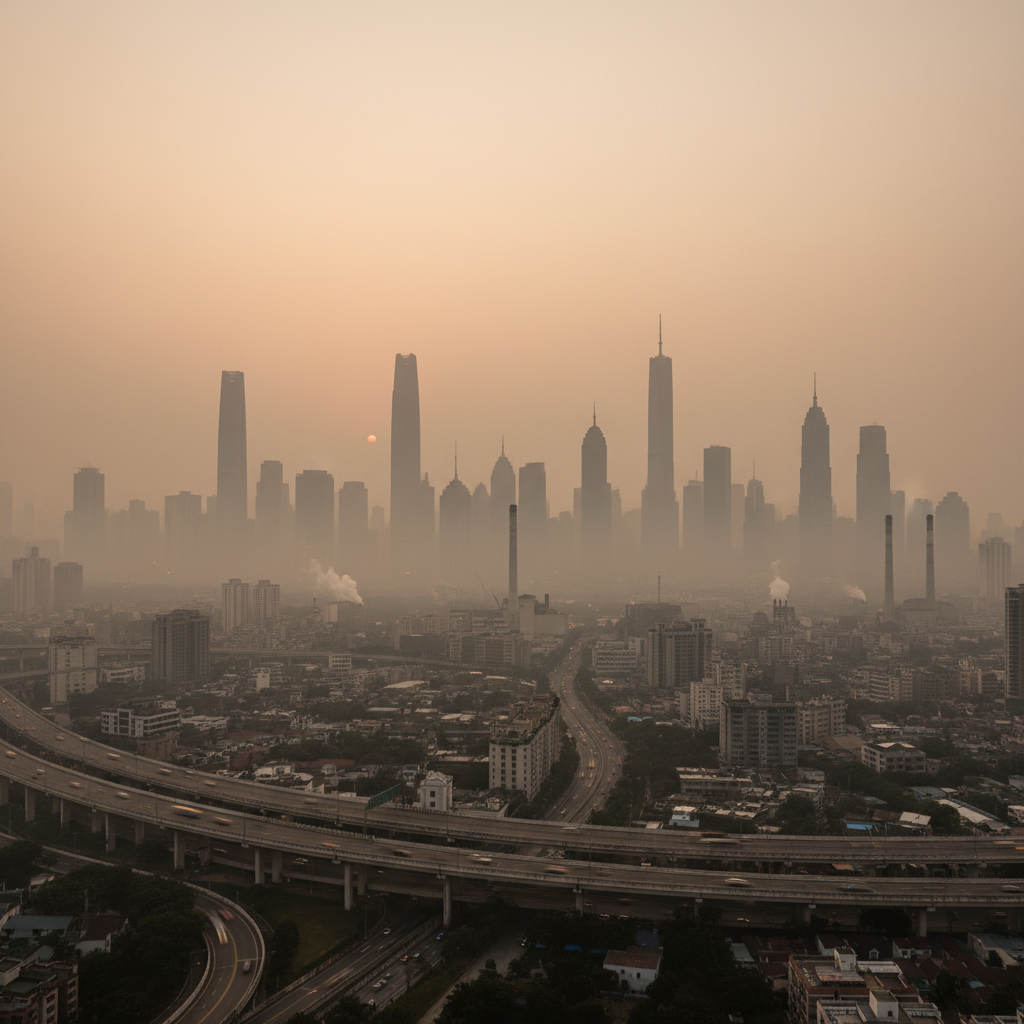
Think about when you blow out birthday candles – the smoke goes into the air. Air pollution is when too much smoke, dust, or harmful gases get into the air we breathe. This can come from:
- Cars and Trucks: The exhaust (the smoke coming out of the back) can be a pollutant.
- Factories: Some factories release smoke and gases.
- Burning Things: Burning trash or wood can create smoke.
Imagine the air is like a big, invisible blanket around the Earth. When we add too many pollutants, it's like making that blanket dirty and thick, making it harder for us and animals to breathe comfortably.
2. Water Pollution
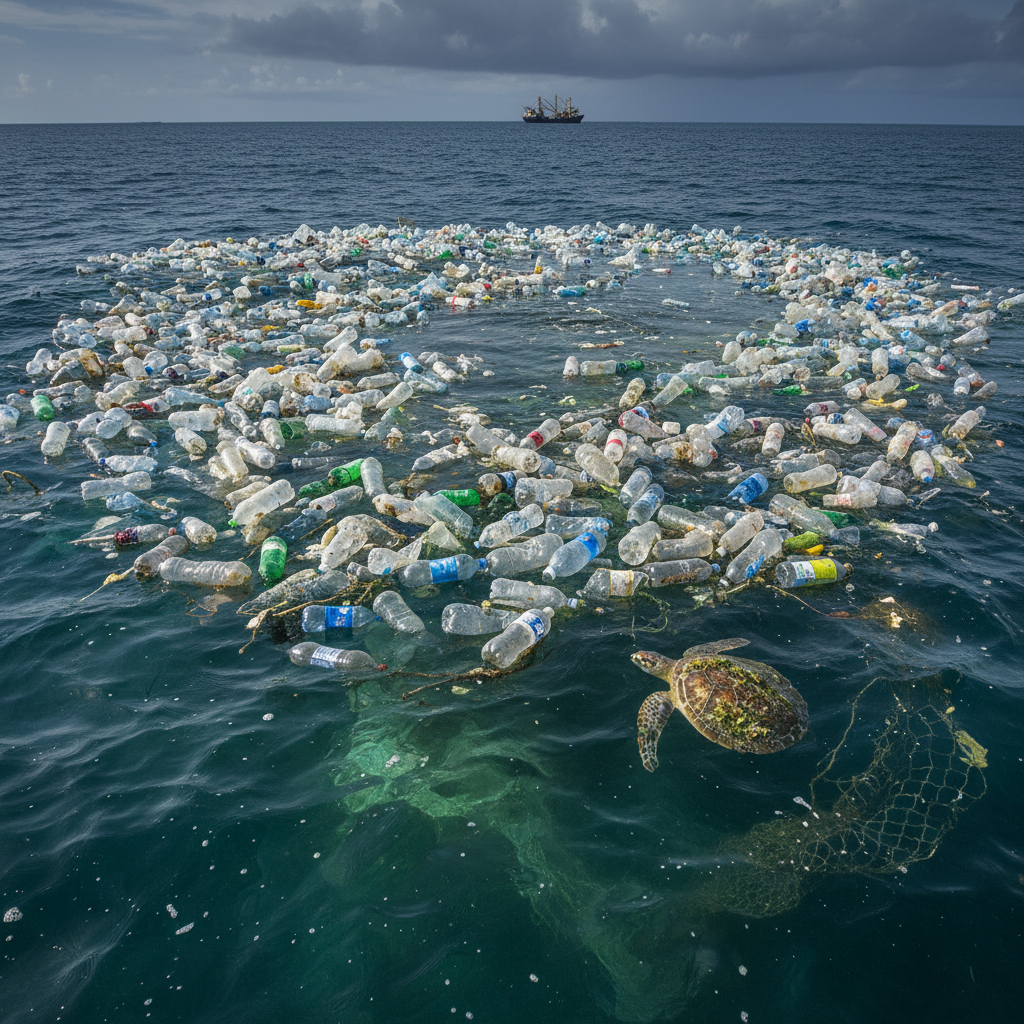
Our rivers, lakes, and oceans are like the Earth's drinking water and swimming pools. Water pollution happens when harmful things get into these water bodies.
- Trash: Plastic bags, bottles, and other garbage can end up in rivers and oceans.
- Chemicals: Sometimes, chemicals from farms or factories get washed into the water.
- Oil Spills: When oil spills from ships, it creates a thick, black mess on the water.
It's like pouring dirty dishwater into your clean bathtub – it makes the whole tub unusable and unhealthy. Animals that live in the water can get tangled in trash or poisoned by chemicals.
3. Land Pollution (Soil Pollution)
The ground beneath our feet, where plants grow and animals live, is called land or soil. Land pollution happens when the soil becomes dirty and unhealthy.
- Trash/Garbage: When we throw away too much garbage, and it's not disposed of properly, it piles up and pollutes the land.
- Chemicals: Some chemicals used in farming or from trash can soak into the soil.
Think of the soil as a giant sponge that helps plants grow. If you soak that sponge in something yucky, the plants growing in it won't be healthy. Too much garbage on the land can also make it hard for animals to find food or build homes.
4. Noise Pollution
Did you know that too much noise can also be a type of pollution? Noise pollution is when there are loud, unpleasant sounds that can be harmful to people and animals.
- Loud Music: Very loud music for long periods.
- Traffic: Constant honking horns and noisy engines.
- Construction: Loud building sounds.
Imagine trying to sleep or concentrate when someone is constantly banging pots and pans next to you. It's stressful and makes it hard to relax. Animals can get scared or have trouble communicating when there's too much noise.
What Can We Do to Help?
The good news is that even though pollution is a big problem, we can all be superheroes and help keep our planet clean! Here are some simple things you can do:
- Reduce, Reuse, Recycle:
- Reduce: Use less of things. For example, use a reusable water bottle instead of buying new plastic ones. Turn off lights when you leave a room to save energy.
- Reuse: Find new ways to use old things. An old jar can become a pencil holder!
- Recycle: Put paper, plastic, glass, and metal in the special recycling bins so they can be made into new things.
- Don't Litter: Always put your trash in a trash can. If you see trash on the ground, pick it up and throw it away (ask a grown-up if you're unsure).
- Save Water: Turn off the tap when brushing your teeth. Take shorter showers.
- Save Energy: Turn off lights and electronics when you're not using them.
- Walk or Bike: When possible, walk or ride your bike instead of taking a car. This helps reduce air pollution!
- Plant Trees: Trees help clean the air!
- Learn More and Share: The more you learn about pollution, the more you can help and teach others!
Being aware of pollution and taking small steps can make a HUGE difference. You are the future caretakers of our amazing planet Earth!
Keep learning, free
Create a free Syllabax account to unlock practice questions and games for this topic.
Visual Learning Enhanced! 🚀
To help you master this topic, we use Advanced Syllabax AI to generate detailed diagrams and visual models.
Note on Visuals: The AI sometimes makes spelling errors in image labels. Please refer to the lesson text for the correct terminology.