Addition, subtraction of money (Money)
Watch this topic in 60 seconds
Free preview · Lesson 1
Understanding Addition, subtraction of money (Money)
Counting Our Coins: Addition and Subtraction with Money!
Welcome, young mathematicians! Today, we're going on an exciting adventure into the world of money. Just like we use numbers to count toys or candies, we use them to count money too! Money helps us buy the things we need and want, like yummy snacks, fun games, or even a new book.
What is Money?
Money comes in different shapes and sizes, like coins and bills. Think of them as special tokens that have a value. In many places, we use coins that are round and made of metal, and bills that are like paper rectangles. Each coin and bill has a number on it that tells us how much it's worth. For example, a penny is worth 1 cent, a nickel is worth 5 cents, a dime is worth 10 cents, and a quarter is worth 25 cents. Bills have higher values, like a 1-dollar bill or a 5-dollar bill.
Imagine you have a piggy bank. When you put coins and bills inside, you are collecting money. We can count how much money is inside by adding up the value of each coin and bill.
Adding Money: When We Get More!
Addition is like when you receive money as a gift for your birthday, or when you do chores and earn some allowance. When we add money, we are putting amounts together to find out the total. It's like gathering all your shiny coins and counting them up to see how many you have in total!
Scenario 1: Buying a Treat
Let's say you have a pocket full of change. You have two quarters, which are worth 25 cents each, and one dime, which is worth 10 cents.
To find out how much money you have, we add:
25 cents (first quarter) + 25 cents (second quarter) + 10 cents (dime) = ?
We can add the quarters first: 25 + 25 = 50 cents. Then, we add the dime: 50 + 10 = 60 cents. So, you have 60 cents in total!
Think of it like this: If you have 5 red marbles and your friend gives you 3 blue marbles, you now have 5 + 3 = 8 marbles in total. Adding money works the same way!
Scenario 2: Earning Allowance
Imagine you did some excellent work helping around the house. Your parents give you a 5-dollar bill and a 1-dollar bill. How much money did you earn?
We add the values:
It's like collecting stickers. If you have a page with 10 stickers and you add another page with 7 stickers, you have 10 + 7 = 17 stickers altogether.
 ⚠️ This picture may have spelling mistakes. Trust the words in the lesson.
Subtracting Money: When We Spend or Give Away!
Subtraction is the opposite of addition. It's what happens when you spend money to buy something, or when you give some of your money to a friend or a charity. When we subtract money, we are taking away an amount from a total to find out how much is left.
Scenario 1: Buying a Toy
Let's say you have 50 cents in your pocket. You really want to buy a bouncy ball that costs 30 cents. How much money will you have left after you buy it?
We subtract the cost of the ball from the money you have: 50 cents - 30 cents = ?
50 - 30 = 20 cents. You will have 20 cents left.
Think of it like this: If you have 7 cookies and you eat 2 of them, you now have 7 - 2 = 5 cookies left. Subtracting money is just like taking away items.
Scenario 2: Saving Up and Spending
Suppose you saved up 10 dollars. You decide to buy a new superhero comic book that costs 3 dollars. How much money do you have remaining?
We subtract the cost of the comic book:
It's like having a collection of 12 crayons, and you give away 4 of them to a classmate. You would have 12 - 4 = 8 crayons left.
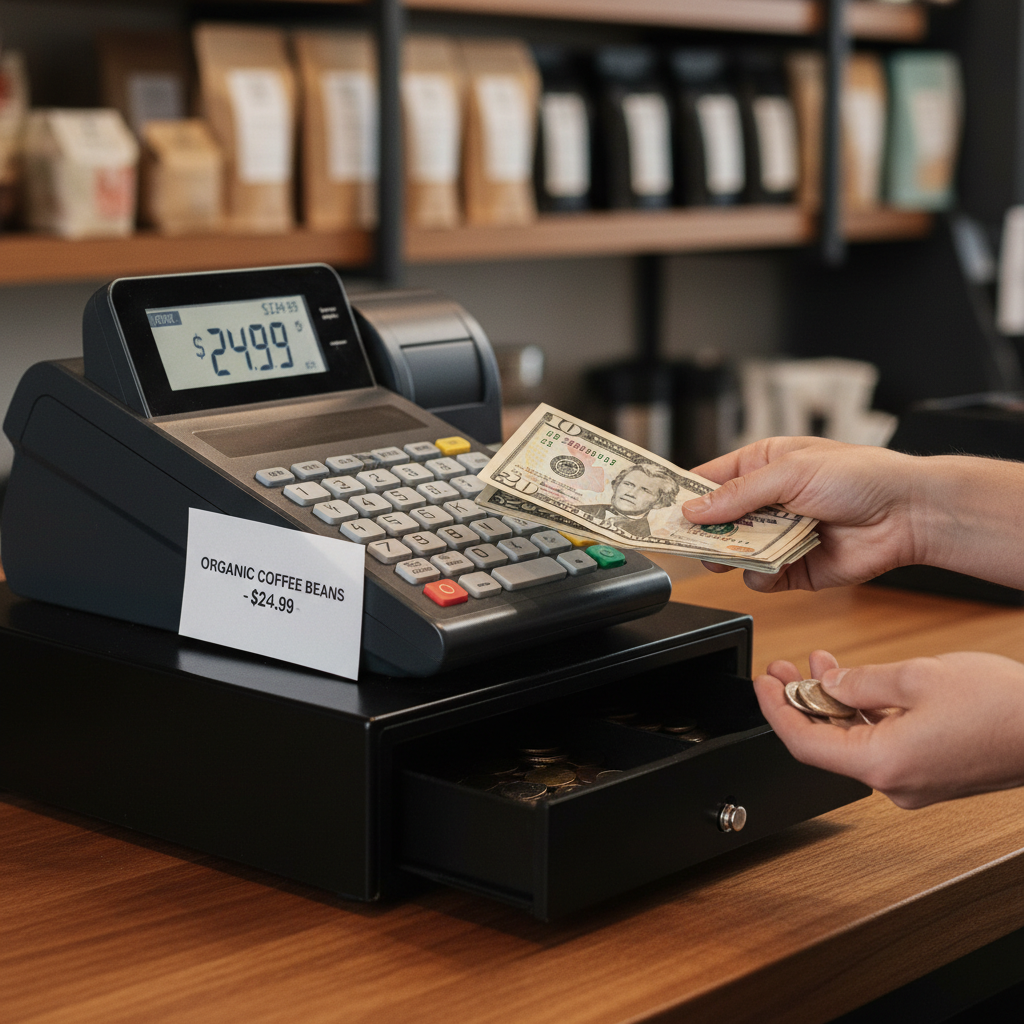
Putting It All Together: Real-Life Money Problems!
Money is all around us! Let's practice with a few more examples:
Example 1:
Maria has
First, we add the money she earned:
Then, we subtract the money she spent:
Maria has $4 left.
Example 2:
David has a quarter (25 cents) and a dime (10 cents). He finds another quarter (25 cents) on the sidewalk. He then spends 15 cents on a piece of gum. How much money does David have left?
First, let's see how much he started with: 25 cents + 10 cents = 35 cents.
Then, add the quarter he found: 35 cents + 25 cents = 60 cents.
Finally, subtract the cost of the gum: 60 cents - 15 cents = 45 cents.
David has 45 cents left.
Remember, with money, we can add to see how much we have in total or when we get more, and we can subtract to see how much is left after we spend or give some away. Keep practicing, and you'll become a money expert in no time!
Keep learning, free
Create a free Syllabax account to unlock practice questions and games for this topic.
Visual Learning Enhanced! 🚀
To help you master this topic, we use Advanced Syllabax AI to generate detailed diagrams and visual models.
Note on Visuals: The AI sometimes makes spelling errors in image labels. Please refer to the lesson text for the correct terminology.