Analogy (verbal & non-verbal) – Analytical Reasoning
Watch this topic in 60 seconds
Free preview · Lesson 1
Analogy (verbal & non-verbal) – Analytical Reasoning (Foundational)
Analogy (Verbal & Non-Verbal) – Analytical Reasoning (Foundational)
Hey there, future problem-solvers! Ever played a game where you have to find something that's similar to something else? That's kind of what analogies are all about! Let's dive in and learn how to become analogy masters.
What is an Analogy?
An analogy is a comparison between two things that are usually quite different but have something important in common. It's like saying one thing is like another thing. We use analogies to understand new ideas by relating them to things we already know.
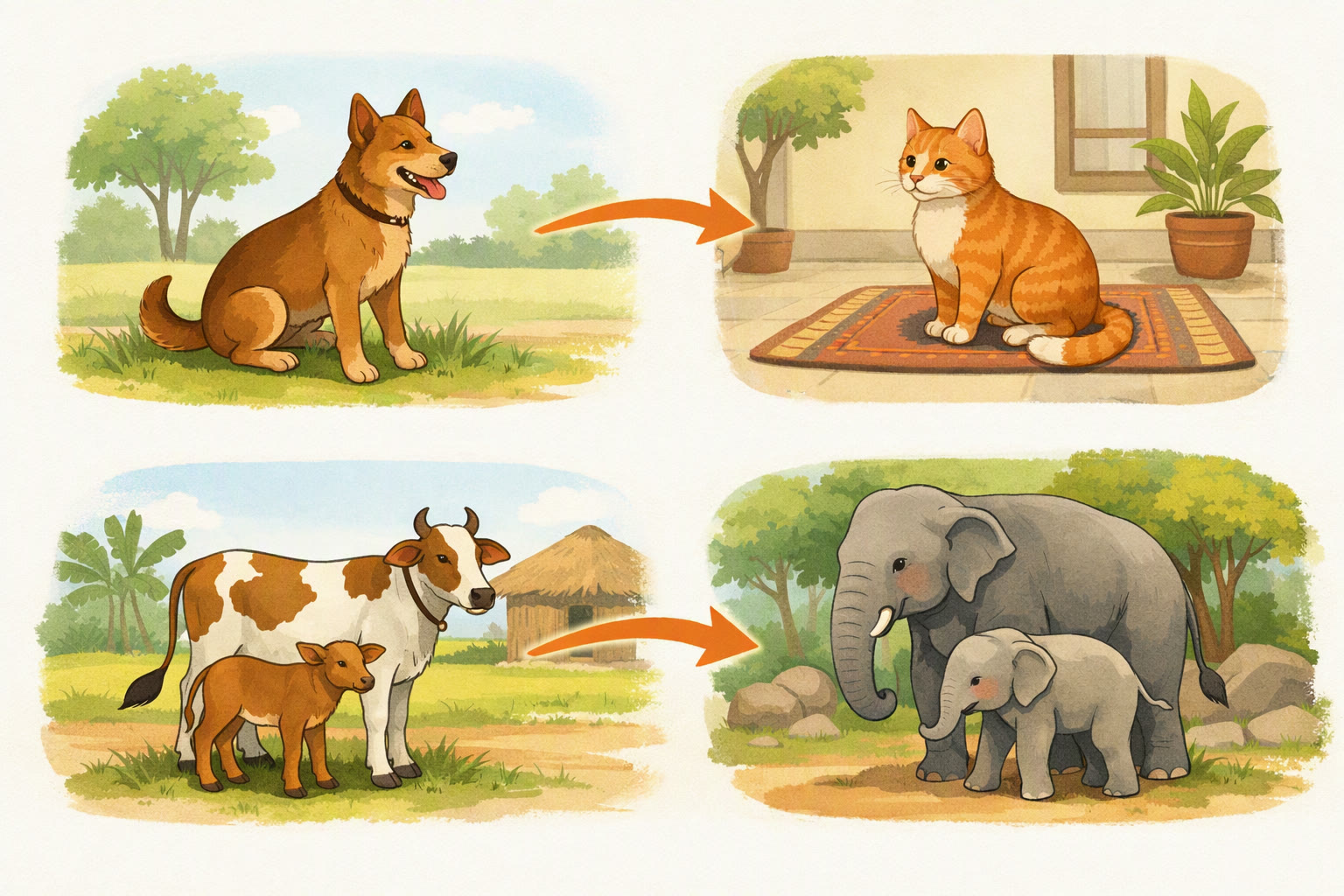
Types of Analogies
Analogies come in two main flavors:
- Verbal Analogies: These use words to show relationships. For example: "Dog is to puppy as cat is to kitten."
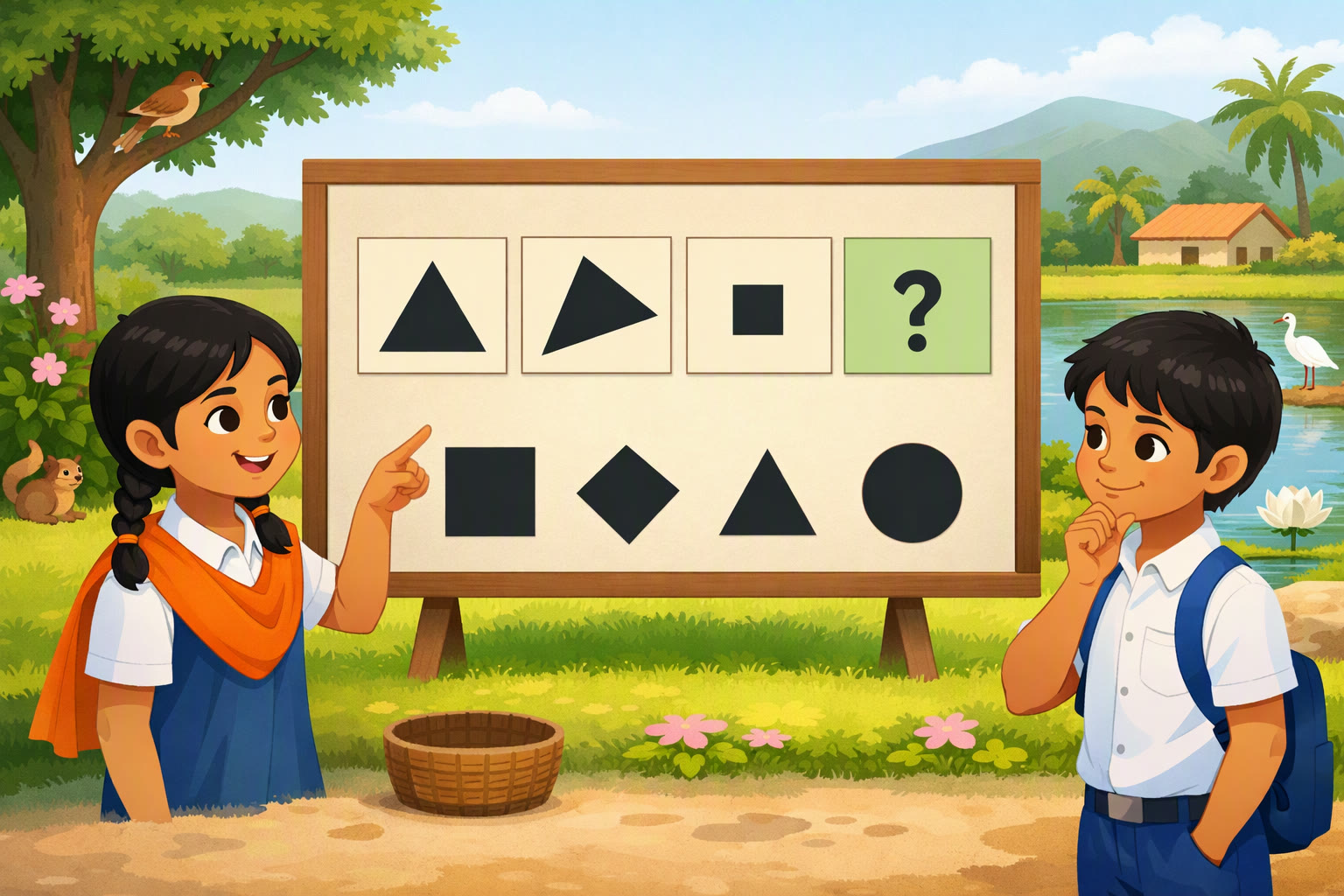
- Non-Verbal Analogies: These use pictures or shapes to show relationships. Think of patterns where you have to figure out the next shape in the series.
How to Solve Verbal Analogies
Let's break down how to solve verbal analogies, like the "Dog is to puppy as cat is to kitten" example.
- Figure out the relationship: What's the relationship between a dog and a puppy? A puppy is a young dog.
- Apply the relationship: Now, apply that same relationship to the other part of the analogy. What's a young cat called? A kitten!
- Check your answer: Does "Cat is to kitten" show the same relationship as "Dog is to puppy"? Yes!
Here's another example:
Hot is to cold as day is to ____?
- What's the relationship between hot and cold? They are opposites.
- What's the opposite of day? Night!
- So the answer is: Hot is to cold as day is to night.
How to Solve Non-Verbal Analogies
Non-verbal analogies use shapes and patterns. The process is similar:
- Figure out the pattern: What changes are happening between the first two shapes? Is it rotating? Is the size changing?
- Apply the pattern: Apply that same change to the third shape.
- Choose the matching shape: Find the shape that matches the new pattern.
Keep learning, free
Create a free Syllabax account to unlock practice questions and games for this topic.
Visual Learning Enhanced! 🚀
To help you master this topic, we use Advanced Syllabax AI to generate detailed diagrams and visual models.
Note on Visuals: The AI sometimes makes spelling errors in image labels. Please refer to the lesson text for the correct terminology.