Changes in states: melting, freezing (States Of Matter)
Watch this topic in 60 seconds
Free preview · Lesson 1
Understanding Changes in states: melting, freezing (States Of Matter)
Hello, Super Scientists! Let's Explore Changes in Matter!
Have you ever seen an ice cube melt into a puddle of water? Or watched water turn into solid ice in the freezer? These are amazing tricks that matter can do! Today, we're going to become detectives and uncover the secrets of how things change their "state" – especially how they melt and freeze!
What is Matter? Everything Around Us!
First, let's talk about 'matter'. Don't let the big word scare you! Matter is simply anything that takes up space and has weight. Look around you! The chair you're sitting on, the air you breathe, the water you drink, even YOU – everything is made of matter! Matter can come in different forms, which we call "states." For third graders, we mostly talk about three main states: solids, liquids, and gases.
1. Solids: Things that Hold Their Shape!
Imagine your favorite toy block. Does it keep its shape? Yes! Does it stay in one place unless you move it? Yes! That's because it's a solid. Solids are like a team of friends holding hands very tightly. They can wiggle a little bit, but they can't move past each other. They have a definite shape and a definite size.
- Examples of Solids: A rock, a pencil, your desk, an ice cube, a piece of chocolate.
- Think of it like this: Imagine a school bus full of kids, all buckled in their seats. They can wiggle and tap their feet, but they can't get up and run around the bus. They are in a fixed position, just like the tiny pieces (called particles) that make up a solid.
2. Liquids: Things that Flow and Pour!
Now, think about the juice in your glass. Does it stay in one shape? No! It takes the shape of the glass. If you pour it into a different glass, it takes that new shape! That's because juice is a liquid. Liquids are like our team of friends who have let go of hands, but they still want to stay close to each other. They can slide past each other, which is why liquids can flow and be poured.
- Examples of Liquids: Water, milk, juice, cooking oil, honey.
- Think of it like this: Imagine those same kids from the bus, but now they're in the school playground. They can run around, slide past each other, and explore, but they usually stay within the playground boundaries. Liquids don't have a fixed shape; they take the shape of their container. But they do have a definite size (a certain amount).
3. Gases: Things that Spread Out Everywhere! (A Quick Look)
We won't spend too much time on gases today, but it's good to know about them! Think about the air you breathe. Can you see it? No! Can you hold it in your hand? No! Gases are like our team of friends who have run out of the playground and are now running all over the school field, spreading out as much as they can. They don't have a fixed shape OR a fixed size – they just spread out to fill whatever space they are in.
- Examples of Gases: The air we breathe, the steam from a boiling pot, the gas inside a balloon.
The Big Change: Melting! (Solid to Liquid)
Now for the exciting part! Have you ever left an ice cube out on a warm day? What happens? It turns into a puddle of water! This amazing change is called melting.
What is Melting? Melting is when a solid changes into a liquid. It happens when you add heat energy to the solid. Think of heat as energy that makes the tiny particles inside the solid get excited and move faster!
How does it work?
- When you heat a solid (like an ice cube), you are giving energy to its tiny particles.
- These particles start to wiggle and shake faster and faster.
- They get so much energy that they can't hold onto each other tightly anymore. They let go!
- Once they let go, they can slide past each other, and the solid turns into a liquid.
Let's use an analogy: Imagine you have a Lego tower (a solid). All the Lego bricks are stuck together tightly. Now, imagine you get a super-strong hairdryer and start blowing hot air on the tower. What happens? The glue holding the bricks together starts to get soft, and the bricks start to wiggle. If you add enough heat, the glue melts, and the bricks can slide apart, turning the tower into a pile of loose bricks (a liquid!).
Common things that melt:
- Ice: Ice (solid water) melts into water (liquid water) when it gets warm. This is a perfect example you see every day!
- Chocolate: If you hold a chocolate bar in your warm hand for too long, it will start to melt and become gooey.
- Butter: When you put butter in a hot pan, it melts and turns into a liquid.
- Candles: The wax on a candle melts when the flame heats it up.
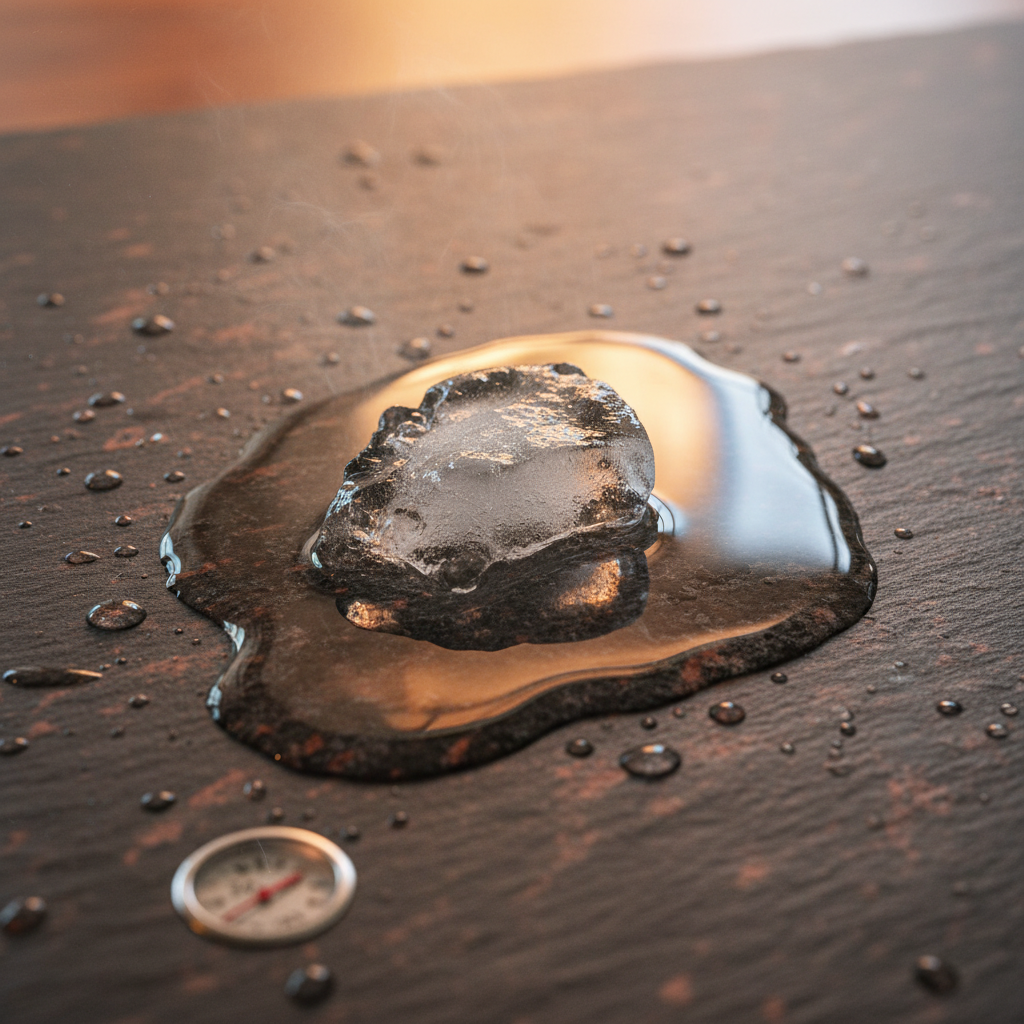
Remember, the *material* doesn't change – an ice cube is still water, even when it melts into liquid water. It just changes its *form*!
The Opposite Change: Freezing! (Liquid to Solid)
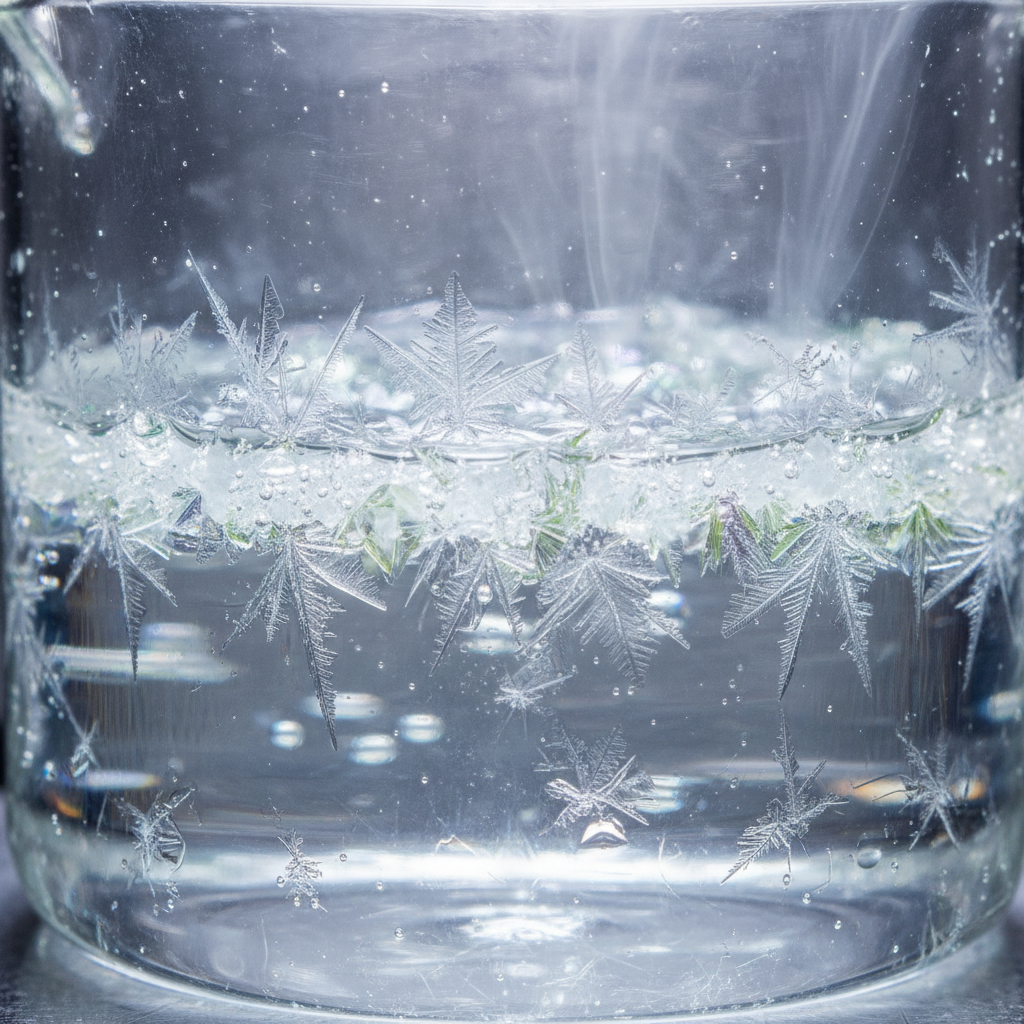
Now, let's reverse the magic! What happens if you put a cup of water into a very cold freezer? After some time, it turns into a solid block of ice! This change is called freezing.
What is Freezing? Freezing is when a liquid changes into a solid. It happens when you take away heat energy from the liquid, making it colder. Think of it as slowing down those excited particles!
How does it work?
- When you cool a liquid down (like putting water in the freezer), you are taking away energy from its tiny particles.
- These particles start to slow down.
- As they slow down, they get closer and closer together and start to hold onto each other tightly again.
- Once they are holding hands tightly in a fixed position, the liquid turns into a solid.
Let's use an analogy again: Remember our loose Lego bricks (a liquid)? Now imagine you have a special super-glue machine that cools the bricks down and helps them stick together very, very tightly in a specific shape. As they cool and stick, they form a solid Lego tower again! Taking away heat helps the particles "stick" together.
Common things that freeze:
- Water: Water (liquid water) freezes into ice (solid water) when it gets cold enough, like in a freezer. This is the most common example!
- Juice Pops: When you put liquid juice into a mold and freeze it, it turns into a solid, delicious juice pop!
- Lava: When hot, liquid lava from a volcano cools down, it freezes into solid rock.
 ⚠️ This picture may have spelling mistakes. Trust the words in the lesson.
Just like with melting, the *material* doesn't change when it freezes. It's still water, just in a different form!
Melting and Freezing: Everyday Superpowers!
These changes are happening all around you, all the time!
- Your ice cream melts on a hot day.
- Puddles of water can freeze into slippery ice overnight when it's very cold.
- Candle wax drips as it melts and then hardens (freezes) again as it cools.
- Even the butter you put on toast melts when it gets warm!
Isn't it amazing how matter can switch back and forth between states just by adding or taking away heat? It's like matter has its own magic tricks!
Key Ideas to Remember:
- Matter is anything that takes up space and has weight.
- The three main states of matter are solids (fixed shape, fixed size), liquids (no fixed shape, but fixed size, can flow), and gases (no fixed shape, no fixed size, spread out).
- Melting is when a solid turns into a liquid by adding heat. (Think ice to water!)
- Freezing is when a liquid turns into a solid by taking away heat. (Think water to ice!)
- When matter melts or freezes, it's still the same stuff, just in a different state!
Keep your eyes open for melting and freezing happening around you every day. You're now a true state-of-matter expert!
Keep learning, free
Create a free Syllabax account to unlock practice questions and games for this topic.
Visual Learning Enhanced! 🚀
To help you master this topic, we use Advanced Syllabax AI to generate detailed diagrams and visual models.
Note on Visuals: The AI sometimes makes spelling errors in image labels. Please refer to the lesson text for the correct terminology.