Making Groups of Five
Watch this topic in 60 seconds
Free preview · Lesson 1
Understanding Making Groups of Five
Let's Make Groups of Five!
Hello, Super Counters! Today, we're going on an exciting adventure to learn about something super helpful called 'Making Groups of Five'. It's like sorting your toys so they're easy to find, but for numbers!
What is a Group?
Imagine you and your friends want to play a game. You might make a 'group' or a 'team' to play together, right? A group is just a bunch of things put together. In math, we often put numbers of things into groups to make counting easier!
Meet the Number Five!
Can you hold up one hand? Look at your fingers! How many do you see? That's right, five! The number five is a very special number because we have five fingers on one hand and five toes on one foot. It's like your body is already showing you a group of five all the time!
Think about a high-five! When you give someone a high-five, you're putting your hand (with five fingers!) against theirs. It's a happy way to show five!
Why Make Groups of Five? It's Super Helpful!
Making groups of five is like having a special tray that perfectly holds five cookies. If you have lots of cookies, it's easier to count them by looking at how many trays you have, instead of counting each cookie one by one. It makes big numbers much simpler to understand and count quickly!
It's also like when you see five petals on a flower, or five stars in a row on a special flag. Our brains love to see things in small, easy-to-manage groups, and five is one of the best!
How to Make Groups of Five
1. Using Your Fingers!
This is the easiest way! Just hold up one hand. You've just made a group of five fingers! If you hold up both hands, how many fingers do you have? Ten! That's two groups of five!
2. Using Objects!
Let's try with real things! Gather some small objects like blocks, crayons, or buttons. Now, pick them up one by one and count aloud until you have five. Stop when you reach five! You've just made a group of five! Put those five together in a little pile. If you have more objects, start a new pile and count to five again.
Here’s what a group of five might look like:
3. Drawing Pictures!
You can draw groups of five too! Draw five little happy faces, five stars, or five circles on your paper. Make sure you stop at five to keep them in a group!
4. Tally Marks: The Special Way to Show Five!
There's a really cool, secret way grown-ups often use to count groups of five. They're called 'tally marks'. It's like drawing little sticks!
- You draw one line for 1: |
- Two lines for 2: ||
- Three lines for 3: |||
- Four lines for 4: ||||
- And for five, you draw one line *across* the first four! It makes a little gate!
||||
This 'gate' always means five! It's like the number five is giving itself a big hug. It's super fast to count when you see these groups of five.
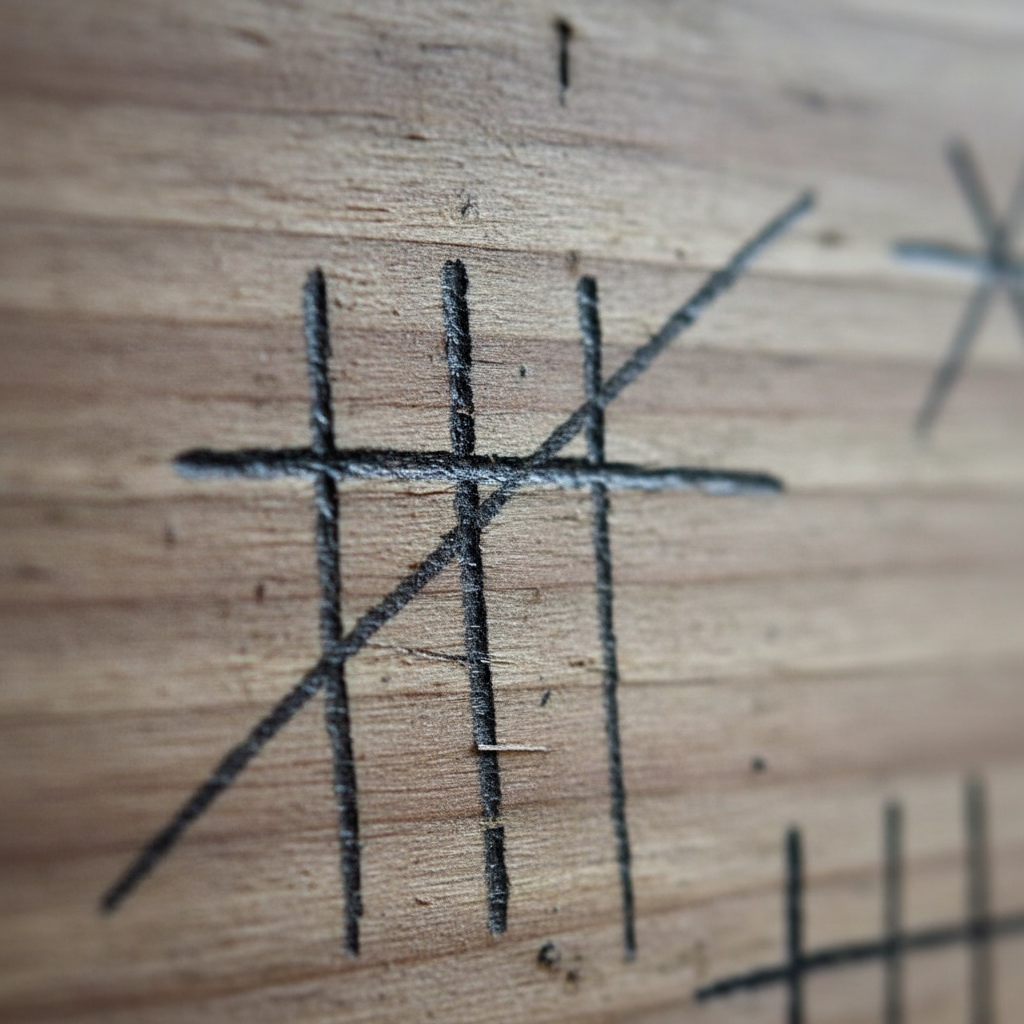 ⚠️ This picture may have spelling mistakes. Trust the words in the lesson.
Counting Big Numbers with Groups of Five
Once you know how to make groups of five, counting bigger numbers is a breeze! Let's say you have 10 cookies. Instead of counting 1, 2, 3... all the way to 10, you can just say: "Here's one group of five! And here's another group of five!" Two groups of five make ten! See how fast that was?
If you have 15 stickers, you could make three groups of five! 5 + 5 + 5 = 15!
Keep Practicing!
The more you practice making groups of five, the better you'll become at counting and understanding numbers. Look for groups of five everywhere: your fingers, petals on a flower, dots on a domino! You're becoming a super math detective!
Keep learning, free
Create a free Syllabax account to unlock practice questions and games for this topic.
Visual Learning Enhanced! 🚀
To help you master this topic, we use Advanced Syllabax AI to generate detailed diagrams and visual models.
Note on Visuals: The AI sometimes makes spelling errors in image labels. Please refer to the lesson text for the correct terminology.