Digital Citizenship: Being Responsible Online
Watch this topic in 60 seconds
Free preview · Lesson 1
Understanding Digital Citizenship: Being Responsible Online
Welcome to Digital Citizenship: Being Responsible Online!
Hey there, future digital superstars! Imagine you live in a super cool neighborhood. You know how you have rules to follow to be a good neighbor, like not littering, being kind to others, and helping out? Well, the internet is like a giant, worldwide neighborhood! And just like in your real neighborhood, there are ways to be a good "digital citizen." Digital citizenship means learning how to be safe, kind, and smart when you're using computers, tablets, phones, and the internet.
What is Digital Citizenship?
Think of it like this: Digital citizenship is all about knowing your rights and responsibilities when you're online. It's about making good choices and understanding that your actions online have real-world effects. Just like a superhero has a code of conduct, a digital citizen has a code of conduct for the online world!
Part 1: Being SAFE Online – Protecting Your Digital Super-Secret Identity!
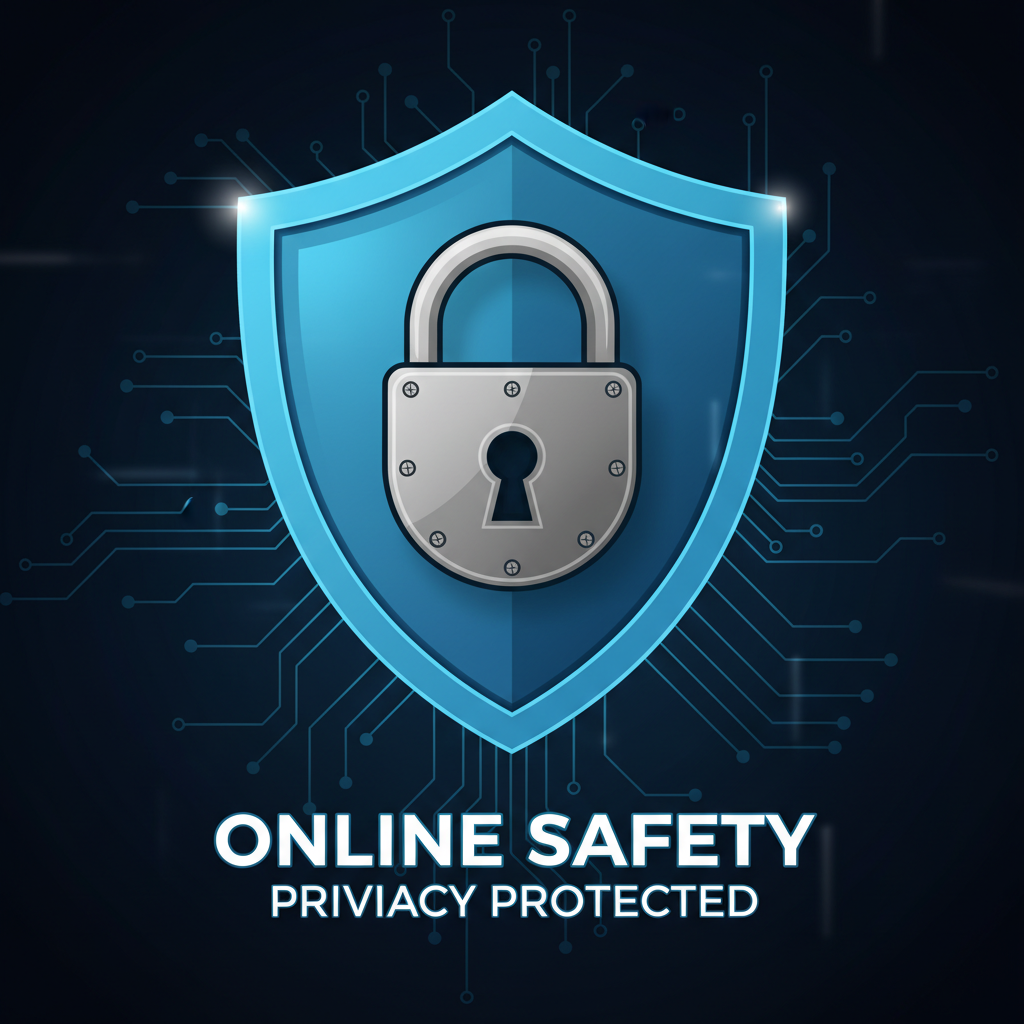
One of the most important parts of being a good digital citizen is staying safe. The internet is a fantastic place filled with amazing games, videos, and learning opportunities, but it also has its tricky spots. Knowing how to protect yourself is like having a super-shield!
Keep Personal Information PRIVATE
Your personal information is like your secret treasure map – you wouldn't just give it to anyone, would you? Personal information includes things like your full name, address, phone number, school name, and even your age. Online, you should NEVER share these details without asking a trusted adult first. Sharing too much information can be risky, just like shouting your home address to strangers on the street. Always remember: When in doubt, don't give it out!
- Analogy: Imagine your personal information is like the secret combination to a very special vault. You wouldn't tell that combination to just anyone, right? You keep it safe and only share it with people you absolutely trust, like your parents or guardians.
Create SUPER Strong Passwords
Passwords are like the locks on your digital doors. A weak password is like a flimsy lock that anyone can pick, but a strong password is like an unbreakable vault door! To make a strong password:
- Use a mix of uppercase (BIG letters) and lowercase (small letters).
- Include numbers (1, 2, 3) and symbols (!, @, #, $).
- Make it long! The longer, the better.
- Don't use easy-to-guess things like your birthday or "password123."
Always keep your passwords a secret, even from your best friends! Only your parents or guardians should know them.
- Analogy: Think of your password like the secret password to your super-secret clubhouse. If it’s too simple, anyone can guess it and get in! But if you use a long, complicated word with numbers and symbols, it’s much harder for unwanted guests to sneak in.
 ⚠️ This picture may have spelling mistakes. Trust the words in the lesson.
Tell a Trusted Adult
If you ever see something online that makes you feel uncomfortable, scared, or confused, or if someone asks you for personal information, the very first thing you should do is tell a trusted adult. This could be a parent, guardian, teacher, or another grown-up you trust. They are there to help you navigate the online world safely, just like a lifeguard helps you stay safe in a swimming pool.
- Analogy: If you were walking in a park and saw something that worried you, you'd tell a grown-up right away, wouldn't you? The online world is no different. Adults can help you understand and deal with anything that seems tricky or unsafe.
Part 2: Being RESPECTFUL Online – The Golden Rule of the Internet!
Just like you use kind words and good manners in person, it's super important to do the same online. Being respectful online is often called "Netiquette" – which is a mix of "internet" and "etiquette" (good manners!).
Think Before You Type (TBYT)
Before you post a comment, send a message, or share something, pause and think: "Is this True? Is it Helpful? Is it Inspiring? Is it Necessary? Is it Kind?" (THINK) If it's not, it's better not to post it. Words online can be seen by many people and can hurt feelings, just like unkind words in person.
- Analogy: Imagine you're writing a message on a giant billboard for everyone in your town to see. Would you write something mean or something you wouldn't want your grandma to read? Probably not! The internet is like a giant billboard that everyone can see, everywhere.
Don't Spread Rumors or Gossip
Online, it's very easy for rumors or untrue stories to spread super fast, like wildfire! Never share or repeat something about someone else if you're not sure it's true, or if it might make them feel bad. It's not kind, and it can cause a lot of harm.
- Analogy: Spreading rumors online is like throwing a pebble into a pond. The ripples spread out wider and wider, affecting more and more of the pond. Once you throw it, you can't easily get it back!
Respect Others' Creations
People create amazing things online: videos, music, art, stories, and games! Always remember to respect their work. Don't copy their ideas or pretend their work is yours. If you want to share something someone else made, make sure you give them credit. This is called "copyright" and it means giving the creator proper recognition.
- Analogy: If your friend drew an amazing picture, you wouldn't color it in and say *you* drew it, right? You'd say, "My friend drew this awesome picture!" It's the same online.
Part 3: Being RESPONSIBLE Online – Your Digital Footprint!
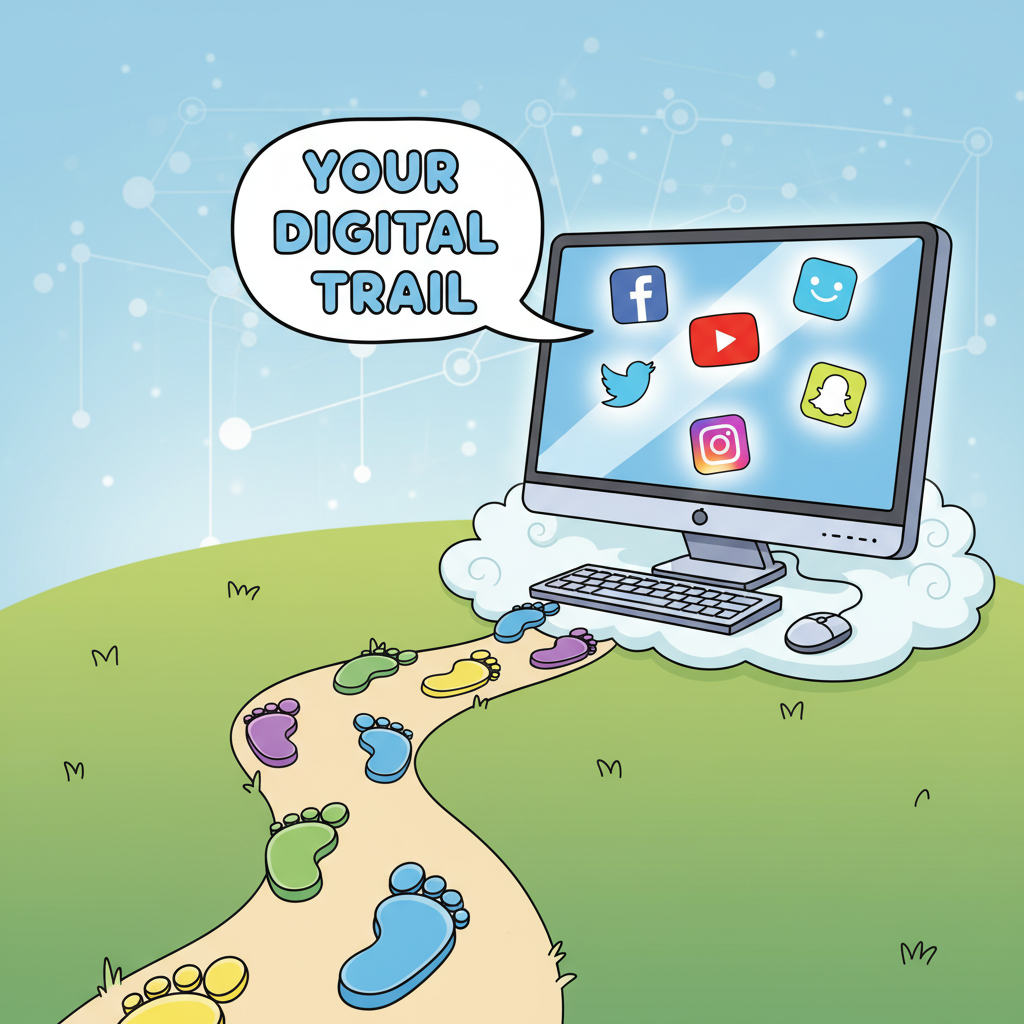
Every time you go online, you leave a trail behind you. This trail is called your "digital footprint." It's like leaving footprints in the sand – everything you do, say, or share online can be seen and saved by others, sometimes for a very long time!
Understanding Your Digital Footprint
Your digital footprint includes everything from the comments you post, the pictures you share, the websites you visit, and even the games you play. This footprint can tell a story about you to anyone who looks. That's why it's so important to make sure your footprint shows the best version of you!
- Analogy: Think of your digital footprint like a shadow that follows you online. Everything you do leaves a part of that shadow behind. You want your shadow to be a good one, not one that shows you doing silly or mean things!
Think Before You Post, Share, or Like
Because your digital footprint lasts, it's super important to pause and think before you post anything. Once something is online, it's very difficult – sometimes impossible – to completely remove it. Even if you delete it, someone might have already seen it, saved it, or shared it.
- Analogy: Posting something online is like squeezing toothpaste out of a tube. Once it's out, it's almost impossible to put it all back in! So, make sure what you post is something you're proud of.
Balance Your Screen Time
Being responsible online also means knowing when to be *offline*. Spending too much time looking at screens can make you tired, affect your eyes, and take away from other fun activities like playing outside, reading a book, or spending time with family and friends. A good digital citizen knows how to balance their online and offline time.
- Analogy: Think of screen time like eating your favorite dessert. A little bit is great, but too much can give you a tummy ache! It's all about balance.
Part 4: Dealing with Cyberbullying – Being an UPSTANDER!
Sometimes, people aren't very kind online. When someone uses technology to repeatedly tease, harass, embarrass, or target another person, it's called cyberbullying. This is never okay.
What to Do If You See or Experience Cyberbullying
- Don't Respond: It can be really hard, but often the best thing to do is not to respond to the bully. Responding can sometimes make the situation worse.
- Save the Evidence: If you can, take a screenshot or save the messages. This evidence can be helpful if an adult needs to step in.
- Block the Bully: Most websites and apps have a way to block people you don't want to hear from.
- Tell a Trusted Adult: This is the MOST important step. Show them what happened and let them help you. You don't have to deal with it alone.
- Be an Upstander: If you see someone else being cyberbullied, you can be an "upstander" by supporting the person being bullied (privately) and reporting it to an adult. Don't join in or stand by silently.
- Analogy: If you saw someone being mean to another kid on the playground, you wouldn't just watch or join in, would you? You'd probably tell a teacher or help the person being picked on. Cyberbullying is the same – you need to be brave and get help!
Conclusion: Your Digital Citizenship Journey
Being a good digital citizen means using the internet in a way that is safe, respectful, and responsible for yourself and for everyone else. It's about making smart choices, protecting your privacy, being kind to others, understanding your digital footprint, and knowing when to ask for help. The online world is a wonderful place when we all work together to make it positive and safe. Keep practicing these skills, and you'll be an amazing digital citizen!
Keep learning, free
Create a free Syllabax account to unlock practice questions and games for this topic.
Visual Learning Enhanced! 🚀
To help you master this topic, we use Advanced Syllabax AI to generate detailed diagrams and visual models.
Note on Visuals: The AI sometimes makes spelling errors in image labels. Please refer to the lesson text for the correct terminology.