Making Simple Predictions
Watch this topic in 60 seconds
Free preview · Lesson 1
Understanding Making Simple Predictions
Becoming a Prediction Pal: Guessing What Comes Next!
Hello, super smart students! Have you ever tried to guess what was going to happen next? Maybe you saw dark clouds and guessed it would rain. Or maybe you saw your mom baking a cake and guessed you’d have dessert later! When you do that, you're doing something really clever called making a prediction.
What is a Prediction?
A prediction is just your best guess about something that will happen in the future. It’s like being a friendly detective for what’s coming up! It’s not magic, and it’s not just wishing. It’s using smart clues and ideas to figure out what’s most likely to happen.
Think of it like this: Imagine your friend always brings an apple for lunch. If you see your friend walking into the classroom with a lunchbox, you might *predict* they have an apple inside! You’re not guessing randomly; you're using what you know about your friend.
Our Super Detective Tools: How We Make Predictions!
To make really good predictions, we use three special tools, just like a detective uses their magnifying glass, notebook, and super-sleuth skills! These tools help us look at what’s happening now and what happened before to guess what’s next.
Tool #1: Looking for Clues!
Clues are like little hints that tell you something important. When you see a clue, your brain starts to put pieces of a puzzle together. Just like a detective looks for footprints or fingerprints, we look for clues in our everyday world.
- Analogy: If you walk into the kitchen and see a bunch of dirty dishes in the sink, what’s your clue? The dirty dishes! What might you predict? Someone just finished eating a meal!
- Another Clue: If you hear a loud 'Moooo!' sound from outside, what's your clue? The 'Moooo!' sound! What might you predict? There's a cow nearby!
- One more Clue: If your friend is yawning a lot and rubbing their eyes, those are clues! You might predict they are feeling sleepy.
Clues are all around us, helping us understand the world and guess what might happen next!
Tool #2: Noticing Patterns!
Patterns are things that happen over and over again in the same way. When something is a pattern, it usually means it will keep happening that way. Our world is full of amazing patterns!
- Analogy: Every morning, the sun rises in the east. Every evening, it sets in the west. That’s a pattern! So, tomorrow morning, you can *predict* the sun will rise again.
- Another Pattern: If your teacher always reads a story right after lunch, that’s a pattern. So, after lunch today, you can *predict* your teacher will read a story.
- One more Pattern: If you push a light switch up, the light turns on. If you push it down, the light turns off. This is a pattern! So, the next time you push it up, you *predict* the light will turn on.
Patterns help us know what to expect because things tend to repeat themselves.
Tool #3: Remembering Past Experiences!
Past experiences are all the things that have happened to you before. Our brains are like super storage boxes for memories! When something happens to us, we learn from it. Then, we use that learning to predict what might happen in a similar situation in the future.
- Analogy: Imagine you touched a stove once when it was on, and it was hot! It didn't feel good. That’s a past experience. Now, if you see a stove top glowing red, you will *predict* it is hot again and know not to touch it. Your past experience helped you predict danger!
- Another Experience: If you gave your dog a treat every time it sat down, that’s a past experience for both you and the dog! So, if you tell your dog to 'sit,' you might *predict* it will sit, and the dog might *predict* it will get a treat!
- One more Experience: If you played a game with your friend last week and had a lot of fun, that’s a past experience. So, if your friend asks you to play the same game again, you might *predict* you’ll have fun again!
Our memories are powerful tools for making predictions because they teach us how the world works!
Why Are Predictions So Important?
Making predictions isn't just a fun game; it's a very important skill that helps us every single day!
- It helps us get ready: If you predict it might rain (clue: dark clouds!), you'll grab your umbrella or rain jacket. You're ready!
- It helps us make good choices: If you predict that running with scissors is dangerous (past experience: you've seen someone trip), you'll choose to walk carefully.
- It helps us plan: If you predict that your favorite TV show is on every Friday night (pattern!), you can plan to finish your homework before it starts.
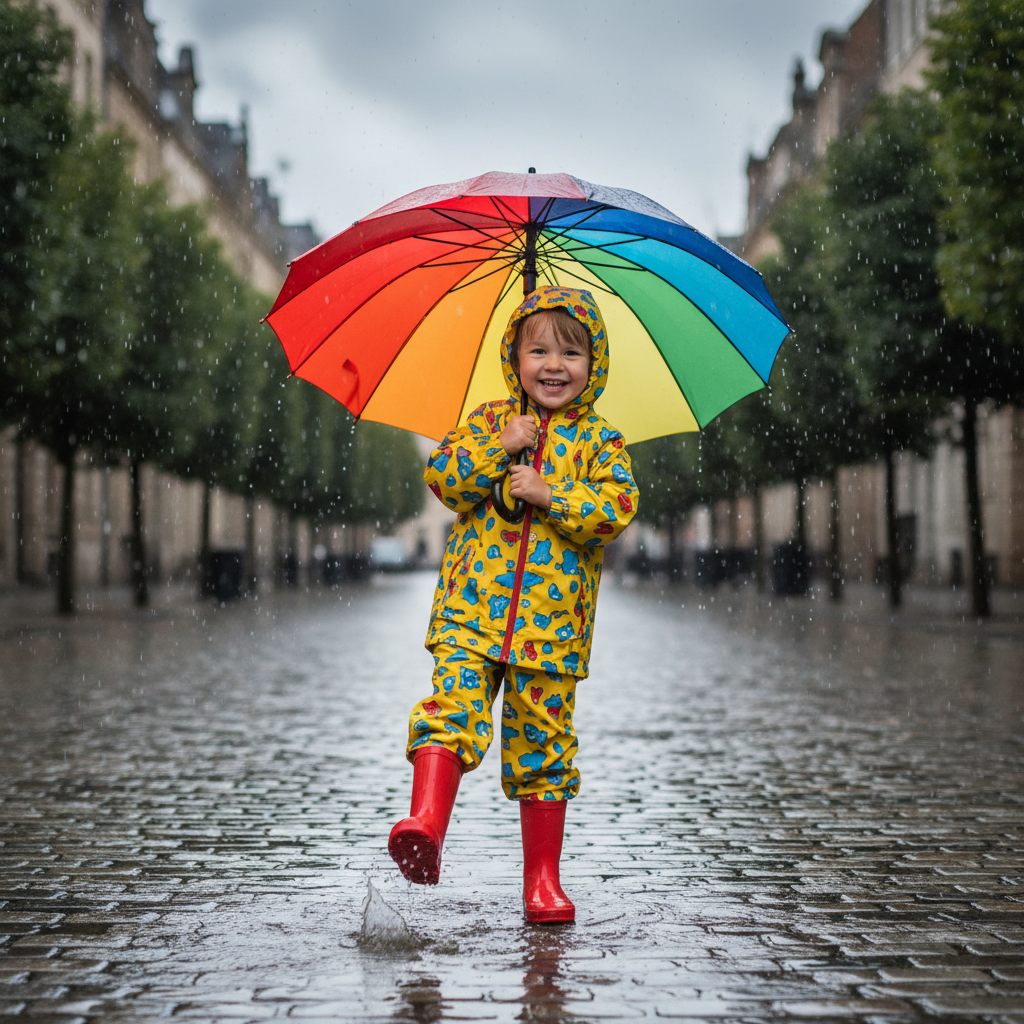 ⚠️ This picture may have spelling mistakes. Trust the words in the lesson.
Being a good prediction pal helps us be safer, smarter, and better prepared for whatever comes our way!
Let's Practice Being Prediction Pals!
Here are some quick prediction challenges:
- Challenge 1: You see a big, wrapped present with a bow. What might you predict is going to happen? (Hint: It’s probably going to be opened for a celebration!)
- Challenge 2: Every time you plant a tiny seed, a little plant grows. If you plant another seed today, what might you predict will happen? (Hint: A new plant will likely grow!)
- Challenge 3: You remember that the last time you ate too much candy, you got a stomach ache. If you think about eating a whole bag of candy right now, what might you predict will happen? (Hint: You might get another stomach ache!)
Keep Predicting!
Remember, making predictions is about using your amazing brain to look for clues, notice patterns, and remember what you've learned. You don’t have to be right every single time, but the more you practice, the better you’ll become at making smart guesses about what will happen next. You are all incredible prediction pals!
Keep learning, free
Create a free Syllabax account to unlock practice questions and games for this topic.
Visual Learning Enhanced! 🚀
To help you master this topic, we use Advanced Syllabax AI to generate detailed diagrams and visual models.
Note on Visuals: The AI sometimes makes spelling errors in image labels. Please refer to the lesson text for the correct terminology.