Sorting by size, colour, shape (Logical Thinking)
Watch this topic in 60 seconds
Free preview · Lesson 1
Understanding Sorting by size, colour, shape (Logical Thinking)
Sorting Fun! Let's Organize Our World!
Hello young learners! Imagine your toy box is a big jumble of everything – cars, dolls, blocks, balls, and crayons. It's a little messy, right? What if you wanted to find your favorite red car really quickly? It would be much easier if all the cars were together, and maybe even if all the red toys were together! That's what sorting is all about – putting things in order so they are easy to find and understand. It's like playing a fun game with your stuff!
What is Sorting?
Sorting means grouping things together based on what they have in common. Think of it like being a detective! A detective looks for clues to solve a mystery. When we sort, we look for clues like size, color, or shape to put things into groups.
Sorting by Size: Big and Small!
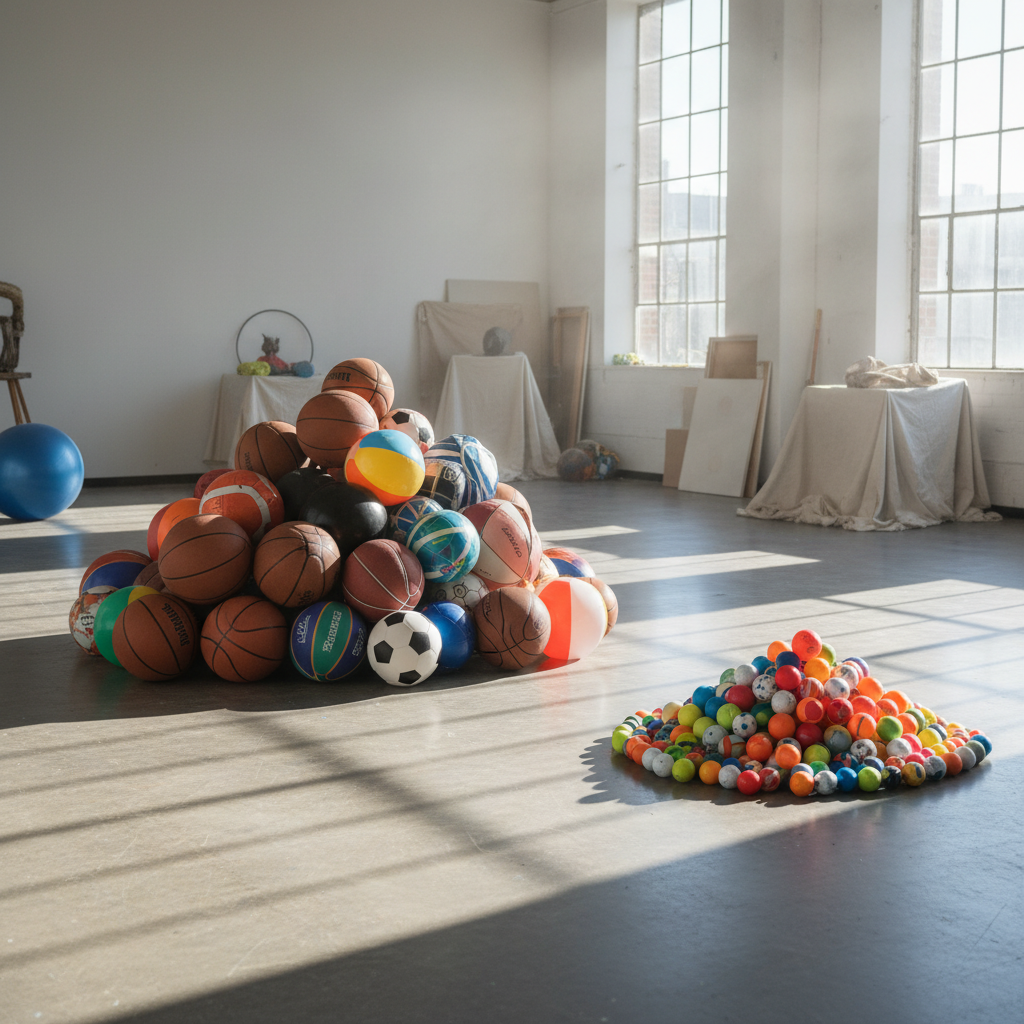
Let's start with size. Size is how big or small something is. Think about your shoes! You have big shoes for you and maybe smaller shoes for a baby or a teddy bear. We can sort toys by size. We can put all the big blocks in one pile and all the small blocks in another pile. It's like lining up your stuffed animals from the biggest one to the smallest one!
Imagine you have a collection of apples. You could put all the big, juicy apples in one basket and all the small, sweet apples in another. Or think about your crayons. You can line up your red crayons from the longest one to the shortest one. This helps us see how different things are in size!
 ⚠️ This picture may have spelling mistakes. Trust the words in the lesson.
Sorting by Color: Rainbow Power!
Next up is color! Colors are like the beautiful paints in a rainbow. We can sort things by their color. If you have a box of crayons, you can put all the blue crayons together, all the green crayons together, and all the yellow crayons together. It's like having a rainbow of crayons!
Think about your clothes. You might have a pile of red shirts, a pile of blue pants, and a pile of yellow socks. When you help your grown-up put laundry away, you are sorting by color! This makes it easy to find the outfit you want to wear. What if you wanted to draw a picture of a sunny day? You would need to sort through your yellow crayons first!
Sorting by Shape: Shapes Around Us!
Now, let's talk about shapes! Shapes are the outlines of things. Think about a circle, like a ball or a plate. Or a square, like a window or a cracker. Or a triangle, like a slice of pizza or a party hat!
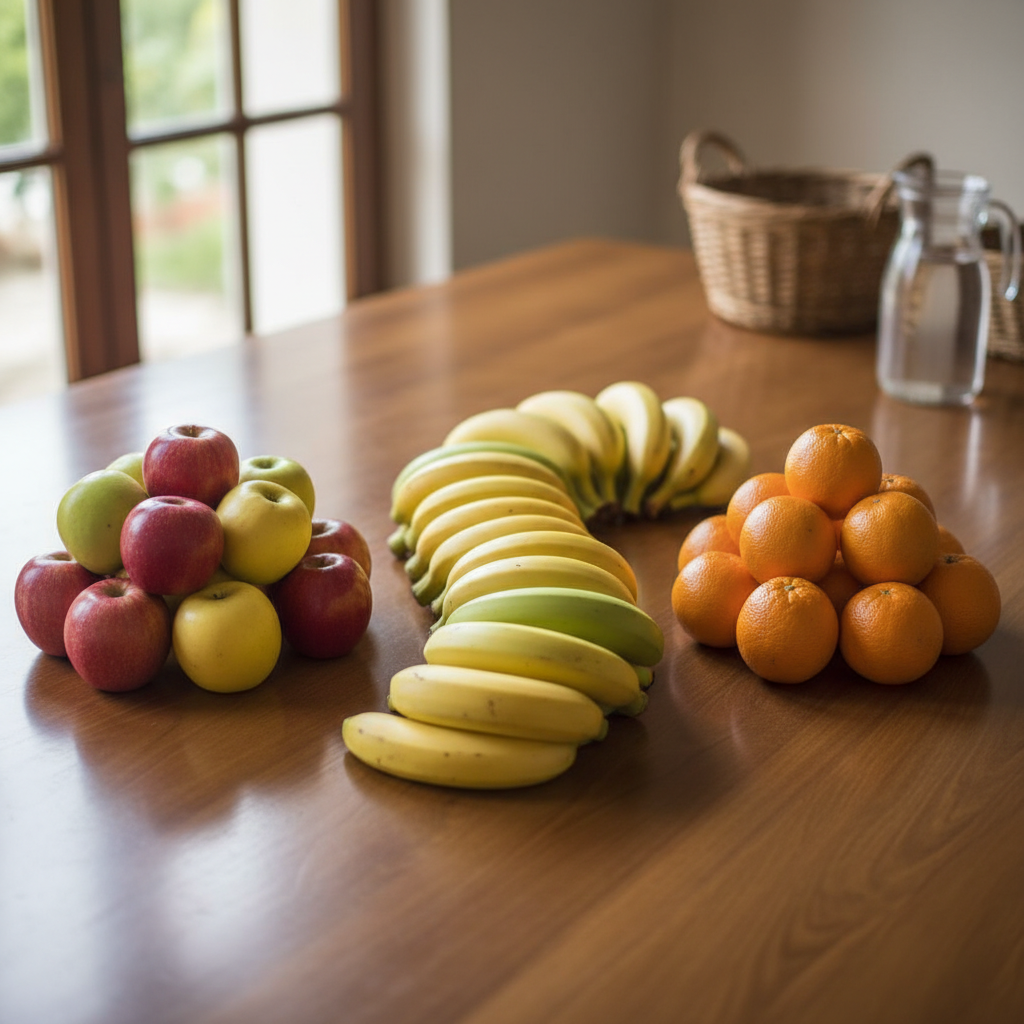
We can sort objects by their shapes. Imagine you have building blocks. You can put all the square blocks together, all the round blocks (cylinders) together, and all the triangular blocks together. It's like building a city where all the houses are square and all the wheels for cars are round! You can also sort your fruit. Apples are usually round, bananas are curved, and strawberries have a shape you can describe.
Why is Sorting Important?
Sorting helps us in many ways!
- It makes things tidy: Like cleaning your room, sorting makes spaces less messy.
- It helps us find things fast: When your toys are sorted, you can grab your favorite car without digging through everything.
- It helps us compare: When we sort by size, we can easily see which is bigger or smaller. When we sort by color, we can see all the shades of blue.
- It helps us make decisions: If you are picking out clothes, sorting by color helps you choose a matching outfit.
Sorting is a super important thinking skill that we use every day, even when we don't realize it! It's like being a super organizer for the world around you. Keep practicing your sorting skills, and you'll become a sorting master!
Keep learning, free
Create a free Syllabax account to unlock practice questions and games for this topic.
Visual Learning Enhanced! 🚀
To help you master this topic, we use Advanced Syllabax AI to generate detailed diagrams and visual models.
Note on Visuals: The AI sometimes makes spelling errors in image labels. Please refer to the lesson text for the correct terminology.