Types of soil (Soil)
Watch this topic in 60 seconds
Free preview · Lesson 1
Understanding Types of soil (Soil)
Exploring the Amazing World of Soil!
Hello, young explorers! Have you ever wondered what’s beneath your feet when you’re playing outside? It’s not just plain old dirt! It’s something super important called soil. Soil is like the skin of our Earth, and it’s full of secrets!
Think of soil as a special home for plants, tiny bugs, and even bigger creatures like worms. It’s where plants get their food and water, which helps them grow tall and strong, so they can give us yummy fruits and vegetables!
What is Soil Made Of?
Before we learn about different types, let’s quickly peek inside soil. Imagine soil is like a delicious layer cake. It’s not just one thing; it’s made up of many different ingredients!
- Tiny bits of rock: These are like the sugar crystals in your cake, giving it some texture. They can be super tiny or a bit bigger.
- Dead plants and animals (we call this 'humus'): This is like the frosting – it makes the soil rich and yummy for plants. It’s bits of old leaves, twigs, and even tiny insects that have broken down.
- Water: Just like a cake needs moisture, soil needs water to help plants drink and grow.
- Air: Believe it or not, soil has tiny pockets of air! These are like the tiny bubbles that make your cake light and fluffy. Plants and tiny creatures need this air to breathe.
All these ingredients mix together to make different kinds of soil. And just like different cake recipes make different kinds of cakes, different mixes of these ingredients make different types of soil!
The Three Main Types of Soil Superheroes!
We’re going to meet three main 'superheroes' of the soil world. Each one has its own special powers and weaknesses. Ready? Let's go!
1. Sandy Soil: The Speedy Sprinter!
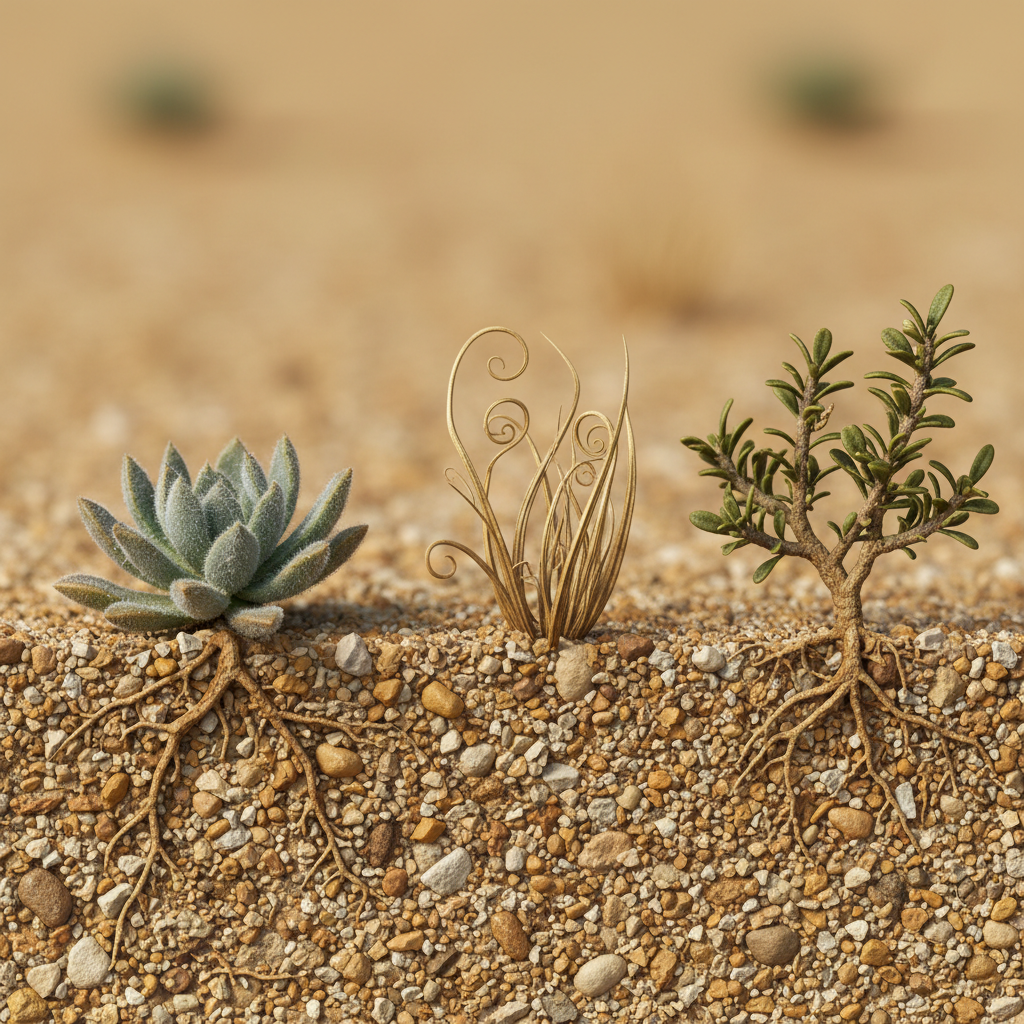
Imagine you're at the beach. What does the sand feel like? It’s usually grainy, right? That’s exactly what sandy soil feels like! It’s made of bigger, coarse (rough) particles, like tiny little pebbles.
- How it feels: Gritty, rough, like tiny sugar crystals.
- Its superpower: Drains water super fast! Think of pouring water through a colander. The water just rushes right out! Sandy soil is like that. Water doesn't hang around for long.
- Its weakness: It doesn't hold much water or nutrients (plant food) because the water runs away so quickly, taking the nutrients with it.
- Best for: Plants that don’t like a lot of water, like cacti or succulents. It’s also good for building sandcastles!
- Analogy: Sandy soil is like a sieve or a colander. Water goes right through!
2. Clay Soil: The Sticky Sculptor!
Now, imagine you’re playing with play-dough or clay. It’s smooth, sticky when wet, and you can mold it into shapes, right? That’s very similar to clay soil!
- How it feels: Smooth and sometimes slimy when wet, sticky, and can be very hard when dry. It’s made of the tiniest soil particles – much, much smaller than sand.
- Its superpower: Holds water like a super sponge! Because its particles are so tiny and packed closely together, clay soil holds onto water for a very long time. It’s like a waterproof bucket.
- Its weakness: It can hold TOO much water, making it hard for plant roots to get air. When it dries, it can become as hard as a brick, making it tough for plants to grow or for you to dig!
- Best for: Making pottery, building ponds (because it stops water from leaking!), and some plants that love lots of water.
- Analogy: Clay soil is like a super-thirsty, sticky sponge that doesn’t let go of water easily.
3. Silty Soil: The Smooth Operator!
Think about something very fine, like baby powder or very fine flour. It feels smooth and soft, but not gritty like sand, and not sticky like clay. That's what silty soil feels like!
- How it feels: Smooth, soft, like powder. Its particles are medium-sized – smaller than sand but bigger than clay.
- Its superpower: The ‘just right’ soil for many things! Silty soil is good at holding water and nutrients, but it also drains well enough so plants don’t get waterlogged. It’s often found near rivers or lakes because water carries these fine particles.
- Its weakness: Can sometimes be easily washed away by strong winds or heavy rain if there aren't enough plants to hold it in place.
- Best for: Many different kinds of plants, especially those that need a good balance of water and drainage.
- Analogy: Silty soil is like Goldilocks’ porridge – not too hot, not too cold, but just right!
The 'Super Mix' Soil: Loam!
What if you could take the best parts of sand, silt, and clay and mix them all together? You'd get loam soil! Loam is like the 'super team' of soils.
- How it feels: Crumbly, soft, and feels healthy. It's a perfect balance.
- Its superpower: The best of all worlds! Loam has enough sand to drain well, enough clay to hold water and nutrients, and enough silt to give it that smooth, rich texture. It also usually has lots of humus (rotting leaves and bugs), making it super fertile.
- Best for: Almost all garden plants, farmers, and happy earthworms! It’s often called 'gardeners’ gold' because it's so good for growing things.
- Analogy: Loam is like the perfect recipe, with just the right amount of all the best ingredients.
Why Do Different Soils Matter?
Knowing about different types of soil is really important!
- For plants: Some plants love lots of water, so they like clay soil. Others need to dry out quickly, so sandy soil is best for them. Most garden plants thrive in loam because it offers the perfect balance.
- For construction: You wouldn't build a house on very loose sand or super sticky clay without special foundations!
- For farmers: Farmers need to know their soil to decide what crops to plant and how much water to give them.
Time to Be a Soil Detective!
The next time you’re outside, try picking up some soil. Rub it between your fingers. Does it feel gritty, smooth, or sticky? Does it crumble easily? You might be able to tell what kind of soil it is just by feeling it!
Remember, soil is alive and precious. It helps feed us, build our homes, and keeps our planet healthy. So, let’s take good care of it!
Keep learning, free
Create a free Syllabax account to unlock practice questions and games for this topic.
Visual Learning Enhanced! 🚀
To help you master this topic, we use Advanced Syllabax AI to generate detailed diagrams and visual models.
Note on Visuals: The AI sometimes makes spelling errors in image labels. Please refer to the lesson text for the correct terminology.