Waste Management & Recycling – Environment & Ecology
Watch this topic in 60 seconds
Free preview · Lesson 1
Waste Management & Recycling – Environment & Ecology (Foundational)
Waste Management & Recycling: Environment & Ecology (Foundational)
Hey there, future environmental champions! Let's learn about something super important: waste management and recycling. It's all about keeping our planet healthy and happy!
What is Waste?
- Waste is anything we don't need anymore and throw away. This includes food scraps, paper, plastic, and a whole lot more!
- Waste can be harmful to the environment if it's not handled properly.
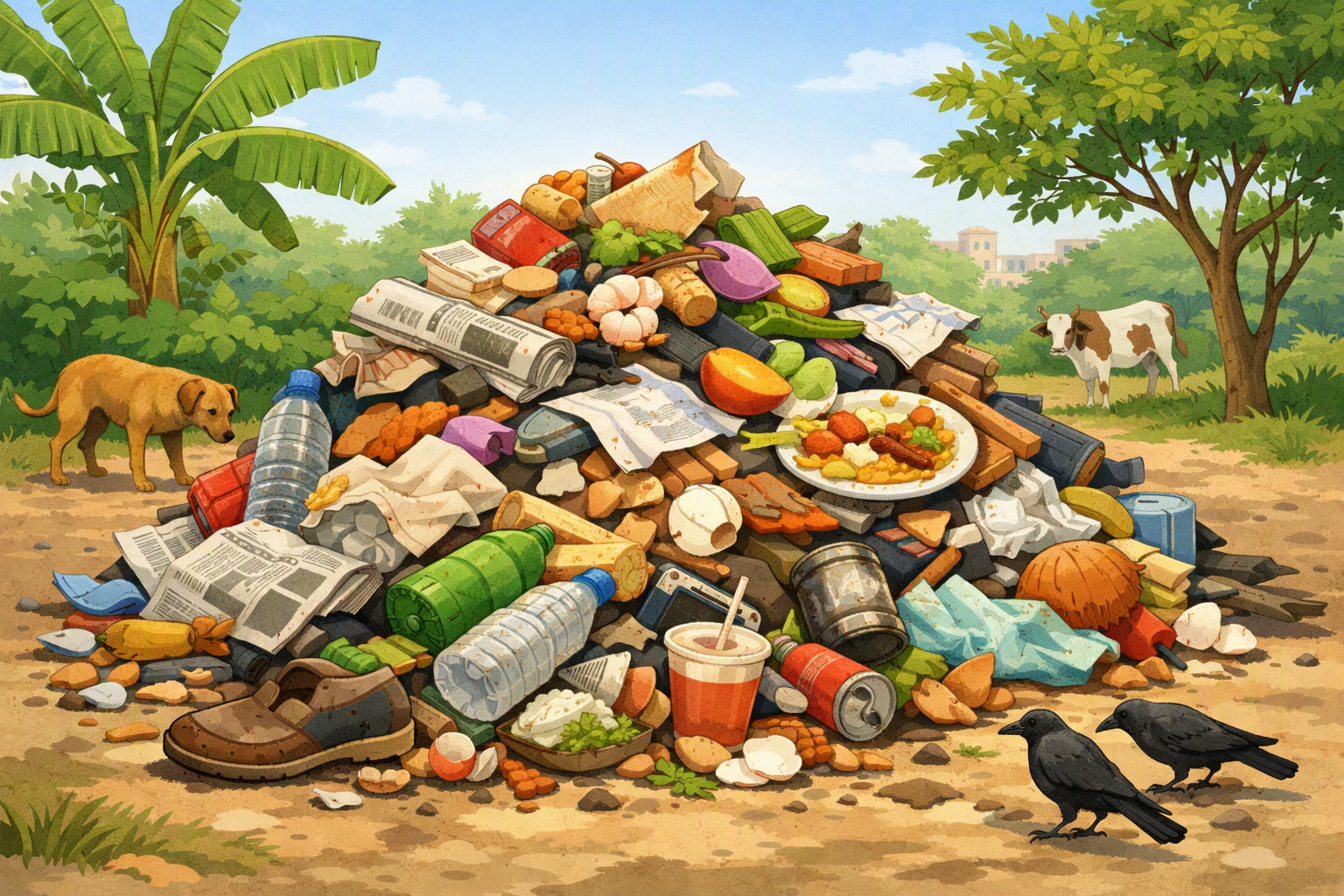
Why is Waste Management Important?
- Waste Management is how we collect, process, and get rid of waste.
- It's important because too much waste can pollute our air, water, and land. Yuck!
- Proper waste management helps keep our communities clean and healthy.
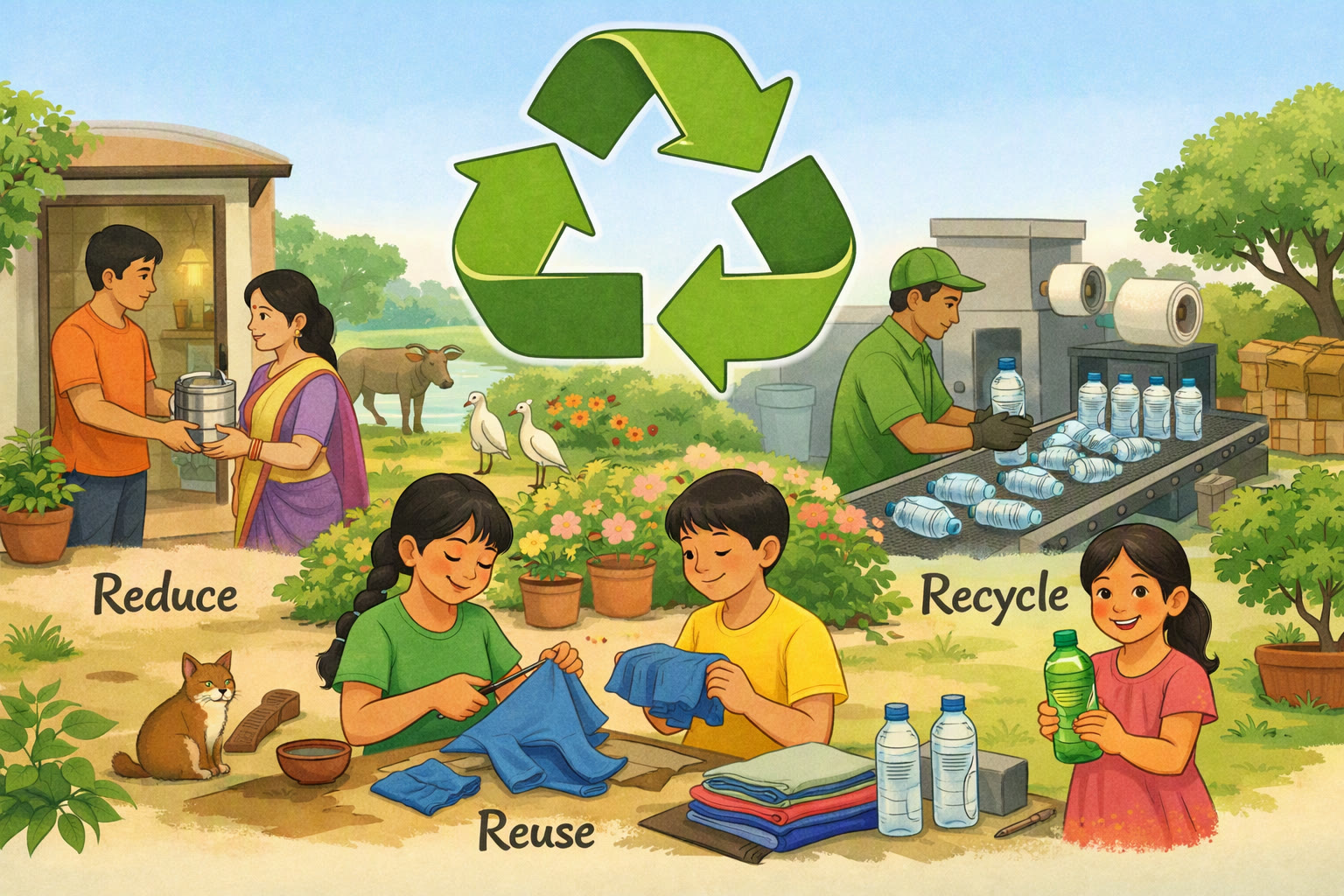
Reduce, Reuse, Recycle!
These are the three main steps to managing waste effectively:
- Reduce: Use less stuff! For example, bring your own reusable water bottle instead of buying plastic ones.
- Reuse: Find new ways to use old items. Turn an old t-shirt into cleaning rags.
- Recycle: Convert waste materials into new products. Plastic bottles can be recycled into new bottles or even clothing!
What is Recycling?
- Recycling is when we take old materials, like paper, glass, plastic, and metal, and turn them into new things.
- Recycling saves energy and natural resources, like trees and water.
- Most communities have recycling programs. Look for the recycling symbol on items you use!
Composting
- Composting is a way to recycle food scraps and yard waste.
- When food scraps and leaves break down, they turn into a rich soil called compost, which can help plants grow!
Keep learning, free
Create a free Syllabax account to unlock practice questions and games for this topic.
Visual Learning Enhanced! 🚀
To help you master this topic, we use Advanced Syllabax AI to generate detailed diagrams and visual models.
Note on Visuals: The AI sometimes makes spelling errors in image labels. Please refer to the lesson text for the correct terminology.