Energy flow[BIOLOGY]
Watch this topic in 60 seconds
Free preview · Lesson 1
Understanding Energy flow[BIOLOGY]
Energy Flow in Ecosystems: The Great Energy Race!
Imagine our planet Earth as a giant, bustling city. Just like any city needs a constant supply of electricity to keep everything running – the lights on, the cars moving, the factories working – ecosystems also need energy to thrive! In biology, when we talk about energy flow, we're talking about how energy moves through all the living things (and even the non-living parts) in a particular area, like a forest, a pond, or a desert. It's like the amazing journey of a dollar bill being passed from person to person in a community, but instead of money, it's energy!
What is Energy? The Spark of Life!
Before we talk about energy flow, let's remember what energy is. Energy is the ability to do work. Think of it as the 'oomph' or the 'power' that makes things happen. It's what allows a plant to grow, a rabbit to hop, a hawk to soar, and even a tiny bacterium to divide. Energy exists in many forms: light energy from the sun, chemical energy stored in food, heat energy, mechanical energy, and more. In ecosystems, the ultimate source of almost all energy is the **sun**.
Where Does the Energy Come From? The Sun: Earth's Giant Power Plant!
The sun is like the ultimate power plant for our planet. It beams down light energy, and special organisms in ecosystems have figured out how to capture this light energy and turn it into food. These are the producers.
Producers: The Master Chefs of Energy!
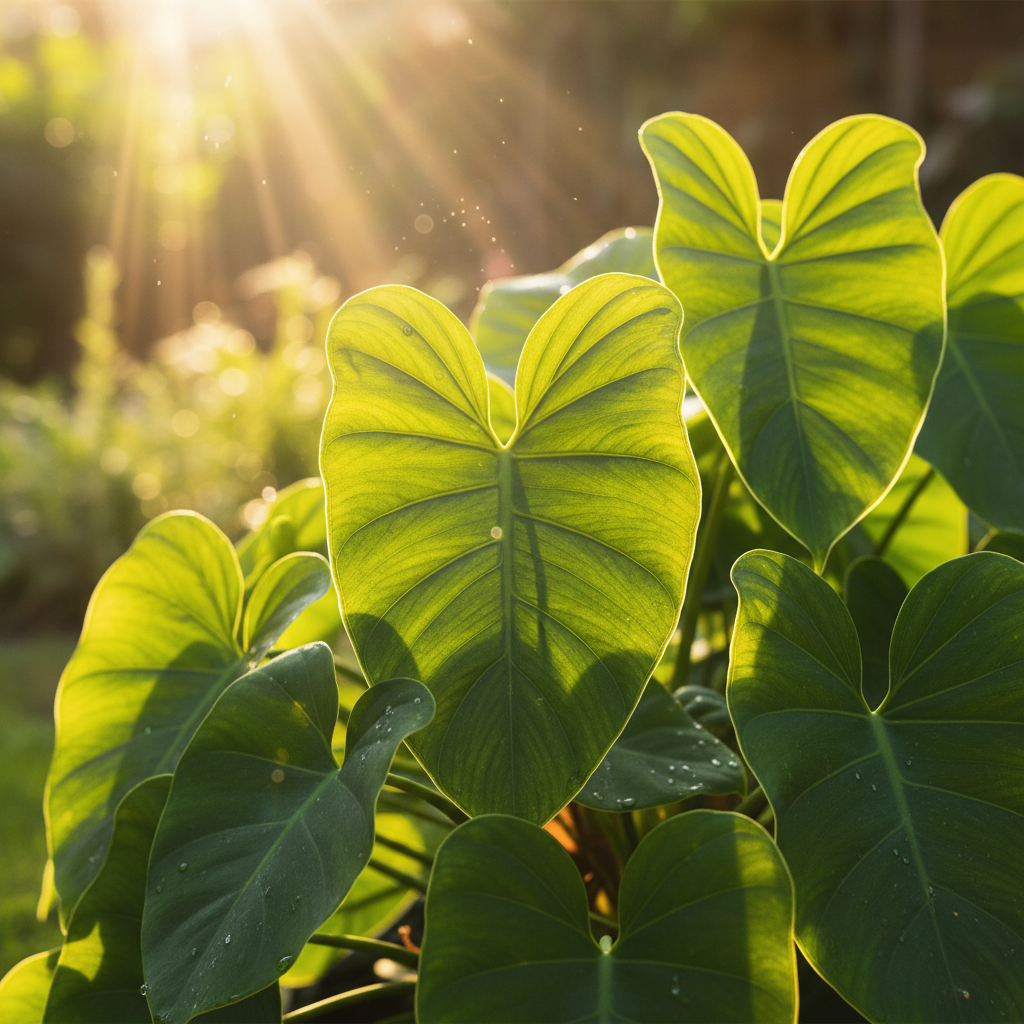
Producers are organisms that make their own food, usually using sunlight. Think of them as the chefs in our ecosystem city. The most common producers are plants, algae (tiny organisms in water), and some bacteria. They use a process called photosynthesis. Photosynthesis is like a magical recipe where plants take sunlight, water, and carbon dioxide from the air to cook up sugary food (glucose) and release oxygen. This is the first step in getting energy into the food chain. They are the foundation, the grocery stores, the farms of our ecosystem!
Consumers: The Energy Eaters!
Once the producers have made their food and stored energy, other organisms come along and eat them to get that energy. These are called consumers. They can't make their own food, so they have to 'consume' it by eating other living things. Think of them as the customers in our ecosystem city, buying food from the grocery stores (producers) or from other customers!
Types of Consumers: A Delicious Hierarchy!
- Herbivores (Primary Consumers): These are the 'plant-eaters'. They eat producers directly. Think of a rabbit munching on grass, or a deer nibbling on leaves. They are the first level of customers.
- Carnivores (Secondary Consumers): These are the 'meat-eaters'. They eat herbivores. Imagine a fox catching a rabbit, or a snake eating a mouse. They are customers who buy from other customers.
- Carnivores (Tertiary Consumers): These are carnivores that eat other carnivores. Think of an eagle catching a snake, or a lion hunting a hyena. They are the customers who buy from the customers who bought from the initial customers!
- Omnivores: These are organisms that eat both plants and animals. Bears are a great example, happily munching on berries (producer) and then catching a fish (consumer). They are the very flexible customers who will buy from any available stall!
Decomposers: The Unsung Heroes of Recycling!
What happens when plants and animals die? Do all that energy just disappear? No way! That's where decomposers come in. Think of them as the recycling crew and waste management team of our ecosystem city. They are like bacteria and fungi that break down dead organisms and waste products (like fallen leaves or animal droppings). As they break these things down, they release the energy and nutrients back into the soil and air, making them available for the producers to use again. This is super important because it keeps the cycle of energy and nutrients going!
Food Chains and Food Webs: The Energy Map!
How do we show this flow of energy? We use food chains and food webs.
Food Chains: A Simple Path of Energy
A food chain is like a single, straight line showing who eats whom. It starts with a producer and goes up through different levels of consumers. For example:
Grass (Producer) → Grasshopper (Primary Consumer) → Frog (Secondary Consumer) → Snake (Tertiary Consumer)
In this chain, the energy from the sun is captured by the grass. The grasshopper gets that energy by eating the grass. The frog gets energy by eating the grasshopper, and the snake gets energy by eating the frog. It's a direct line of energy transfer.
Food Webs: The Complex Network of Energy
In reality, ecosystems are much more complicated than a single food chain. Most animals eat more than one type of food, and many animals are eaten by more than one predator. A food web is like a map showing all the interconnected food chains in an ecosystem. It's a much more realistic picture of how energy flows. Imagine many food chains tangled together, showing all the different paths energy can take.
For example, a rabbit might eat grass, but it might also eat clover. A fox might eat a rabbit, but it might also eat a mouse that ate seeds. This creates a complex web where energy has many routes to travel.
Energy Transfer: It's Not 100% Efficient!
Here's a really important concept: when energy is transferred from one organism to another (like from grass to a grasshopper), not all of the energy makes it. A lot of energy is lost at each step, mostly as **heat**. Think of it like trying to pass a bucket of water through a series of sieves – some water will always spill out.
Scientists have found that only about **10%** of the energy from one level of the food chain is transferred to the next level. The rest is used by the organism for its own life processes (like moving, growing, reproducing) and is released as heat. This is called the 10% rule. This means that the higher up you go in a food chain, the less energy is available.
Because of this energy loss, there are usually fewer organisms at higher levels of the food chain. You'll find lots of grass (producers), fewer rabbits (primary consumers), even fewer foxes (secondary consumers), and very few wolves (tertiary consumers) in an ecosystem. This creates a pyramid shape, called an energy pyramid.
Why is Energy Flow Important? Keeping the Ecosystem Alive!
Understanding energy flow is crucial because it explains how ecosystems are structured and how they function. It shows us how much life an ecosystem can support, how different organisms depend on each other, and how changes in one part of the system can affect everything else. It's the fundamental engine that drives all life on Earth!
Keep learning, free
Create a free Syllabax account to unlock practice questions and games for this topic.
Visual Learning Enhanced! 🚀
To help you master this topic, we use Advanced Syllabax AI to generate detailed diagrams and visual models.
Note on Visuals: The AI sometimes makes spelling errors in image labels. Please refer to the lesson text for the correct terminology.