Finding Most and Least
Watch this topic in 60 seconds
Free preview · Lesson 1
Understanding Finding Most and Least
Welcome to the World of 'Most' and 'Least'!
Hello, young learners! Today, we're going on an exciting adventure to discover something super important in math and in our everyday lives: how to find the most and the least. These words help us compare things and understand which group has more and which group has less. It's like being a detective, looking for clues to find the biggest or the smallest!
What Does 'Most' Mean?
Imagine you have a big pile of your favorite candies. If you have the 'most' candies, it means you have the biggest amount! It's the largest number, the biggest pile, or the greatest quantity of something. Think of it like this:
- If you have 5 apples and your friend has 3 apples, you have the most apples because 5 is a bigger number than 3.
- If there are three baskets of toys, and one basket has 10 toys, another has 7 toys, and the last one has 12 toys, the basket with 12 toys has the most toys. It's the biggest group!
- Analogy Time! Imagine a tall stack of pancakes. The tallest stack has the most pancakes. Or think about a giant cookie jar; the jar with the most cookies is the one overflowing!
When you hear 'most', think 'biggest number', 'largest amount', or 'greatest quantity'.
What Does 'Least' Mean?
Now, let's think about the opposite. If 'most' means the biggest amount, then 'least' means the smallest amount! It's the smallest number, the tiny pile, or the lowest quantity of something. Let's look at some examples:
- If you have 5 apples and your friend has 3 apples, your friend has the least apples because 3 is a smaller number than 5.
- Using our toy basket example again: if one basket has 10 toys, another has 7 toys, and the last one has 12 toys, the basket with 7 toys has the least toys. It's the smallest group.
- Analogy Time! Remember the pancake stacks? The shortest stack has the least pancakes. Or think about a cookie jar that's almost empty; that jar has the least cookies.
When you hear 'least', think 'smallest number', 'tiniest amount', or 'lowest quantity'.
How Do We Find the Most or Least?
Finding the most or least is all about comparing! Here's how you can be a super detective:
- Look at All the Numbers: First, gather all the numbers or quantities you need to compare.
- Compare Them One by One (or all at once!):
- To Find the MOST: Look for the number that is bigger than all the others.
- To Find the LEAST: Look for the number that is smaller than all the others.
- Count if You Need To: If the numbers are close, or if you're comparing groups of objects, sometimes counting helps!
Let's Try an Example!
Imagine you have four friends, and each friend has a different number of stickers:
- Friend A has 15 stickers.
- Friend B has 23 stickers.
- Friend C has 9 stickers.
- Friend D has 18 stickers.
Which friend has the most stickers? We look for the biggest number: 15, 23, 9, 18. The biggest number is 23, so Friend B has the most stickers!
Which friend has the least stickers? We look for the smallest number: 15, 23, 9, 18. The smallest number is 9, so Friend C has the least stickers!
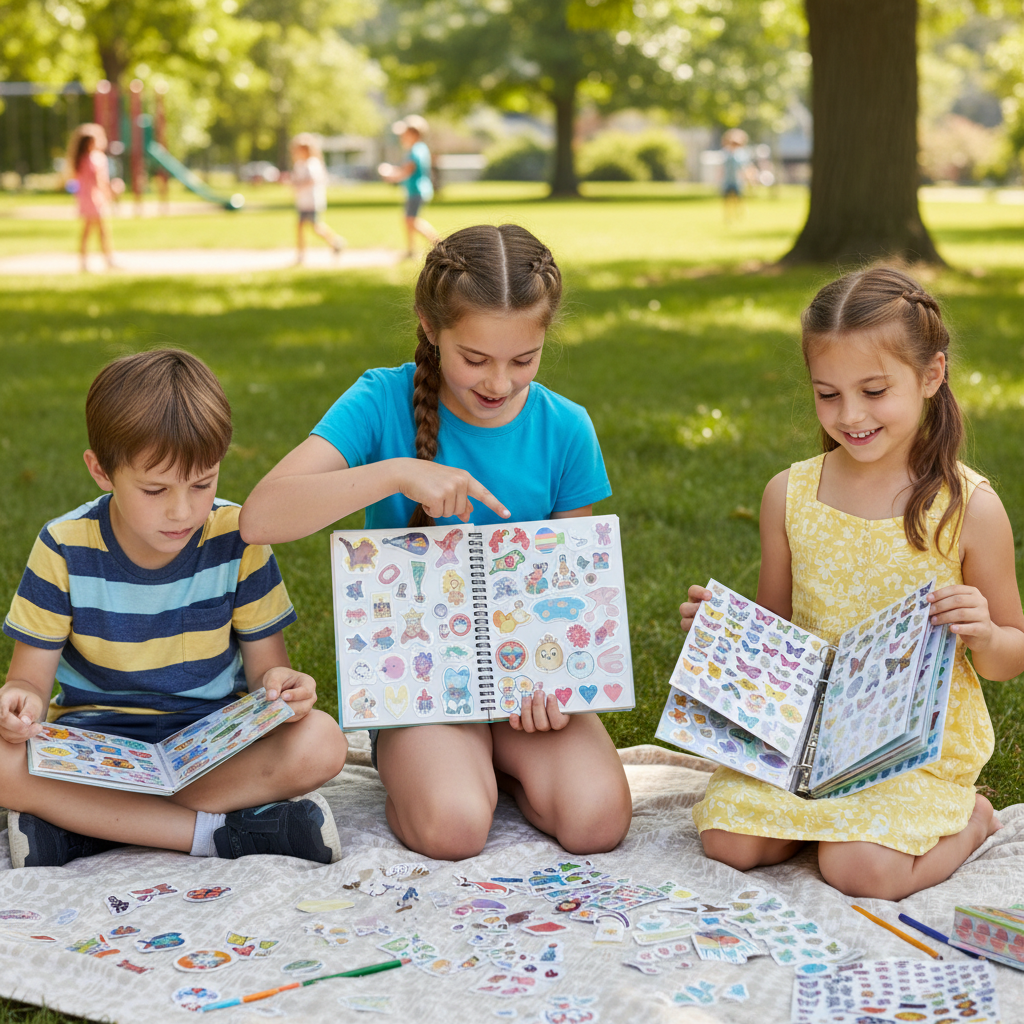 ⚠️ This picture may have spelling mistakes. Trust the words in the lesson.
Why is 'Most' and 'Least' Important?
Knowing about 'most' and 'least' helps us every single day! Here are some ways:
- Sharing: If you want to make sure everyone gets the least amount of candy (so you have the most!), or if you want to make sure everyone gets the most amount of pizza (so no one has the least!).
- Shopping: Which toy costs the most? Which fruit costs the least?
- Games: Who has the most points in a game? Who has the least cards left?
- Understanding the World: Which animal is the biggest (most mass)? Which is the smallest (least mass)?
It's a super useful skill that helps you understand comparisons and make choices!
Remember These Simple Ideas:
- Most: The biggest, largest, greatest amount.
- Least: The smallest, tiniest, lowest amount.
- To find them, just compare the numbers or amounts you have!
Great job, detectives! You've learned how to spot the 'most' and the 'least' like a pro!
Keep learning, free
Create a free Syllabax account to unlock practice questions and games for this topic.
Visual Learning Enhanced! 🚀
To help you master this topic, we use Advanced Syllabax AI to generate detailed diagrams and visual models.
Note on Visuals: The AI sometimes makes spelling errors in image labels. Please refer to the lesson text for the correct terminology.