Learning Journey
Watch this topic in 60 seconds
Free preview · Lesson 1
Understanding Parts of plants (Plants)
Exploring the Wonderful World of Plants!
Hello young explorers! Have you ever looked closely at a plant? Maybe a tall tree, a colorful flower, or even a small bush in your backyard? Plants are amazing living things, and they are everywhere! They give us fresh air to breathe, delicious food to eat, and beautiful sights to enjoy. But how do they do all of this? Just like you have different body parts that do different jobs (like your legs for running and your hands for holding), plants also have different parts, and each part has a very special job!
Meet the Main Characters: The Parts of a Plant!
Think of a plant as a team, and each part is a super important player. Let's meet our team members!
1. Roots: The Plant's Anchor and Straw!
Imagine you're building a tall sandcastle on the beach. You need a strong base, right? That's what roots are for a plant! Most roots grow under the ground, out of sight. They are like the plant's anchor, holding it firmly in the soil so it doesn't fall over when the wind blows or when someone bumps into it.
But roots do even more! Think about when you're thirsty and you drink water with a straw. Roots are like the plant's straws! They suck up water and important nutrients (which are like vitamins for plants) from the soil. Without roots, a plant wouldn't be able to get the water and food it needs to grow big and strong. Some roots, like carrots and radishes, even store extra food for the plant!
2. Stem: The Plant's Super Highway and Backbone!
Now, let's talk about the stem. This is usually the part of the plant that stands tall above the ground. If roots are the anchor, the stem is like the plant's backbone. It holds up all the other parts, like the leaves, flowers, and fruits, helping them reach for the sunshine!
But the stem isn't just a support beam. It's also like a super highway or an elevator for the plant! Remember how the roots suck up water and nutrients? Well, the stem has tiny tubes inside it that act like pipes, carrying that water and those nutrients from the roots all the way up to the leaves and flowers. It also carries the food made in the leaves to other parts of the plant. Some stems, like celery stalks, are even crunchy and delicious to eat!
3. Leaves: The Plant's Kitchen and Solar Panels!
Look at a leaf. Most leaves are green and flat. They might not look like they're doing much, but leaves are incredibly busy! They are like the plant's kitchen, where all the food is made. How do they do it?
Leaves have a special green stuff inside them called chlorophyll (say: KLOR-oh-fill). This chlorophyll helps the leaves capture sunlight, just like a solar panel captures energy from the sun! Using sunlight, water (from the roots), and a gas from the air called carbon dioxide (the gas we breathe out), leaves make sugar, which is the plant's food. This amazing process is called photosynthesis (say: FOH-toh-SIN-thuh-sis), which means "making things with light." And as a bonus, when plants make food, they also release fresh oxygen into the air for us to breathe! Isn't that neat?
4. Flowers: The Plant's Baby Factory!
Who doesn't love a beautiful flower? Flowers come in so many different colors, shapes, and sizes! They might smell sweet, too. But flowers aren't just pretty faces; they have a super important job: they are the plant's baby factory! This is where the plant makes its seeds, which will grow into new plants.
Flowers often have brightly colored petals and sweet nectar to attract insects like bees and butterflies, or even birds. These visitors help move pollen from one flower to another, a process called pollination. Think of it like a tiny delivery service for the plant's "baby-making" ingredients!
5. Fruits: The Plant's Seed Protector and Snack!
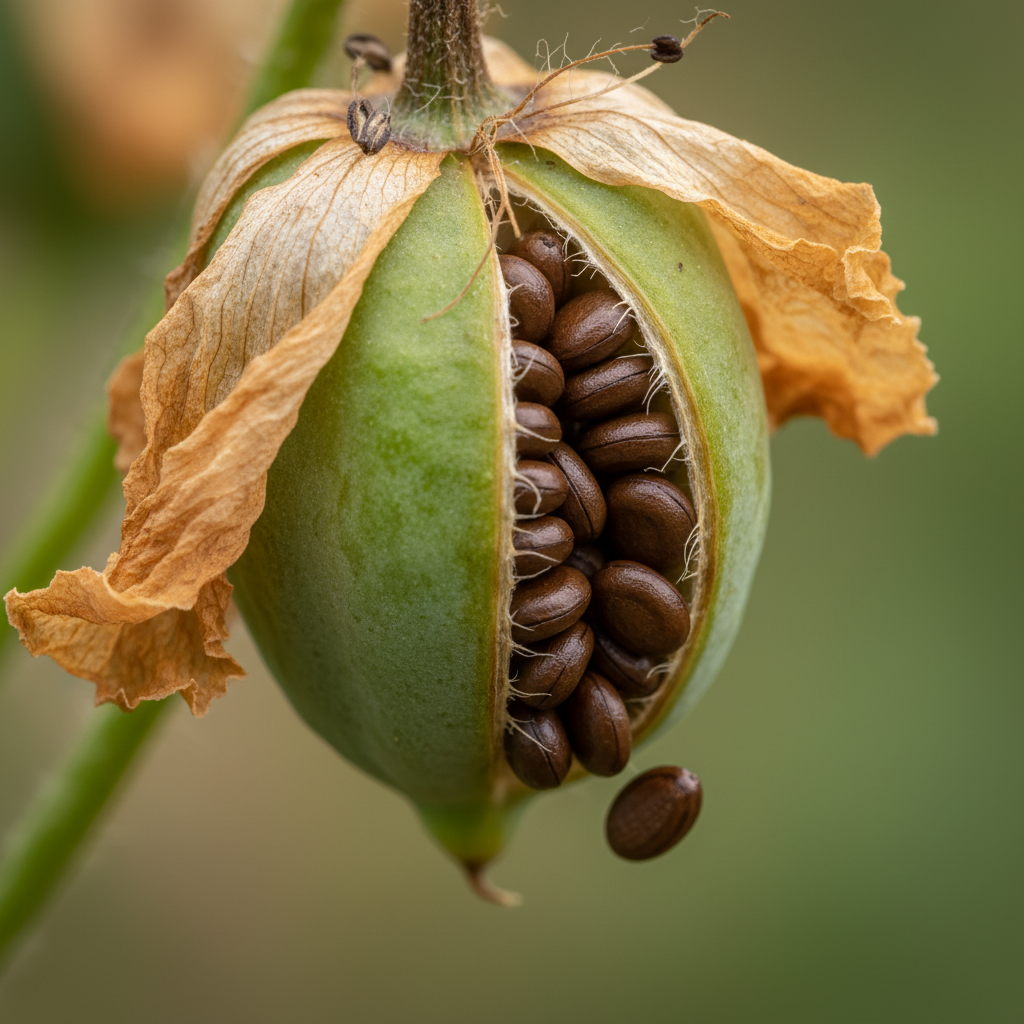
After a flower has been pollinated, something amazing happens! The flower starts to change and grow into a fruit. Yes, things like apples, oranges, tomatoes, and even cucumbers are all fruits! Fruits have a very important job: they are like the plant's seed protector, keeping the seeds safe and cozy inside.
Fruits are also often delicious! When animals or humans eat the fruit, they might drop the seeds somewhere else. This helps the plant spread its seeds to new places, almost like giving its babies a ride to a new home where they can grow. So, fruits are like a snack and a travel agent for seeds!
6. Seeds: The Plant's Tiny Time Capsules!
Inside most fruits, you'll find seeds. A seed is like a tiny time capsule! It contains a baby plant (called an embryo) and some stored food, all wrapped up in a protective coat. When a seed finds the right conditions – enough warmth, water, and sunlight – it can sprout and grow into a brand new plant! It's truly magical to watch a tiny seed become a big plant, repeating the life cycle all over again.
 ⚠️ This picture may have spelling mistakes. Trust the words in the lesson.
Putting It All Together!
So, you see, every part of the plant works together as a team! The roots hold the plant, drink water, and get nutrients. The stem lifts everything up and carries water and food around. The leaves make the food using sunlight. The flowers make seeds. The fruits protect the seeds and help them travel. And the seeds are ready to grow into new plants! Together, they help the plant live, grow, and make more plants for our amazing world.
Next time you see a plant, take a moment to appreciate all the hard work its different parts are doing!
Keep learning, free
Create a free Syllabax account to unlock practice questions and games for this topic.
Visual Learning Enhanced! 🚀
To help you master this topic, we use Advanced Syllabax AI to generate detailed diagrams and visual models.
Note on Visuals: The AI sometimes makes spelling errors in image labels. Please refer to the lesson text for the correct terminology.