Feeding habits (simple intro) (Animals)
Watch this topic in 60 seconds
Free preview · Lesson 1
Understanding Feeding habits (simple intro) (Animals)
Animal Meals: A Peek into Feeding Habits!
Hello, young explorers! Have you ever wondered why animals eat different things? Just like you need breakfast, lunch, and dinner to play and learn, animals need food too! Food gives them the energy to run, jump, swim, and grow big and strong. But not all animals eat the same things. It's like how some kids love broccoli, and others love pizza! Animals have special 'feeding habits' – that's just a fancy way of saying what they like to eat and how they get their food.
Why Do Animals Eat? The Energy Secret!
Imagine your favorite toy car needs batteries to zoom around. Well, animals need food as their 'batteries'! Food gives them energy to move, keep warm, and even grow. Without food, animals wouldn't have the power to do anything fun or important.
The Big Three: Herbivores, Carnivores, and Omnivores!
We can sort animals into three main groups based on what they eat. Think of it like sorting your toys into categories: cars, dolls, and blocks. Our animal food groups are Herbivores, Carnivores, and Omnivores!
1. Herbivores: The Plant Lovers! 🌿
Meet the herbivores! These are animals that eat only plants. Think of them as the 'veggie lovers' of the animal kingdom. They munch on grass, leaves, fruits, and even tree bark. They never eat meat!
- Imagine: A cow happily chewing grass in a field, or a giraffe stretching its long neck to nibble on leaves from a tall tree. They are like you when you eat a big, yummy salad!
- Examples: Cows, rabbits, deer, elephants, giraffes, sheep, and butterflies are all herbivores.
- Special Tools: Many herbivores have flat, wide teeth, almost like little grinding stones, perfect for mashing up tough plants.
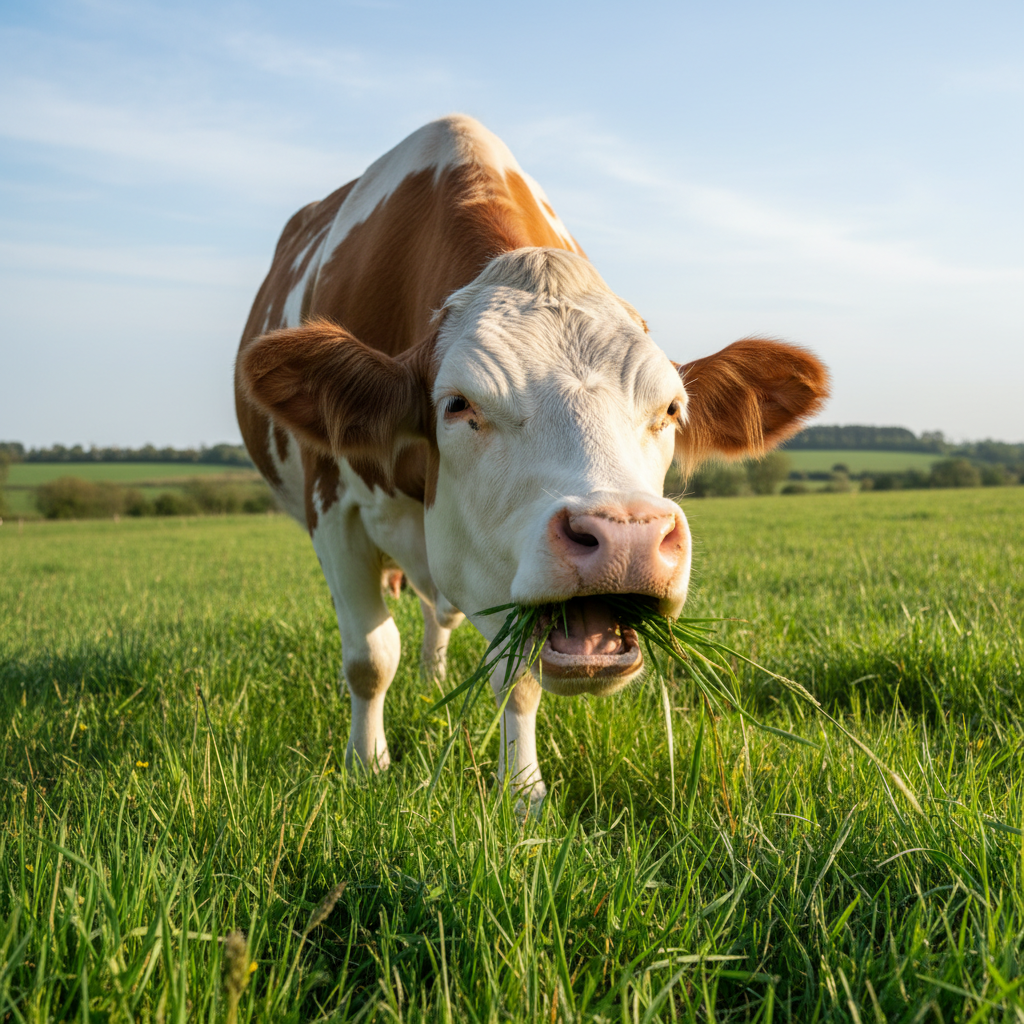 ⚠️ This picture may have spelling mistakes. Trust the words in the lesson.
2. Carnivores: The Meat Eaters! 🥩
Next up are the carnivores! These animals eat only other animals. They are the hunters and fishers of the animal world, always looking for a meaty meal.
- Imagine: A mighty lion chasing a zebra across the plains, or a shark swimming fast to catch a fish. They are like you if you only ever ate chicken nuggets or hamburgers (but remember, animals hunt their food!).
- Examples: Lions, tigers, wolves, sharks, eagles, snakes, and polar bears are great examples of carnivores.
- Special Tools: Carnivores usually have very sharp teeth (like tiny daggers!) and strong claws to help them catch and tear apart their prey. Some have amazing speed or stealth to hunt.
3. Omnivores: The Everything Eaters! 🍎🍗
And finally, we have the omnivores! These clever animals eat both plants and animals. They are like the 'food adventurers' who enjoy a little bit of everything!
- Imagine: A bear munching on berries from a bush, and then later catching a fish from a river. Or a chicken pecking at seeds and then chasing after a tiny bug. They are like you and me! We eat fruits and vegetables (plants) and also chicken, fish, or beef (animals).
- Examples: Humans (that's us!), bears, raccoons, chickens, pigs, and even some types of birds are omnivores.
- Special Tools: Omnivores have a mix of teeth – some sharp ones for tearing meat and some flatter ones for grinding plants. They are ready for any meal!
Why Are Feeding Habits Important?
Understanding what animals eat helps us learn so much about nature! It helps us understand food chains (who eats whom) and how all living things are connected. It's like a big puzzle, and each animal's feeding habit is an important piece!
Let's Review!
- Herbivores: Eat ONLY plants. (Think cows and grass)
- Carnivores: Eat ONLY other animals. (Think lions and zebras)
- Omnivores: Eat BOTH plants and animals. (Think bears and humans)
So, the next time you see an animal, try to guess if it's a herbivore, a carnivore, or an omnivore by thinking about what kind of 'food battery' it needs!
Keep learning, free
Create a free Syllabax account to unlock practice questions and games for this topic.
Visual Learning Enhanced! 🚀
To help you master this topic, we use Advanced Syllabax AI to generate detailed diagrams and visual models.
Note on Visuals: The AI sometimes makes spelling errors in image labels. Please refer to the lesson text for the correct terminology.