Time planning (school schedule) (Real-Life Math)
Watch this topic in 60 seconds
Free preview · Lesson 1
Understanding Time planning (school schedule) (Real-Life Math)
Mastering Your School Day: A Fun Guide to Time Planning!
Hey Super Students! Have you ever felt like there just aren't enough hours in the day? Or maybe you've rushed to finish your homework right before bedtime? Welcome to the exciting world of time planning, where we learn how to make every minute count, especially during our school days! Think of time planning like being the captain of your own ship. You decide where your ship (your day!) sails and when, making sure you reach all your important destinations.
What is Time Planning?
Time planning is simply deciding what you will do and when you will do it. It's like making a secret map for your day! Instead of just letting the hours drift by, you're actively deciding where they should go. For example, instead of saying, "I'll do homework sometime," time planning helps you say, "I'll do my math homework right after snack time." It's all about being organized and in control!
Why is Planning Our School Schedule Important?
Imagine trying to build a LEGO castle without instructions. It might be messy and not turn out how you imagined! Your school schedule is a bit like those LEGO instructions for your day. Planning it helps you:
- Stay Organized: Knowing what comes next stops you from feeling lost or confused. It's like having a clear path to follow.
- Get Everything Done: When you plan, you make sure there's time for important things like learning, playing, eating, and resting. No more forgetting homework!
- Reduce Stress: Rushing and forgetting things can make you feel worried. Planning your time makes your day feel calmer and more in control. It’s like taking a deep breath before a test.
- Have More Fun! When you finish your tasks on time, you have extra time for playing, hobbies, or spending time with family and friends. It’s like earning extra playtime!
Understanding the Clock and Calendar
To plan your time, we need to understand our tools: the clock and the calendar.
The Clock: Your Minute-by-Minute Guide
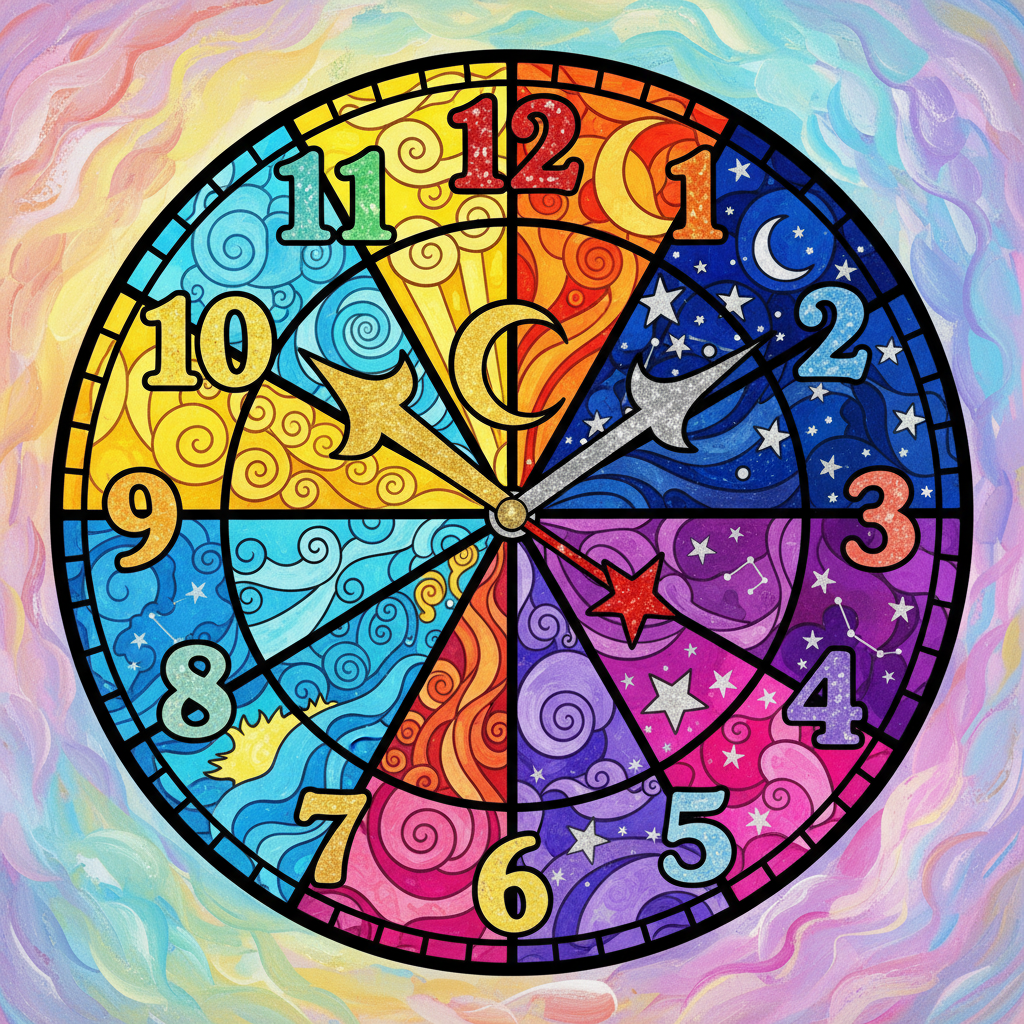
The clock tells us about the hours, minutes, and seconds within a single day. A day has 24 hours. We usually break this down into:
- Hours: These are the big chunks of time, like when you have math class or playtime.
- Minutes: These are smaller pieces of an hour. A classroom period might be 45 minutes long.
- Seconds: These are the fastest ticks of the clock, like when you're counting down to a race!
Learning to read a clock is like learning a secret code for understanding your day. An hour has 60 minutes, and a minute has 60 seconds. This might seem like a lot, but it helps us measure our activities precisely.
The Calendar: Your Day-by-Day Navigator
The calendar helps us see what's happening over longer periods: days, weeks, and months. Think of it like a big map that shows you all the upcoming adventures!
- Days: Monday, Tuesday, Wednesday... these are the building blocks of our week.
- Weeks: A week is a collection of 7 days. We have school days and weekend days!
- Months: A month is made up of several weeks. We have 12 months in a year (January, February, March...).
Your school usually has a calendar showing holidays, special events, and when tests are happening. It's a super important tool for planning ahead!
Creating Your School Schedule: A Step-by-Step Adventure
Let's create a simple plan for a school day. Imagine you have these things to do:
- Go to school
- Attend classes (Math, Science, English, Art)
- Eat lunch
- Play during recess
- Do homework
- Eat dinner
- Playtime
- Sleep
Here’s how we can plan it, like building a delicious sandwich, layer by delicious layer:
- Morning Routine (Getting Ready): This is the first slice of bread! Wake up, get dressed, eat breakfast. Let's say this takes from 7:00 AM to 7:45 AM.
- Travel to School: The next layer! You need time to get to school. Maybe from 7:45 AM to 8:00 AM.
- School Day: This is the main filling! Your classes, lunch, and recess happen here. Your school probably has a schedule for this. Let's say school is from 8:00 AM to 3:00 PM. This block includes specific times for Math (9:00-10:00), Science (10:00-11:00), Lunch (12:00-12:30), English (1:00-2:00), and Art (2:00-3:00).
- After School Snack & Break: Time to refuel! Right after school, maybe 3:00 PM to 3:30 PM.
- Homework Time: This is a crucial ingredient! You need focused time for homework. Let's plan for 3:30 PM to 4:30 PM.
- Free Playtime/Hobbies: The fun toppings! This is your time to relax, play games, read, or do other activities you love. Let's say 4:30 PM to 5:30 PM.
- Dinner: Another important meal! Maybe 5:30 PM to 6:00 PM.
- Evening Activities: A bit more relaxation or family time. 6:00 PM to 7:30 PM.
- Bedtime Routine: Winding down. Getting ready for bed, brushing teeth, reading a story. 7:30 PM to 8:00 PM.
- Sleep: The final, essential rest! 8:00 PM until morning.
See? By breaking down the day and assigning time slots, your day feels much more manageable. It’s like packing your backpack the night before – it makes the morning much smoother!
Tips for Great Time Planning
- Be Realistic: Don't try to fit too much into one hour. It’s like trying to stuff a giant teddy bear into a tiny box – it won't fit!
- Use Visuals: Clocks, calendars, and even simple to-do lists help you see your plan. Think of it like drawing a treasure map!
- Build in Breaks: Your brain needs rest, just like your legs need a break when running a race. Short breaks help you stay focused longer.
- Be Flexible: Sometimes unexpected things happen. If your plan gets a little mixed up, that's okay! Just adjust and get back on track. It’s like a gentle detour on your road trip.
- Review and Adjust: At the end of the day or week, think about what worked and what didn't. Was homework too late? Was there enough playtime? Adjust your plan for the next day.
Time Planning in Real Life
Time planning isn't just for school! Think about:
- Birthday Parties: You plan when guests arrive, when to eat cake, and when to open presents.
- Family Vacations: You plan your travel times, activities, and meals.
- Playing Sports: Practices and games have specific times.
Everyday life is full of examples where planning helps things run smoothly. It’s a skill that will help you throughout your life!
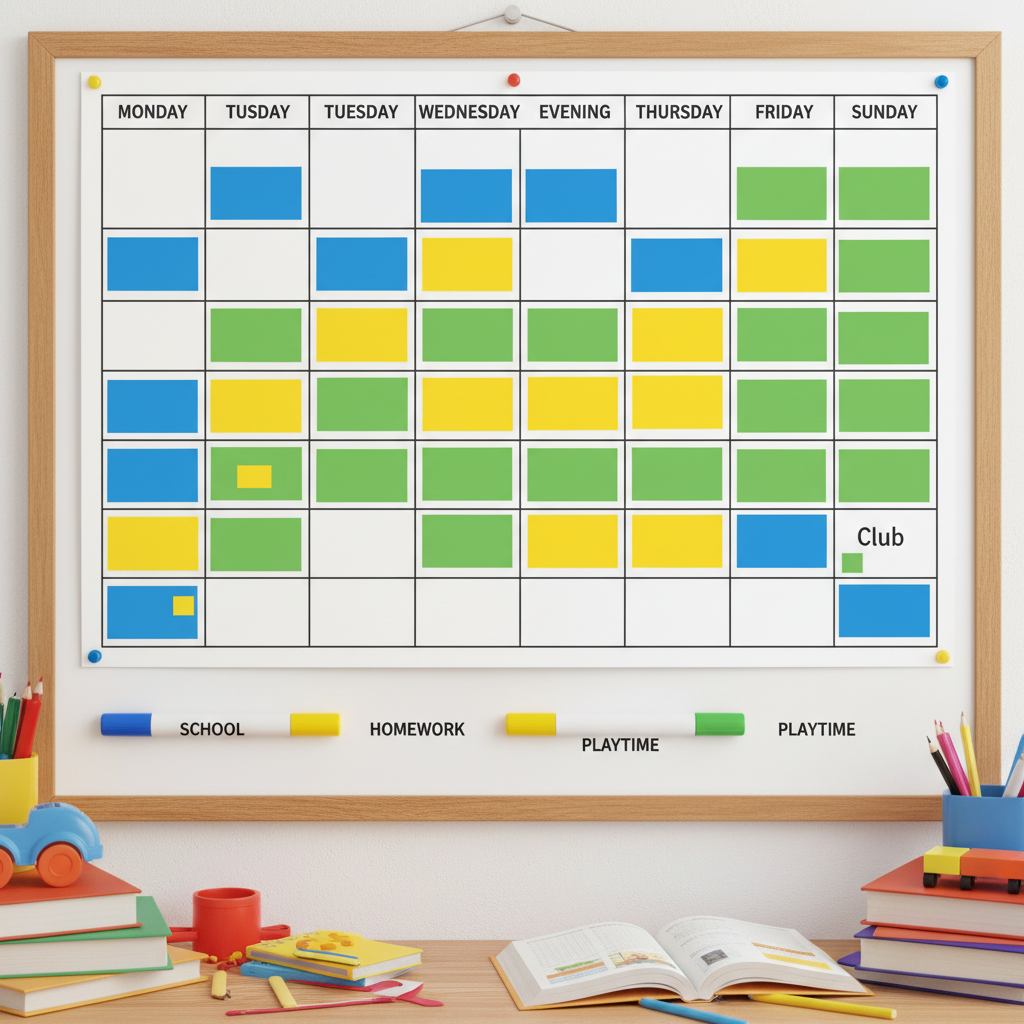 ⚠️ This picture may have spelling mistakes. Trust the words in the lesson.
By understanding clocks, calendars, and by making a plan for your day, you can become a time-planning superstar! You’ll get more done, feel less stressed, and have more time for fun. Happy planning!
Keep learning, free
Create a free Syllabax account to unlock practice questions and games for this topic.
Visual Learning Enhanced! 🚀
To help you master this topic, we use Advanced Syllabax AI to generate detailed diagrams and visual models.
Note on Visuals: The AI sometimes makes spelling errors in image labels. Please refer to the lesson text for the correct terminology.