Loops: Repeating Actions
Watch this topic in 60 seconds
Free preview · Lesson 1
Understanding Loops: Repeating Actions
Loops: Repeating Actions (Grade 2)
Hello, young learners! Today, we're going on an exciting adventure to discover something super cool called 'Loops.' Think of a loop like doing the same thing again and again, like a happy dance move you do over and over!
What is a Loop?
Imagine you have a favorite song. You love the 'chorus' part, right? It's the part that repeats several times throughout the song. That's a lot like a loop! A loop means doing the same action or set of actions more than one time. It's like saying, 'Do this thing... and then do it again... and then do it one more time!'
Think about your morning! What do you do every single morning? Maybe you wake up, brush your teeth, eat breakfast, and then get dressed. You do those same things almost every day! That whole 'morning routine' is a kind of loop for you.
Why Do We Need Loops?
Loops are super helpful because they save us a lot of time and make our instructions much shorter and clearer. Imagine you want to draw 10 stars. You could say:
- Draw a star.
- Draw a star.
- Draw a star.
- Draw a star.
- Draw a star.
- Draw a star.
- Draw a star.
- Draw a star.
- Draw a star.
- Draw a star.
Wow, that's a lot of writing! It's much easier to say: 'Draw a star 10 times.' See how much shorter and simpler that is? Loops help us give instructions to computers in the same way. Computers love to do things many, many times, and loops help us tell them what to do without writing super long lists of commands.
Learning About Loops with Analogies!
Analogy 1: Doing Jumping Jacks
Let's say your teacher asks you to do 5 jumping jacks. What do you do? You jump, spread your arms and legs, then jump back to the start. You do that once. Then you do it again. And again. And again, until you've done it 5 times! You are repeating the 'jumping jack' action 5 times. That's a loop!
Analogy 2: Building with LEGOs
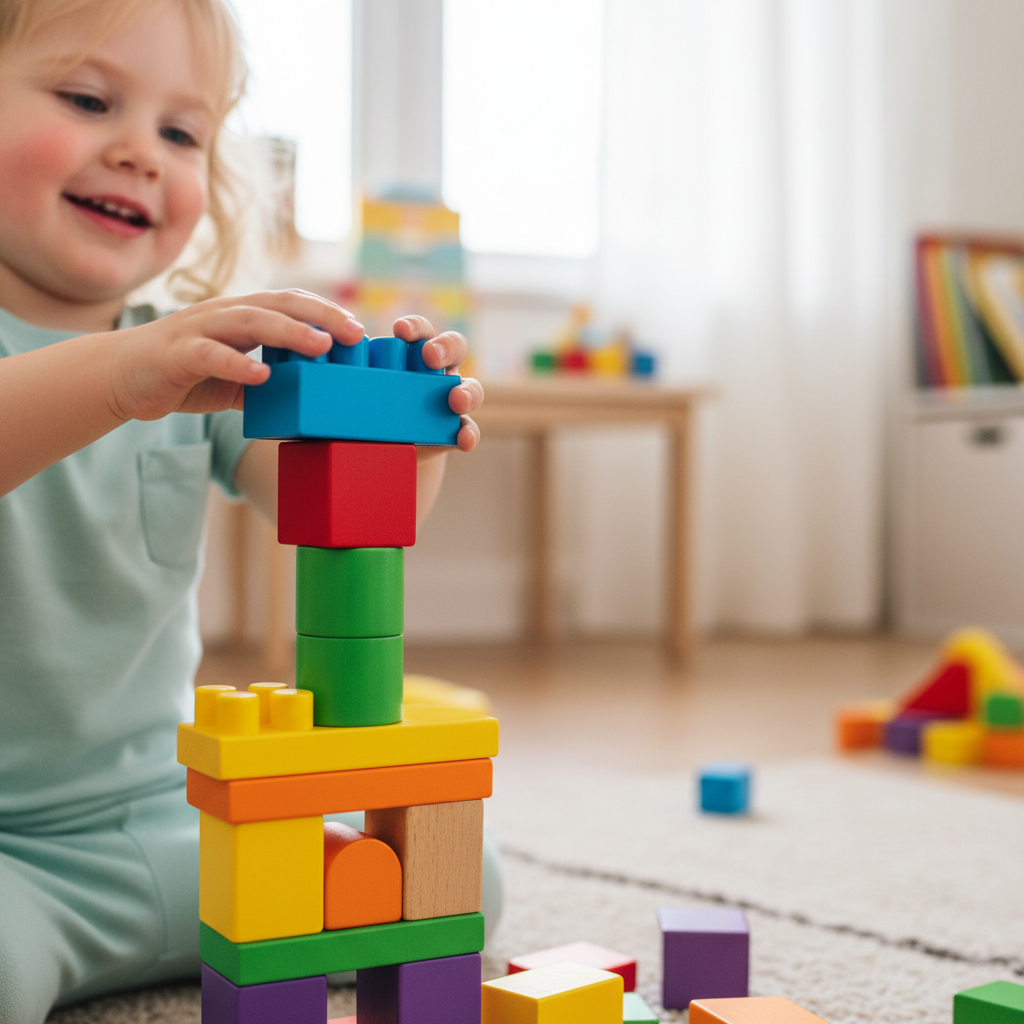
Imagine you're building a tall tower with LEGO bricks. You take a brick, put it on top. Take another brick, put it on top. You keep doing this until your tower is as tall as you want it. The action of 'taking a brick and putting it on top' is looping until your tower is finished!
Analogy 3: Feeding Your Pet
If you have a pet, like a fish, you might drop little flakes of food into the tank. You drop one flake, then another, then another, until you've given it enough food. The action of 'dropping one flake of food' is repeated a few times. That's a loop!
The Two Big Parts of a Simple Loop
For a simple loop, we usually need to know two main things:
- What action to repeat: What is the specific thing you want to do again and again? (Like 'draw a star' or 'do a jumping jack'.)
- How many times to repeat it: How many times should we do that action? (Like '10 times' or '5 times'.)
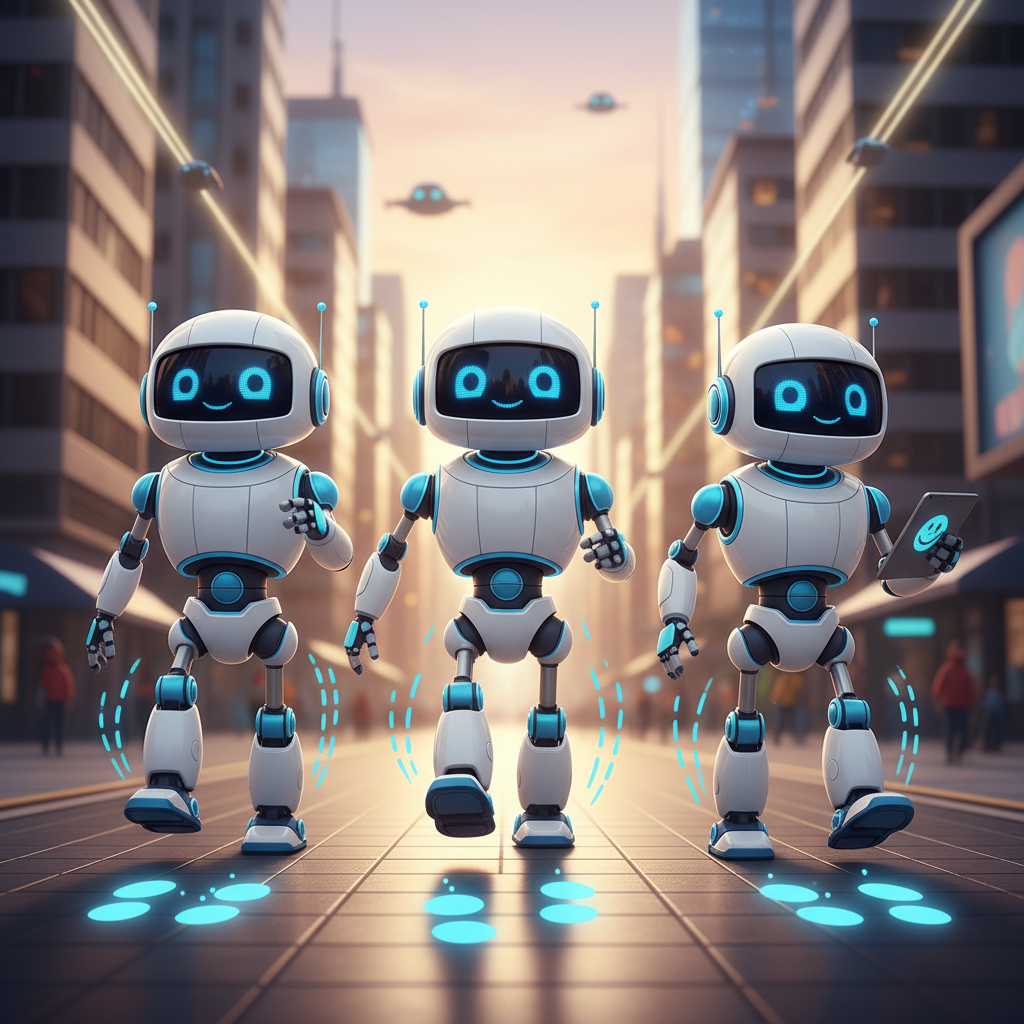
If a robot needs to take 3 steps forward, we don't say 'Step forward. Step forward. Step forward.' We can tell it more simply: 'Repeat step forward 3 times!'
Let's Practice Thinking in Loops!
- When you bounce a ball, you repeat the action of pushing the ball down.
- When you clap your hands, you repeat the action of bringing your hands together.
- When you sing the 'Wheels on the Bus' song, the 'wheels go round and round' part is a loop!
Loops make instructions clear and short, whether you're telling a friend what to do, describing your morning, or giving commands to a computer. They help us understand patterns and make tasks easier!
Great job today, super loop explorers! You now know the secret of repeating actions, just like a computer does!
Keep learning, free
Create a free Syllabax account to unlock practice questions and games for this topic.
Visual Learning Enhanced! 🚀
To help you master this topic, we use Advanced Syllabax AI to generate detailed diagrams and visual models.
Note on Visuals: The AI sometimes makes spelling errors in image labels. Please refer to the lesson text for the correct terminology.