Organizing Data: Simple Lists
Watch this topic in 60 seconds
Free preview · Lesson 1
Understanding Organizing Data: Simple Lists
Organizing Data: Simple Lists (Grade 5)
Hello, super data organizers! Have you ever tried to find a specific toy in a giant, messy toy box? Or maybe looked for a book on a shelf where all the books were just piled up? It can be really hard, right? That’s because things aren’t organized!
Just like organizing your toys or books makes them easier to find and use, organizing information, which we call data, makes it much easier to understand and work with. Today, we're going to learn about one of the simplest and most powerful ways to organize data: using simple lists.
What is Data?
Think about everything around you that gives you information. The names of your friends, the colors of the rainbow, the number of days in a week, your favorite foods, the scores from a basketball game – all of these are examples of data. Data is simply information, facts, or numbers that we collect.
Imagine you want to remember all the ingredients you need to make a delicious pizza. The cheese, the sauce, the pepperoni, the crust – each of these is a piece of data. If you just try to remember them all in your head, you might forget something important!
Why Do We Organize Data?
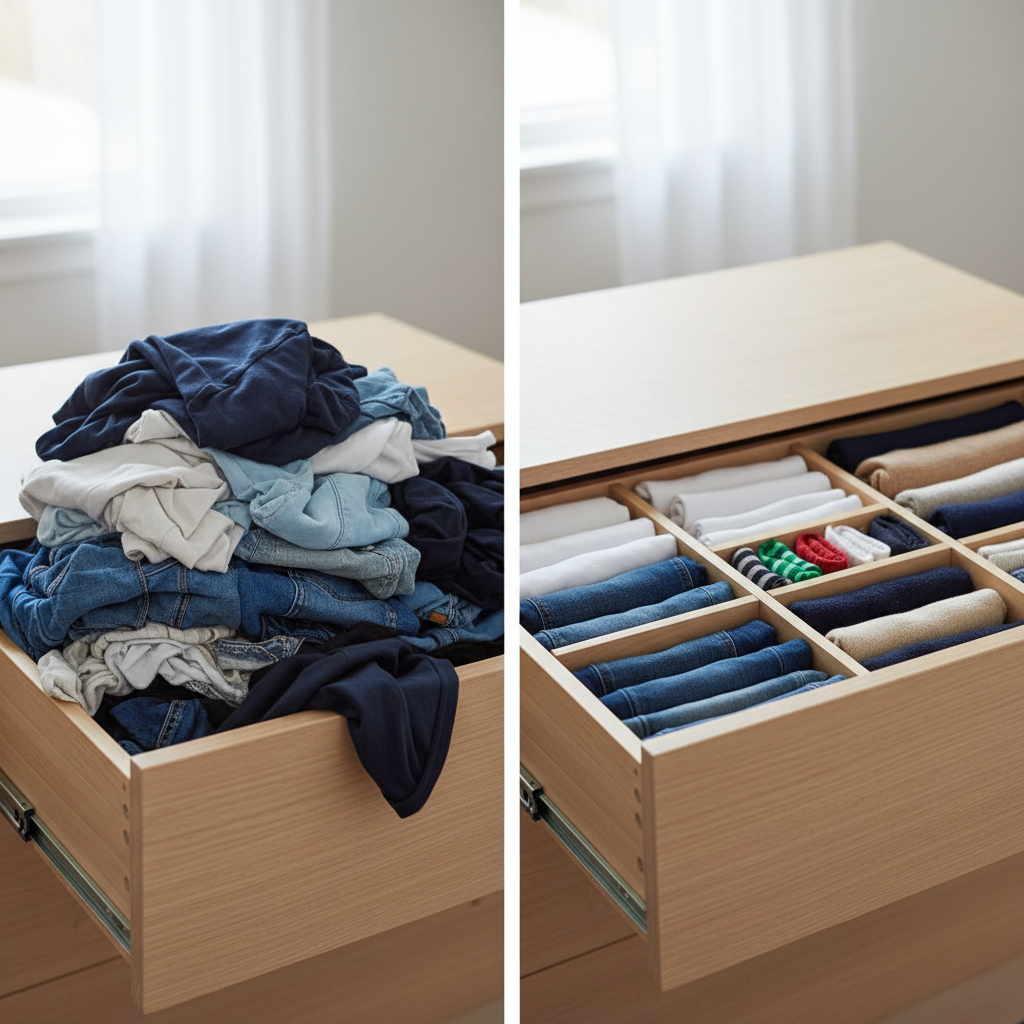
Let's go back to our toy box analogy. If all your LEGO bricks, action figures, and board game pieces are mixed together, it's a huge mess. It takes forever to find the specific LEGO brick you need. But if you have separate bins for LEGOs, action figures, and board game pieces, suddenly everything is easy to find!
This is exactly why we organize data. We organize data to make it:
- Easier to find: Like finding your socks in a neatly organized drawer instead of a pile on the floor.
- Easier to understand: Imagine a list of scores for a game. If they're all jumbled, it's hard to tell who won. If they're in order, it's clear!
- Easier to use: If you have a list of all your chores, you know exactly what you need to do without missing anything.
- Easier to remember: A well-organized list helps your brain keep track of information.
What is a Simple List?
A simple list is just what it sounds like: a way to write down a group of related things, one after another, usually with a clear order or heading. Think of it like a train! Each train car is an item, and the whole train is your list.
Examples of Simple Lists You Already Use:
- A grocery list: Milk, eggs, bread, apples. (Each item is separate and clear!)
- A list of names: Sarah, Tom, Maria, David. (These are all names of people.)
- A to-do list: Clean room, walk dog, do homework. (These are all tasks you need to complete.)
- A list of numbers: 1, 2, 3, 4, 5. (These are numbers in order.)
See? You've been using simple lists all your life without even knowing it! They help you keep track of things so you don't forget or get confused.
How to Create a Simple List
Creating a simple list is super easy! Here are the steps:
- Decide on a Title: What is your list about? Give it a clear title so anyone looking at it knows right away. For example, 'My Favorite Animals' or 'Books to Read'.
- List Your Items: Write down each piece of information (each item) one by one. You can use bullet points (•), numbers (1, 2, 3), or just write them clearly with spaces in between.
- Keep it Focused: Make sure all the items on your list belong to the same topic as your title. Don't put 'apples' on a list called 'My Favorite Colors'!
Let's Practice!
Imagine your teacher asks you to make a list of all the supplies you need for an art project. You need:
- Colored pencils
- Construction paper
- Glue stick
- Scissors
- Glitter
How would you turn this into a simple list?
First, give it a title: Art Project Supplies
Then, list the items:
- Colored pencils
- Construction paper
- Glue stick
- Scissors
- Glitter
See how neat and easy to read that is? If you went to the store, you could look at this list and make sure you got everything you needed.
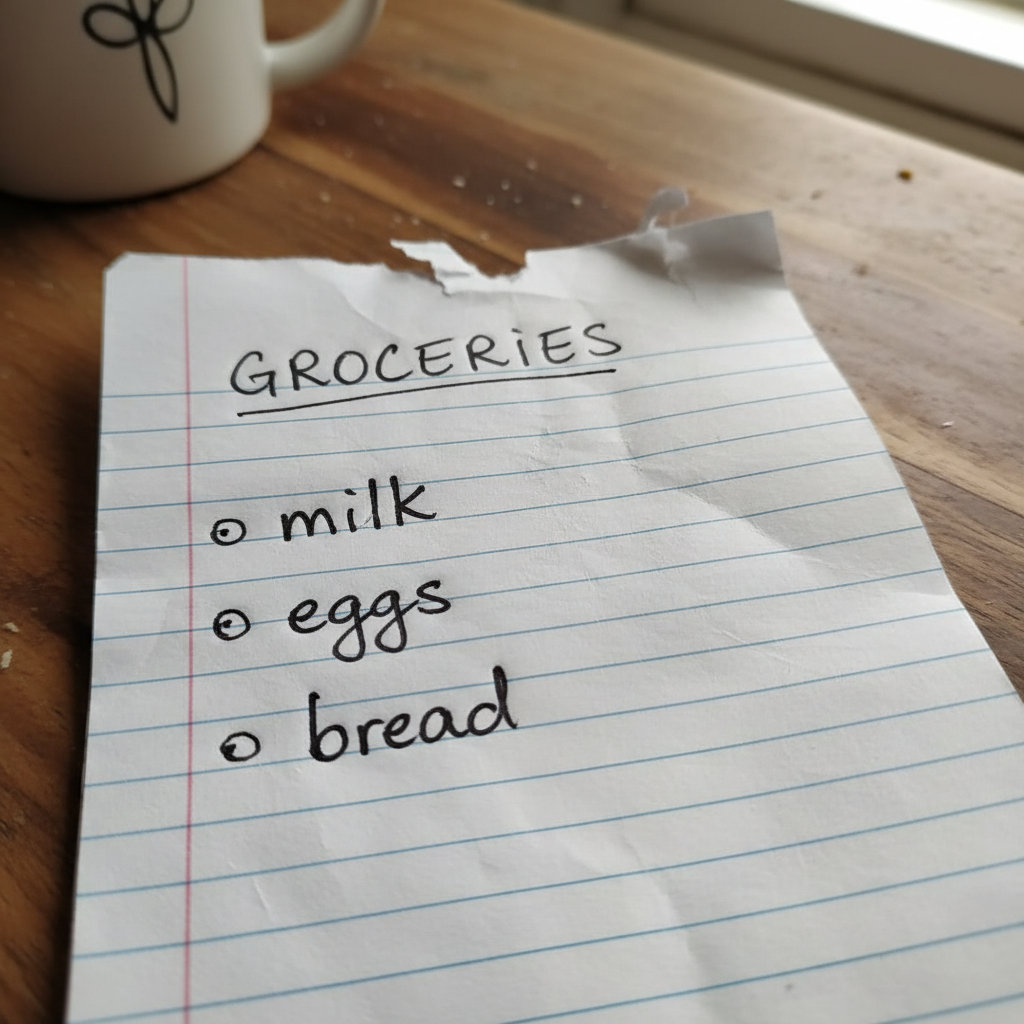
Parts of a Simple List
Every good simple list has two main parts:
- The Title: This tells you what the entire list is about. It's like the label on a box!
- The Items (or Elements): These are the individual pieces of information listed. Each item is like a toy inside the box.
For our 'Art Project Supplies' list:
- Title: Art Project Supplies
- Items: Colored pencils, Construction paper, Glue stick, Scissors, Glitter
Think of it like a Recipe!
A recipe is a fantastic example of a list! It has a title (like 'Chocolate Chip Cookies'), and then it lists all the ingredients (flour, sugar, chocolate chips) one by one. If the ingredients weren't listed clearly, you might forget the most important part – the chocolate chips!
The Power of Organizing!
Even though simple lists might seem, well, simple, they are incredibly powerful tools for organizing data. They help us turn messy, confusing information into clear, easy-to-use information. As you get older, you'll see lists used everywhere: in computer programs, in libraries, in stores, and even in sports statistics. Understanding how to make and read a simple list is a foundational skill that will help you for years to come!
So next time you have a lot of information to keep track of, remember the power of a simple list. It's your secret weapon for staying organized and smart!
Keep learning, free
Create a free Syllabax account to unlock practice questions and games for this topic.
Visual Learning Enhanced! 🚀
To help you master this topic, we use Advanced Syllabax AI to generate detailed diagrams and visual models.
Note on Visuals: The AI sometimes makes spelling errors in image labels. Please refer to the lesson text for the correct terminology.