Natural Vegetation & Wildlife – Indian Geography
Watch this topic in 60 seconds
Free preview · Lesson 1
Natural Vegetation & Wildlife – Indian Geography (Foundational)
Natural Vegetation & Wildlife – Indian Geography (Foundational)
Hello explorers! Welcome to a fascinating journey through India's diverse landscapes! Today, we'll learn about the amazing plants and animals that call India home. We'll focus on the basics, so get ready for an adventure!
What is Natural Vegetation?
Imagine walking through a forest or a grassy field. The plants you see growing there naturally, without any human help, are called natural vegetation. This includes forests, grasslands, shrubs, and more!
- Definition: Natural vegetation refers to the plants that grow naturally in an area without human interference.
Types of Natural Vegetation in India
India has a wide variety of climates and landscapes, which means we have many different types of natural vegetation!
- Forests: Areas dominated by trees. Examples include Evergreen forests, Deciduous forests, and Thorn forests.
- Grasslands: Areas mainly covered by grasses.
- Shrubs: Woody plants smaller than trees, like bushes.
What is Wildlife?
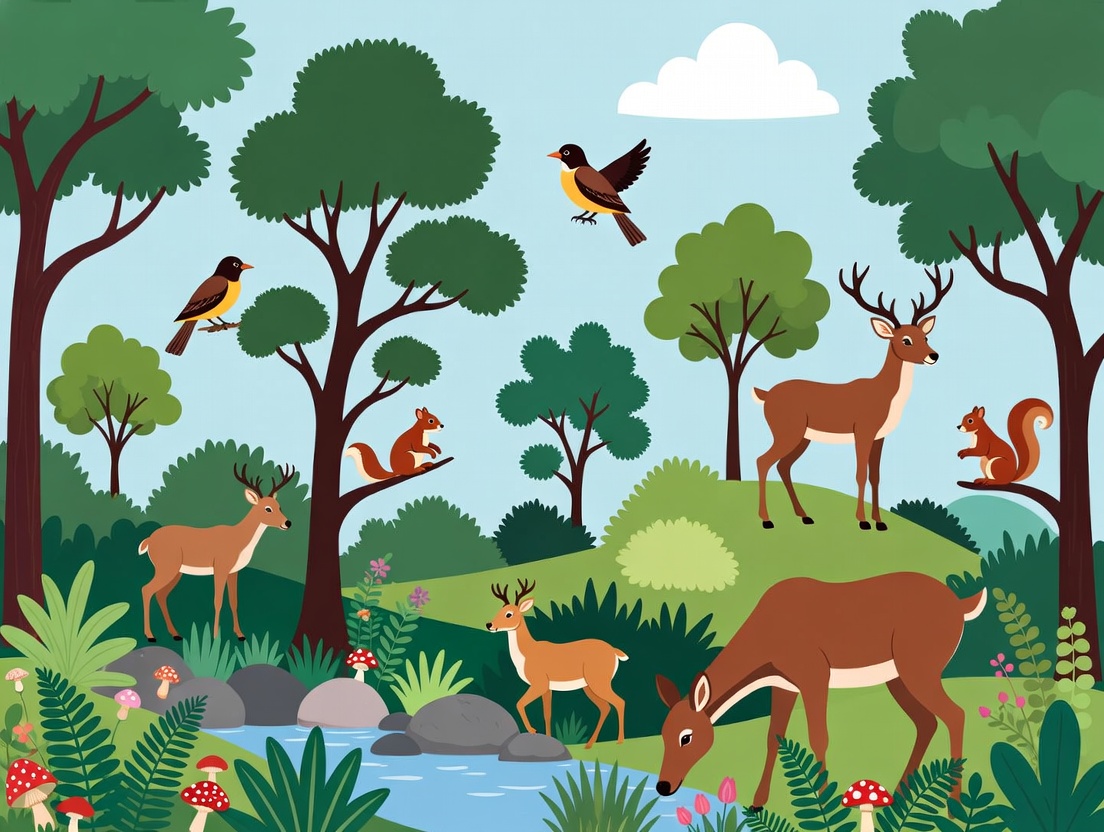
Just like natural vegetation refers to plants, wildlife refers to the animals that live freely in their natural habitats.
- Definition: Wildlife includes all undomesticated animals living in their natural environment.
Examples of Wildlife in India
India is home to an incredible variety of animals!
- Mammals: Tigers, elephants, lions, deer, monkeys, and many more!
- Birds: Peacocks, parrots, eagles, and countless others!
- Reptiles: Snakes, crocodiles, lizards, and turtles.
- Insects: Butterflies, bees, ants, and much more!
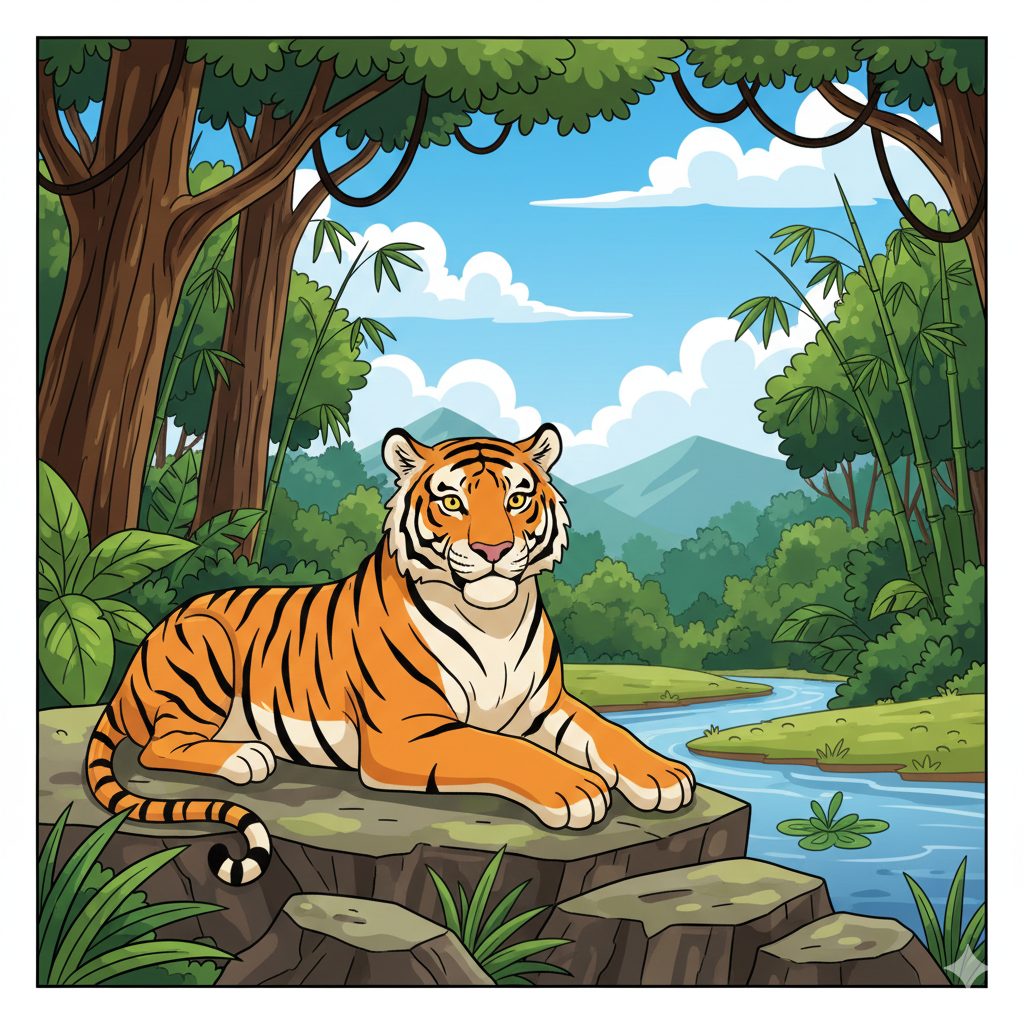 Why are Natural Vegetation and Wildlife Important?
They are crucial for our planet and for us!
- Ecosystem Balance: Plants and animals depend on each other and help maintain a healthy environment.
- Clean Air and Water: Forests help clean the air and water we need to survive.
- Resources: We get many resources from natural vegetation and wildlife, like wood, food, and medicines.
Protecting Natural Vegetation and Wildlife
It's our responsibility to protect these precious resources!
- Reduce Pollution: Pollution can harm plants and animals.
- Conserve Water: Water is essential for all life.
- Support Conservation Efforts: Organizations are working to protect natural vegetation and wildlife, and we can support them.
Keep learning, free
Create a free Syllabax account to unlock practice questions and games for this topic.
Visual Learning Enhanced! 🚀
To help you master this topic, we use Advanced Syllabax AI to generate detailed diagrams and visual models.
Note on Visuals: The AI sometimes makes spelling errors in image labels. Please refer to the lesson text for the correct terminology.