Our Class Pet Types
Watch this topic in 60 seconds
Free preview · Lesson 1
Understanding Our Class Pet Types
Welcome to Our Class Pet Family!
Hello, amazing second graders! Today, we're going on an exciting adventure to learn all about the different kinds of animal friends that can live with us right here in our classroom. These special friends are called class pets! Just like you have different friends who like different games, different pets have different needs and ways they like to live. Learning about them helps us be super good caregivers!
Why Do We Have Class Pets?
Class pets are wonderful for many reasons! They help us learn about responsibility, how to be gentle, and how to care for another living creature. They can also be super fun to watch and learn from. Think of them like tiny, furry, scaly, or finny teachers that help us understand the animal world better!
Meet Our Aquatic Friends: Fish!
Let's start with pets that love to swim! Imagine taking a deep dive into an underwater world. That's where fish live! Fish are often colorful and graceful, gliding through the water like tiny ballet dancers. They don't have legs, instead, they use their fins to help them swim and steer, and a tail to push them forward.
Where do they live? Fish live in a special clear box called an aquarium. This aquarium is like their entire house, their playground, and their swimming pool all rolled into one! It needs to be filled with clean water, sometimes even with special rocks and plants to make it feel like home. Just like you need clean air to breathe, fish need clean water with enough oxygen to stay healthy.
What do they eat? Fish usually eat small flakes or pellets of special fish food. Sometimes, they might enjoy tiny frozen treats! It's like their yummy breakfast cereal. We have to be careful not to give them too much food, though, because it can make their water dirty, and that's not good for them.
How do we care for them? Caring for fish means making sure their water is always clean and the right temperature. We also need to feed them just a little bit each day. We don't usually pet fish, because their skin is very delicate, like a super thin silk cloth. We observe them gently from outside their tank.
Meet Our Furry Land Friends: Hamsters & Guinea Pigs!
Next up, let's talk about some furry little friends who love to scurry and explore! Hamsters and guinea pigs are small mammals, which means they have fur, are warm-blooded, and are born alive (not from eggs, like some other animals we'll talk about!). They are super cute and often very curious.
Where do they live? These little explorers live in a cage. Think of their cage like a tiny apartment building! It has walls, a floor, and a roof, usually made of wire or plastic. Inside, they need soft bedding (like shredded paper or wood shavings) to make their nests and tunnels. This bedding is like their cozy blanket and pillow, and also helps keep their home clean.
What do they eat? Hamsters and guinea pigs eat special pellets that have all the vitamins and nutrients they need. But they also love fresh vegetables and fruits, like tiny pieces of carrots, lettuce, or apples. Imagine them nibbling on a crunchy carrot stick – it's their favorite snack! Guinea pigs especially need a lot of fresh hay, which is like their grass. They also need fresh water, usually from a special bottle with a metal spout.
How do we care for them? Caring for these furry friends means keeping their cage very clean, because they don't like a messy home any more than you do! We also need to give them fresh food and water every day. If we handle them, we need to be very gentle and hold them carefully, like holding a fragile teacup. They are small and can get scared easily, so quiet voices and slow movements are best.
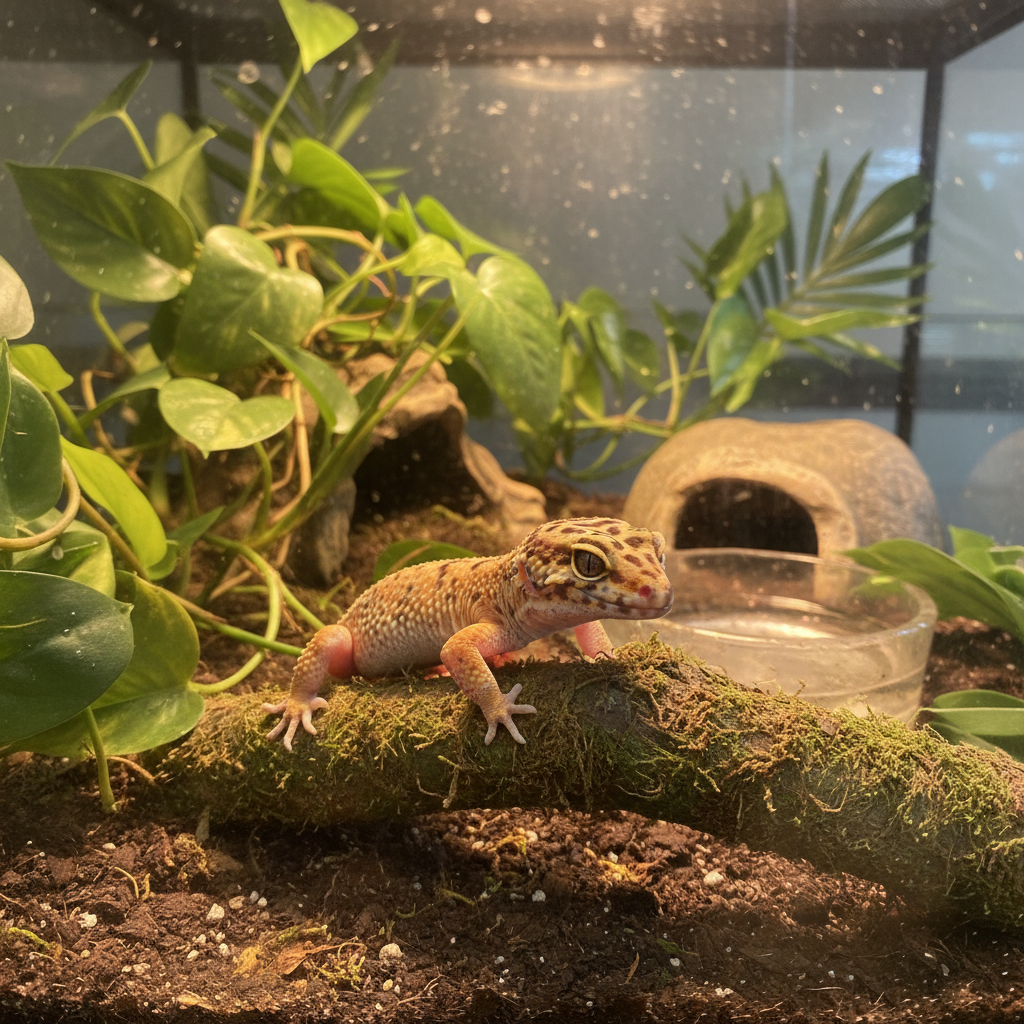
Meet Our Scaly Friends: Lizards & Geckos!
Now, let's explore pets with a different kind of skin – scales! Lizards and geckos are reptiles. They are often quiet and fascinating to watch. Some geckos have special sticky pads on their feet that let them climb walls, like tiny superheroes!
Where do they live? Lizards and geckos live in a special glass box called a terrarium. Think of a terrarium as a mini desert or a mini rainforest, depending on what kind of lizard it is. It has special sand, rocks, branches, and even plants. Many reptiles need a special heat lamp to keep their home warm, because they are cold-blooded and need outside warmth, like a tiny sun for them to bask under.
What do they eat? Most lizards and geckos eat insects! Things like crickets or mealworms are their favorite snacks. It's like eating a tiny crunchy chip for them! Sometimes, they might also eat special fruit pastes. It's important they get the right kind of food so they can grow big and strong.
How do we care for them? Caring for lizards and geckos means making sure their terrarium is clean, warm, and humid enough (sometimes we spray water in it to make it feel like a misty forest). We feed them carefully and always make sure they have fresh water. When we hold them, we need to be very slow and gentle, letting them crawl onto our hands rather than grabbing them. Their tails can be very delicate!
 ⚠️ This picture may have spelling mistakes. Trust the words in the lesson.
Being a Responsible Pet Helper
No matter what kind of class pet we have, they all share one big need: our love and responsible care! Being responsible means remembering to:
- Feed them the right food at the right time.
- Make sure they always have fresh, clean water.
- Keep their home clean and comfortable.
- Handle them gently and carefully, if it's safe to do so.
- Observe them to make sure they are happy and healthy.
Our class pets are not just animals; they are part of our classroom family. By learning about their different types and how to care for each, we become amazing animal friends and responsible students. Hooray for our class pets!
Keep learning, free
Create a free Syllabax account to unlock practice questions and games for this topic.
Visual Learning Enhanced! 🚀
To help you master this topic, we use Advanced Syllabax AI to generate detailed diagrams and visual models.
Note on Visuals: The AI sometimes makes spelling errors in image labels. Please refer to the lesson text for the correct terminology.