Modern Global Conflicts & Diplomacy (age-appropriate overview) – World History
Watch this topic in 60 seconds
Free preview · Lesson 1
Modern Global Conflicts & Diplomacy (age-appropriate overview) – World History (Foundational)
Modern Global Conflicts & Diplomacy: A Foundational Overview
Welcome to an introduction to modern global conflicts and diplomacy! This lesson will provide a basic understanding of these complex topics, focusing on core concepts and definitions.
What are Global Conflicts?
Global conflicts involve disagreements, disputes, or wars that affect multiple countries or regions around the world. These conflicts can be caused by a variety of factors, including:
- Ideological differences: Disagreements about political or religious beliefs.
- Economic competition: Struggles for resources, trade routes, or economic dominance.
- Territorial disputes: Conflicts over land or borders.
- Nationalism: Strong feelings of pride and loyalty to one's country, which can sometimes lead to conflict with other nations.
- Power struggles: Competition between countries or groups for influence and control.
Examples of Modern Global Conflicts
Some notable examples of modern global conflicts include:
- The Cold War (1947-1991): A period of tension between the United States and the Soviet Union and their respective allies. While not a direct war, it involved proxy wars (conflicts where major powers support different sides) and a constant threat of nuclear war.
- Conflicts in the Middle East: Ongoing conflicts in countries like Syria, Iraq, and Yemen, often involving complex combinations of religious, ethnic, and political factors.
- The War on Terror (2001-Present): A global campaign led by the United States and its allies against terrorist groups like al-Qaeda and ISIS.
What is Diplomacy?
Diplomacy is the art and practice of conducting negotiations between representatives of states or groups. It involves using communication, negotiation, and compromise to resolve conflicts peacefully and promote cooperation.
Key Tools of Diplomacy
Diplomats use various tools to achieve their goals, including:
- Negotiation: Discussions between parties to reach an agreement.
- Mediation: A neutral third party helps to facilitate negotiations.
- Arbitration: A neutral third party makes a binding decision.
- Sanctions: Economic or political penalties imposed on a country to pressure it to change its behavior.
- Treaties: Formal agreements between countries that are legally binding.
- International Organizations: Bodies like the United Nations provide platforms for diplomacy and cooperation.
The United Nations (UN)
The United Nations is a major international organization that plays a central role in global diplomacy. Its main goals include:
- Maintaining international peace and security.
- Promoting human rights.
- Fostering international cooperation.
- Providing humanitarian assistance.
The UN has several important bodies, including the Security Council (responsible for maintaining peace and security), the General Assembly (where all member states have a voice), and the International Court of Justice (which settles legal disputes between countries).
The Importance of Diplomacy
Diplomacy is crucial for preventing wars, resolving conflicts peacefully, and promoting cooperation on global issues like climate change, poverty, and disease. While diplomacy is not always successful, it is an essential tool for managing international relations and building a more peaceful and prosperous world. 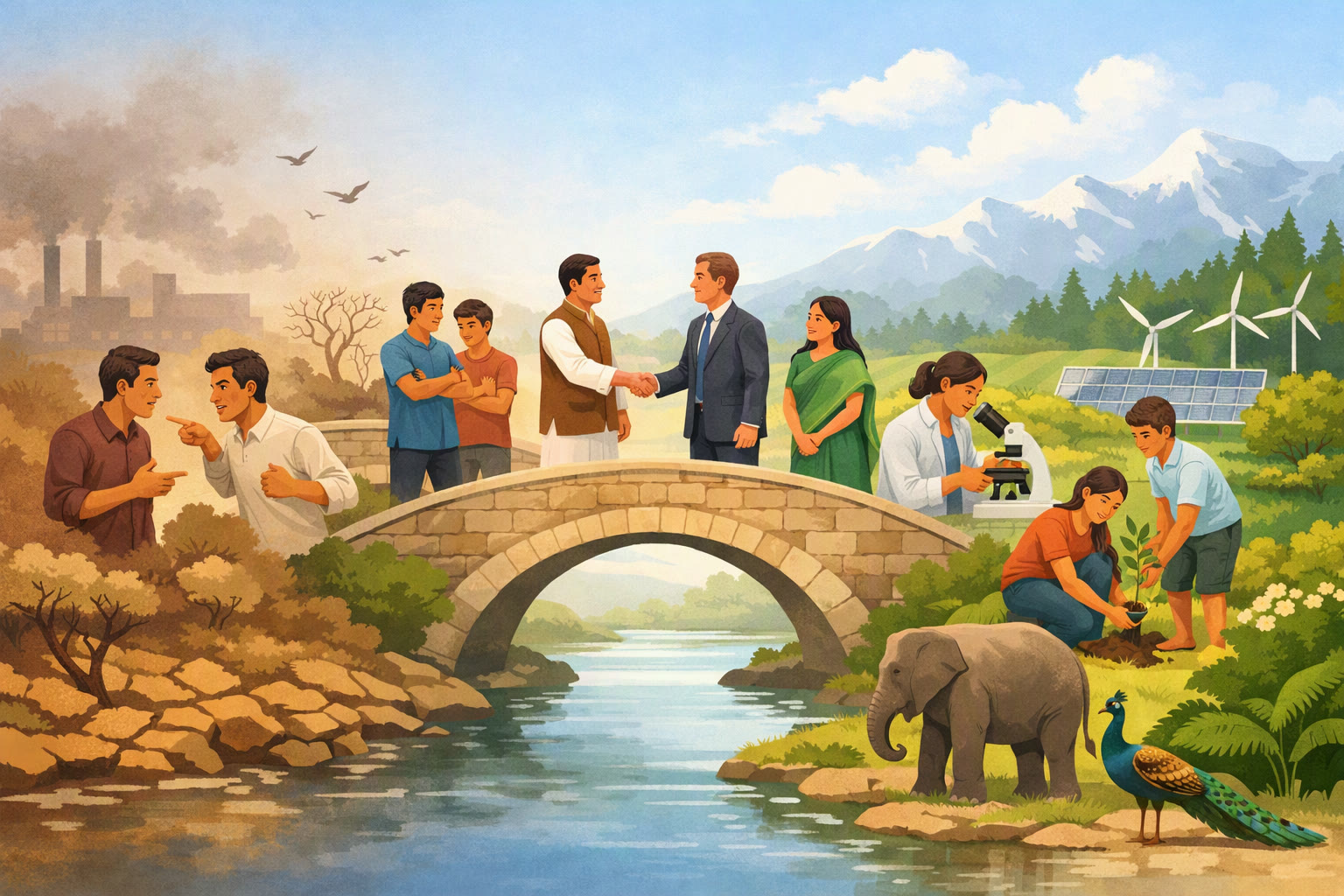
Keep learning, free
Create a free Syllabax account to unlock practice questions and games for this topic.
Visual Learning Enhanced! 🚀
To help you master this topic, we use Advanced Syllabax AI to generate detailed diagrams and visual models.
Note on Visuals: The AI sometimes makes spelling errors in image labels. Please refer to the lesson text for the correct terminology.