Heating effects of current[PHYSICS]
Watch this topic in 60 seconds
Free preview · Lesson 1
Understanding Heating effects of current[PHYSICS]
The Heating Effects of Electric Current
Have you ever noticed how a light bulb gets warm when it's on, or how a toaster gets hot enough to toast your bread? These everyday occurrences are all thanks to something called the **heating effect of electric current**. It might sound a bit technical, but it's actually a very simple and important idea in physics!
What is Electric Current?
Before we talk about heating, let's quickly remember what electric current is. Think of electricity like water flowing through pipes. An electric current is the flow of tiny charged particles, usually electrons, through a material like a wire. These electrons are like tiny little workers carrying energy.
Why Does Current Cause Heating?
Imagine those tiny electron workers zooming through a wire. A wire isn't perfectly smooth inside. It's like a crowded hallway with lots of bumps, furniture, and other people. As the electrons (our workers) try to move through the wire, they bump into the atoms (the stationary furniture and people) that make up the wire.
Each time an electron bumps into an atom, it loses a little bit of its energy. This lost energy doesn't just disappear; it gets converted into heat! So, the more the electrons bump and jostle, the warmer the wire becomes. This is the core idea behind the heating effect of current.
Analogy: A Busy Train Station
Let's use another analogy. Imagine a train station (the wire) with lots of people trying to get to their trains (the electrons flowing). The station is also full of pillars and ticket booths (the atoms in the wire). As people rush through, they might accidentally bump into the pillars or other people. Each bump causes a little bit of energy to be spent, maybe making them stumble or drop something. This chaotic movement and bumping creates a general buzz and warmth in the station, especially if it's crowded.
What is Resistance?
Some materials let electrons flow very easily, while others make it difficult. This opposition to the flow of electric current is called **resistance**. Think of it like how easy or hard it is to push a box across different surfaces.
- Low Resistance: Pushing a box on a smooth, polished floor is easy. This is like a good conductor, where electrons flow with few bumps.
- High Resistance: Pushing a box on a rough, sandy beach is very difficult. This is like a resistor, where electrons bump into atoms much more often.
Materials with high resistance cause more collisions between electrons and atoms. Therefore, they generate more heat when current flows through them. This is why we use specific materials for heating devices!
Where Do We See the Heating Effect?
This heating effect isn't just a curious phenomenon; it's used in many devices we use every day!
1. Electric Heaters and Toasters
In devices like electric heaters, toasters, and hair dryers, special wires made of materials with high resistance (like Nichrome wire) are used. When electric current flows through these wires, they heat up significantly. This heat is then used to warm the air or toast your bread!
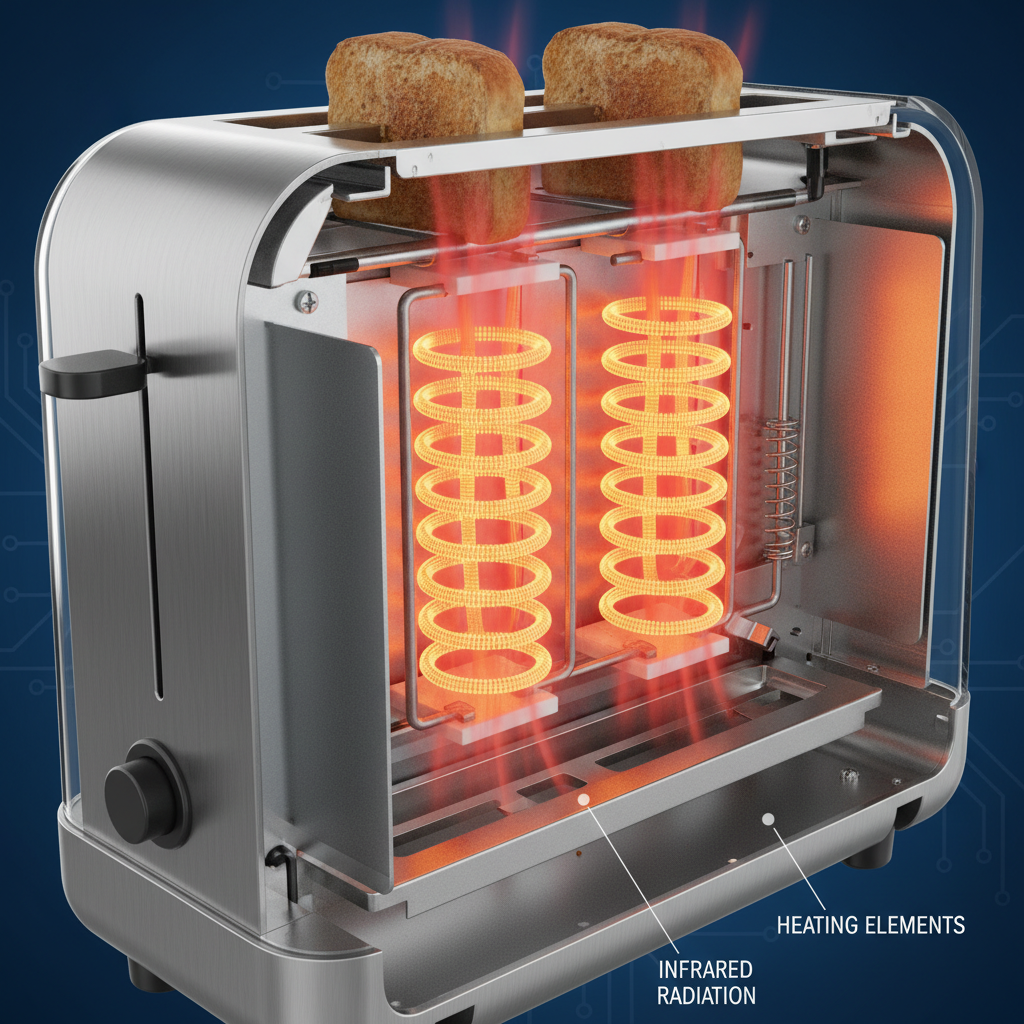
2. Incandescent Light Bulbs
Old-fashioned light bulbs (incandescent bulbs) also use the heating effect. A thin wire called a filament inside the bulb is made to glow brightly when electricity passes through it. The intense heat makes the filament emit light. However, a lot of energy is wasted as heat, which is why these bulbs are not very energy-efficient compared to newer types.
3. Fuses
A fuse is a safety device used in electrical circuits. It contains a thin wire that is designed to melt and break the circuit if too much current flows. This prevents overheating and potential fires. The fuse wire has a low melting point and breaks the circuit due to the heat generated by the excessive current, protecting your appliances.
Factors Affecting Heating
The amount of heat produced by a current depends on a few things:
- The amount of current (I): If more electrons are flowing per second (higher current), there will be more collisions and more heat. Think of a flood of water versus a trickle – the flood will have more impact.
- The resistance (R): As we discussed, higher resistance means more collisions and more heat.
- The time (t): The longer the current flows, the longer the collisions happen, and the more heat is generated.
These factors are related by a formula, but for now, just remember that more current, more resistance, and more time all lead to more heat!
Summary
The heating effect of electric current is the phenomenon where electrical energy is converted into heat energy as current flows through a conductor. This happens because the moving electrons collide with the atoms of the conductor, transferring energy which manifests as heat. Materials with higher resistance produce more heat for the same amount of current. This effect is fundamental to many useful devices, from toasters to safety fuses.
Keep learning, free
Create a free Syllabax account to unlock practice questions and games for this topic.
Visual Learning Enhanced! 🚀
To help you master this topic, we use Advanced Syllabax AI to generate detailed diagrams and visual models.
Note on Visuals: The AI sometimes makes spelling errors in image labels. Please refer to the lesson text for the correct terminology.