Daily schedule reading (Life-Skill Mathematics)
Watch this topic in 60 seconds
Free preview · Lesson 1
Understanding Daily schedule reading (Life-Skill Mathematics)
Understanding Our Day: Reading a Daily Schedule
Hello amazing learners! Have you ever wondered how your day is planned out? Like, when it's time to wake up, eat breakfast, go to school, play, and go to bed? It's like a map for your day! This map is called a daily schedule. Learning to read a daily schedule is a super important life skill, just like learning to count your toys or tie your shoes. It helps us know what to expect and makes our days run smoothly. Think of it like following a recipe for baking cookies – if you follow the steps in order, you get yummy cookies!
What is a Daily Schedule?
A daily schedule is simply a list of activities that are planned for a specific day, usually in the order they will happen. It's like a timeline for your day. Imagine you have a special party, and you want to make sure you have time for games, cake, and opening presents. You'd write down the order you want to do these things so you don't miss anything! That's a schedule!
Why is Reading a Schedule Important?
Reading a schedule helps us in many ways:
- It helps us stay organized: Just like putting your toys away in the right box, a schedule helps us put our activities in the right order.
- It helps us manage our time: Time is precious, like a treasure! A schedule helps us use our time wisely for important things and fun things.
- It reduces surprises: When you know what's coming next, you feel more prepared and less surprised. It's like knowing the surprise quiz is coming so you can study a little bit.
- It builds independence: As you get better at reading schedules, you can start planning parts of your own day!
Parts of a Daily Schedule
Most daily schedules have a few key parts:
- Activity: This is what you are doing. Examples: 'Wake Up', 'Eat Breakfast', 'Go to School', 'Playtime', 'Read a Book'.
- Time: This tells you *when* the activity happens. We use clocks to tell time. Sometimes schedules show times using numbers like 7:00 AM or 8:30 PM.
- Order: Schedules usually show things in the order they happen, from the beginning of the day to the end.
Looking at a Simple Schedule
Let's look at a very simple schedule for a school day. Imagine this is written on a big chart in your classroom.
| Time | Activity |
|---|---|
| 8:00 AM | Arrive at School & Morning Work |
| 9:00 AM | Reading Time |
| 10:00 AM | Math Lesson |
| 11:00 AM | Recess / Playtime |
| 12:00 PM | Lunch |
| 1:00 PM | Science Activity |
| 2:00 PM | Art Class |
| 3:00 PM | Dismissal (Go Home) |
This table is like a special agreement for our school day. The first column tells us the time, and the second column tells us the activity. We read it from top to bottom because that's the order the day happens.
How to Read the Schedule
Let's practice reading this schedule. Imagine you're looking at it:
- What happens at 8:00 AM? Look at the row that says '8:00 AM'. The activity is 'Arrive at School & Morning Work'.
- What happens after Reading Time? Reading Time is at 9:00 AM. Look at the next row. The activity is 'Math Lesson'. So, Math Lesson comes after Reading Time.
- What is the last activity of the school day? Look at the bottom of the table. The last time is 3:00 PM, and the activity is 'Dismissal (Go Home)'.
- When do you have lunch? Find 'Lunch' in the 'Activity' column. It is at 12:00 PM.
See? It's like following clues on a treasure hunt! Each row is a clue about what's happening and when.
More About Time
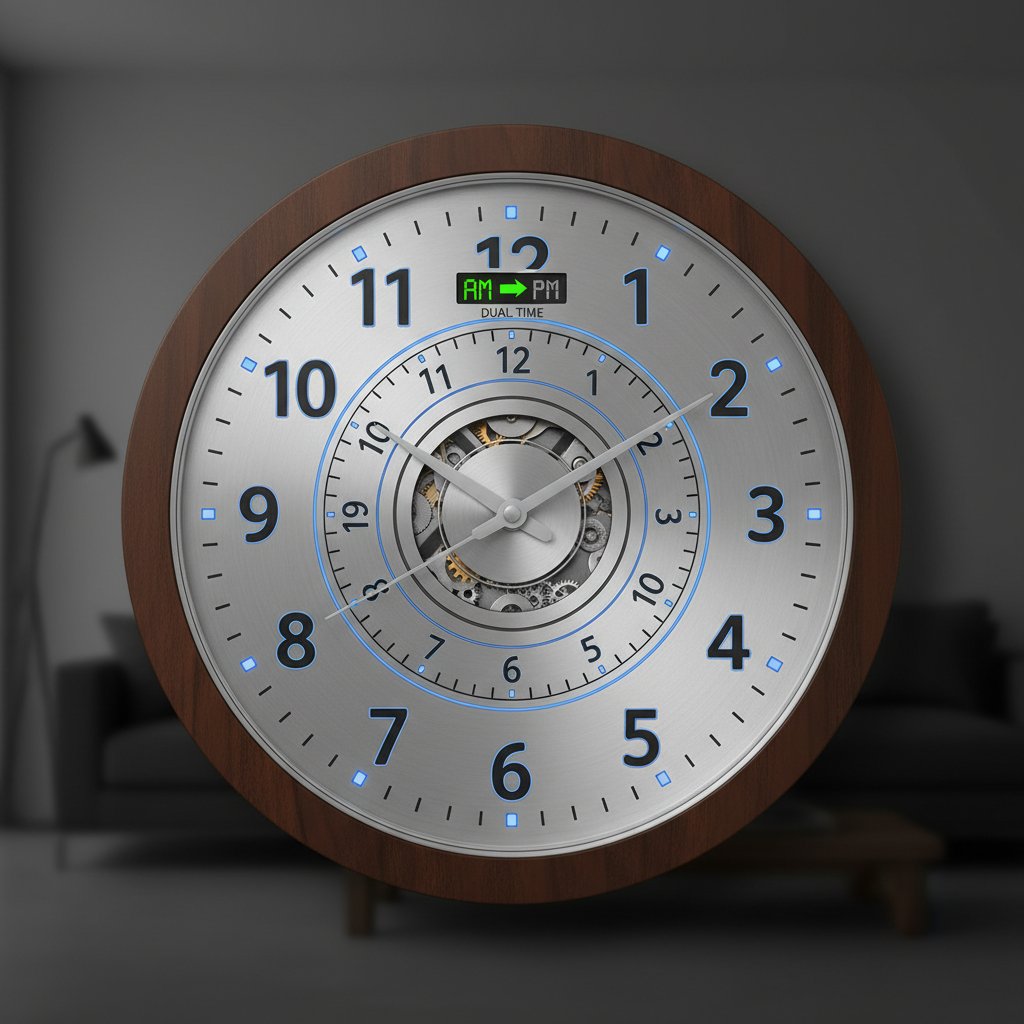
Schedules use numbers to tell us the time. You might see times like 7:00, 8:30, or 10:15. The first number (like 7 or 8) is the hour. The second number (like 00 or 30) is the minutes.
AM and PM help us know if it's morning or afternoon/night.
- AM means from midnight until noon (when the sun is in the sky during the morning). After Midday is a good way to remember it's morning time!
- PM means from noon until midnight (when the sun is going down or it's dark). Post Midday is a good way to remember it's afternoon or evening time!
So, 8:00 AM is in the morning, and 8:00 PM is at night. It makes a big difference!
Schedules for Home
Schedules aren't just for school! You can have a schedule at home too. It might look a little different.
| Morning Routine (7:00 AM - 8:00 AM) |
|
| Afternoon Fun (3:00 PM - 5:00 PM) |
|
| Evening Wind-Down (7:00 PM - 8:30 PM) |
|
This schedule groups activities into bigger chunks of time. It's like planning your day into different 'chapters'.
Tips for Using Your Schedule
1. Look at it every day: Make it a habit to check your schedule, maybe when you wake up or before you start a new activity.
2. Ask questions: If you don't understand something on the schedule, ask a grown-up for help. It's okay to ask!
3. Be flexible: Sometimes, things change! If an activity is moved or changed, that's okay. We can adjust our plan, like changing the route on a road trip if there's a detour.
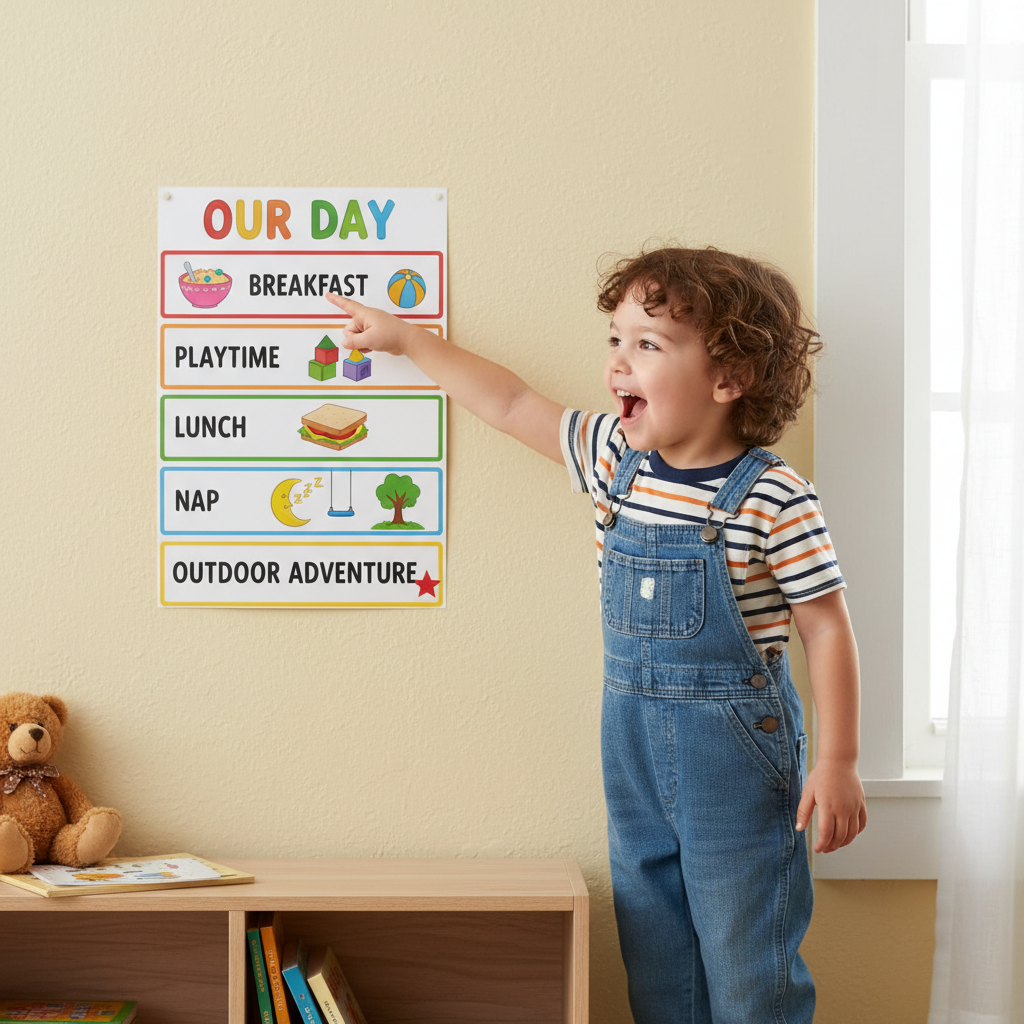
Learning to read and use a daily schedule is like learning a secret code for your day. It helps you know what's happening, when it's happening, and makes your whole day a little easier and a lot more fun! Keep practicing, and you'll become a schedule superstar!
Keep learning, free
Create a free Syllabax account to unlock practice questions and games for this topic.
Visual Learning Enhanced! 🚀
To help you master this topic, we use Advanced Syllabax AI to generate detailed diagrams and visual models.
Note on Visuals: The AI sometimes makes spelling errors in image labels. Please refer to the lesson text for the correct terminology.