Feeding habits (herbivore, carnivore, omnivore) (Animals)
Watch this topic in 60 seconds
Free preview · Lesson 1
Understanding Feeding habits (herbivore, carnivore, omnivore) (Animals)
Animal Appetites: Exploring Herbivores, Carnivores, and Omnivores!
Hello, young explorers! Have you ever thought about what different animals like to eat for dinner? Just like you might have your favorite foods, animals also have special diets. Some animals love crunchy plants, others prefer a juicy meal of meat, and some enjoy a bit of everything! These different eating habits are super important for animals to grow big and strong, and to keep nature balanced. Let's dive into the fascinating world of animal meals!
🌿 Team Green: Herbivores! 🌿
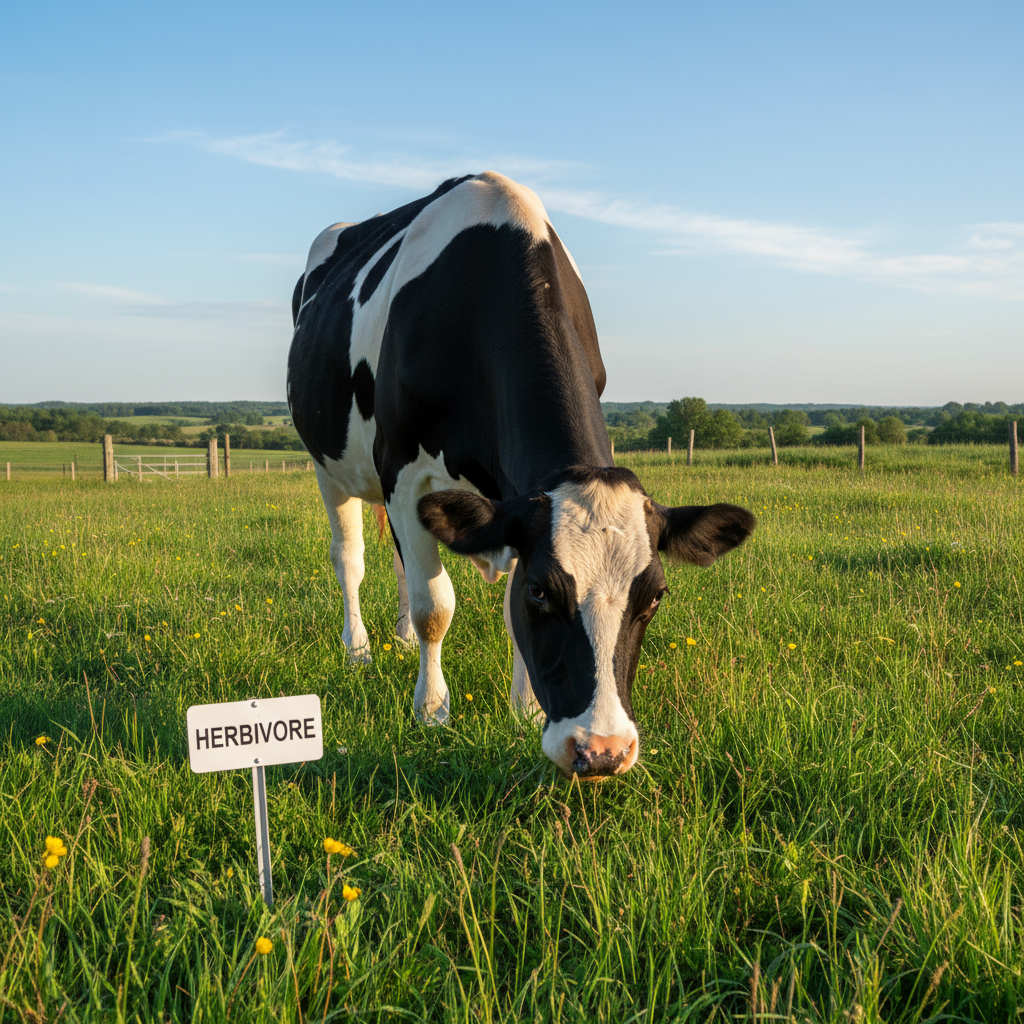
Imagine going to a big party where all the snacks are delicious fruits, fresh crunchy vegetables, and leafy greens. If you only ate those things, you'd be like a herbivore! Herbivores are animals that get all their energy from eating only plants. They love munching on grass, leaves, fruits, vegetables, and even the bark of trees!
Think about a cow happily chewing grass in a field. That cow is a perfect example of a herbivore! Other herbivores include:
- Rabbits: They nibble on carrots, clover, and crisp leaves.
- Deer: You might see them eating leaves, twigs, and berries in the forest.
- Elephants: These gentle giants eat tons of leaves, branches, fruits, and grass every day!
- Giraffes: They stretch their long necks to reach tasty leaves high up in trees.
How do herbivores eat all those plants? They have special teeth that are flat and wide, a bit like your back teeth, which are perfect for grinding and mashing tough plants. It's like having a built-in food processor to break down all that green goodness!
🦁 Mighty Meat Eaters: Carnivores! 🦁
Now, imagine a different kind of party, where the only food on the table is delicious meat – like chicken, fish, or beef. If an animal only ate these kinds of foods, it would be a carnivore! Carnivores are animals that get all their energy from eating only other animals (meat). They are often very good hunters, fast runners, or clever at finding their prey.
A roaring lion chasing a zebra is a classic picture of a carnivore in action! Here are some other powerful carnivores:
- Lions and Tigers: These big cats hunt and eat other animals like zebras, deer, and wild pigs.
- Wolves: They often hunt in packs to catch larger animals like elk and moose.
- Sharks: Living in the ocean, sharks are expert hunters of fish and other sea creatures.
- Eagles: These birds of prey use their sharp talons (claws) and beaks to catch fish, small mammals, and other birds.
Carnivores have special tools for eating meat. They have sharp, pointy teeth, like very strong scissors or knives, perfect for tearing meat. Many also have strong claws to help them catch and hold onto their prey. Their bodies are built for speed and strength!
🍴 Eat-It-All Explorers: Omnivores! 🍴
What if you love both vegetables and meat? What if you enjoy a big salad one day, and a juicy burger the next? Then you're like an omnivore! Omnivores are super adaptable animals that get their energy from eating both plants AND other animals (meat). They have the best of both worlds!
Guess what? Humans are omnivores! We eat fruits, vegetables, grains, and also meat like chicken, fish, and beef. We're great at finding food in lots of different places. Here are some other amazing omnivores:
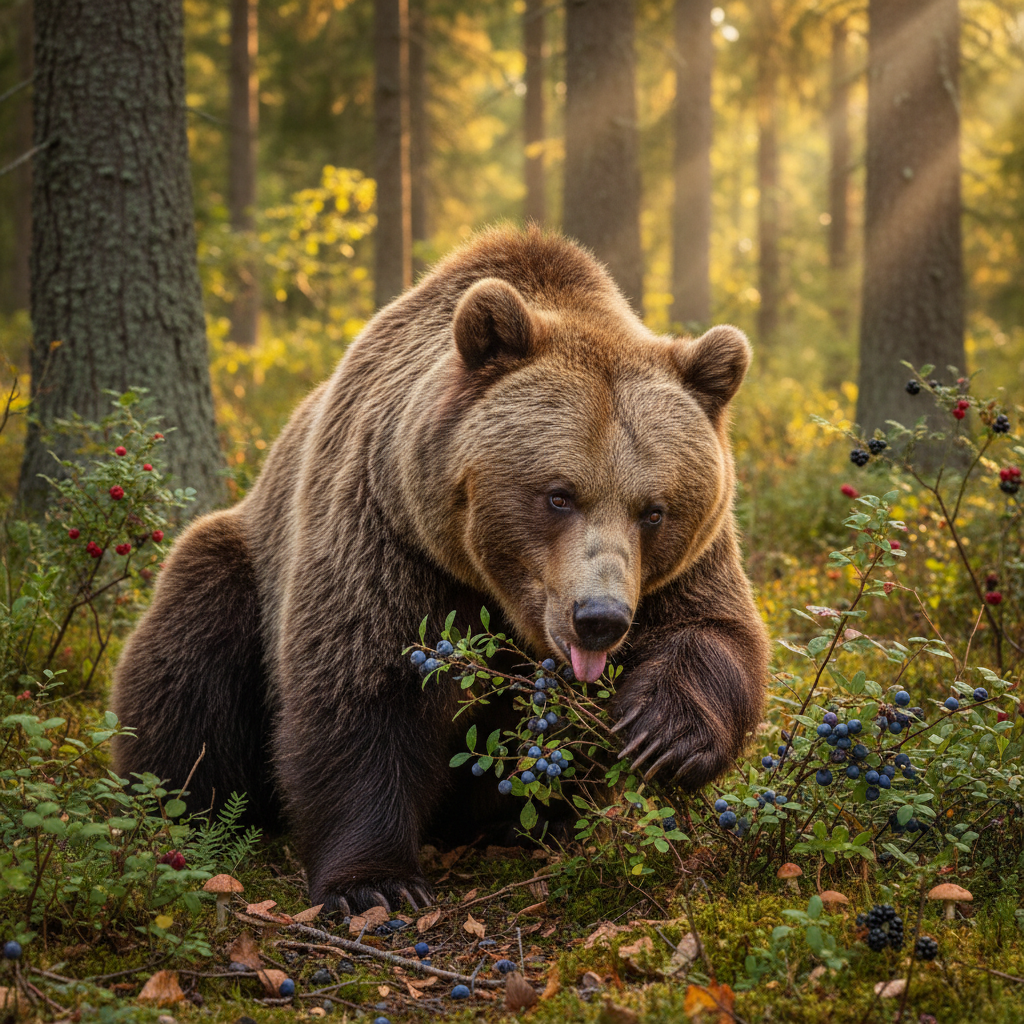
- Bears: A bear might munch on sweet berries and honey, but also catch fish from a river or eat small animals.
- Raccoons: These clever creatures eat nuts, fruits, insects, eggs, and even small frogs.
- Dogs: Your pet dog eats food made from both plant ingredients (like grains and vegetables) and meat.
- Chickens: Chickens peck at seeds and greens, but they also love to eat worms and insects!
Omnivores have a mix of teeth – some flat ones for grinding plants (like herbivores), and some sharp ones for tearing meat (like carnivores). This allows them to eat a wide variety of foods, which helps them survive in many different environments!
 ⚠️ This picture may have spelling mistakes. Trust the words in the lesson.
Why Are These Differences Important?
These different eating habits are not just interesting; they are very important for nature! Every animal has a special job in the food chain. Herbivores eat plants, carnivores eat herbivores (and sometimes other carnivores), and omnivores can eat both. This balance helps to keep all the animals and plants healthy and thriving on our planet.
Imagine if there were too many herbivores and not enough plants! Or if there were too many carnivores and not enough animals for them to eat! Nature has a wonderful way of balancing everything out, and an animal's feeding habit is a big part of that natural balance.
Let's Remember!
- Herbivores love their greens – they eat only plants. (Think cows, rabbits)
- Carnivores are meat-eaters – they eat only other animals. (Think lions, sharks)
- Omnivores eat a mix – they eat both plants and animals. (Think humans, bears)
So, the next time you see an animal, try to guess what kind of diner it is! Is it a plant-lover, a meat-lover, or an 'eat-it-all' explorer?
Keep learning, free
Create a free Syllabax account to unlock practice questions and games for this topic.
Visual Learning Enhanced! 🚀
To help you master this topic, we use Advanced Syllabax AI to generate detailed diagrams and visual models.
Note on Visuals: The AI sometimes makes spelling errors in image labels. Please refer to the lesson text for the correct terminology.