Word Pairs & Collocations
Watch this topic in 60 seconds
Free preview · Lesson 1
Word Pairs & Collocations (Foundational)
Word Pairs & Collocations: Discovering Friendly Words!
Hi there, young word explorers! Today, we're going to discover some super-friendly words that love to hang out together. These are called Word Pairs and Collocations. Think of them as best friends in the world of language!
What are Word Pairs?
Word pairs are two words that we often see used together. They sound good together and help us understand each other better. Sometimes, they even rhyme or have similar sounds. It's like they're made for each other!
Here are some examples:
- Salt and Pepper: You almost always see these two together at the dinner table!
- Black and White: Think of a zebra or an old movie!
- Up and Down: Like a rollercoaster or bouncing a ball.
- Day and Night: The two halves of a 24-hour cycle!
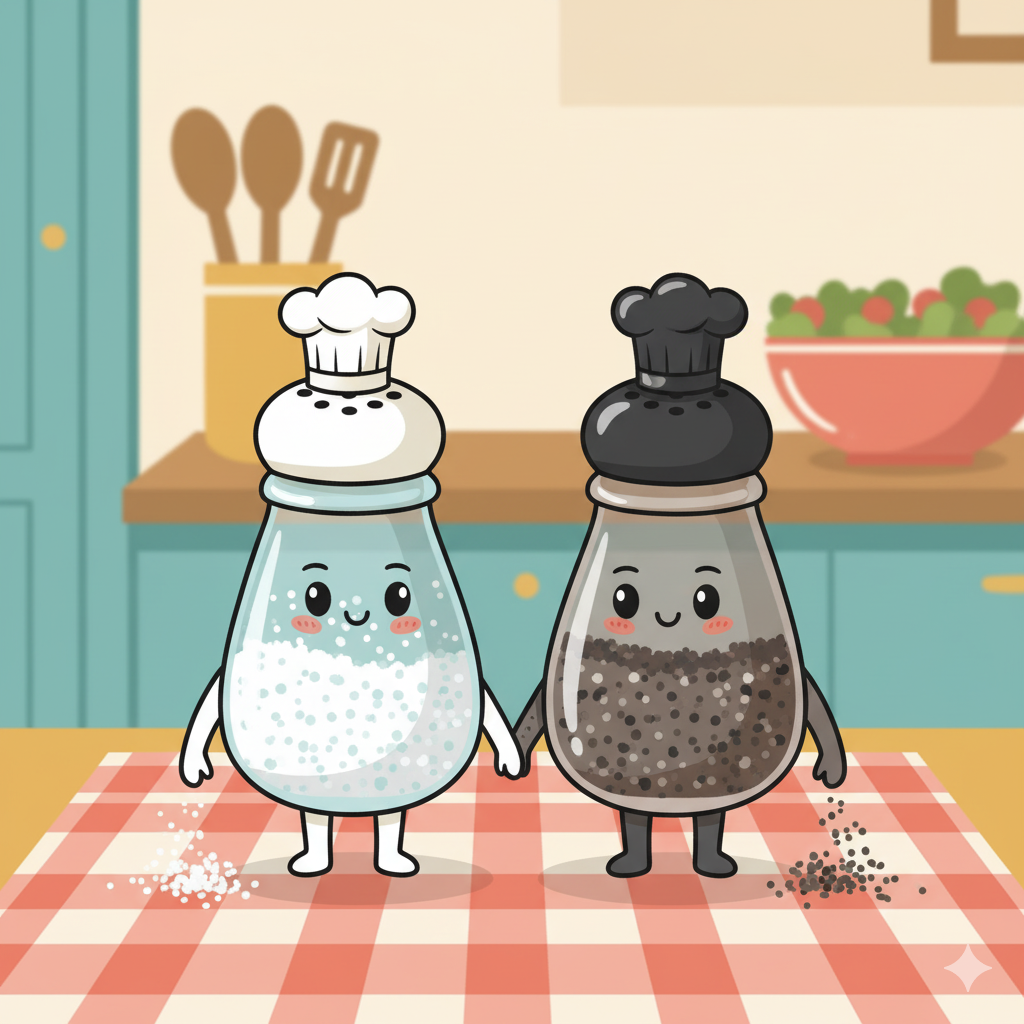 Think about it: Would it sound as good to say "Pepper and Salt"? Usually not! Word pairs have a natural order.
What are Collocations?
Collocations are groups of words that often go together. They might not be just two words, and they don't always rhyme, but they sound natural when used together. They're like a team that works well together!
Here are some examples:
- Make a mistake: We say "make a mistake," not "do a mistake."
- Take a picture: We "take" a picture, not "catch" a picture.
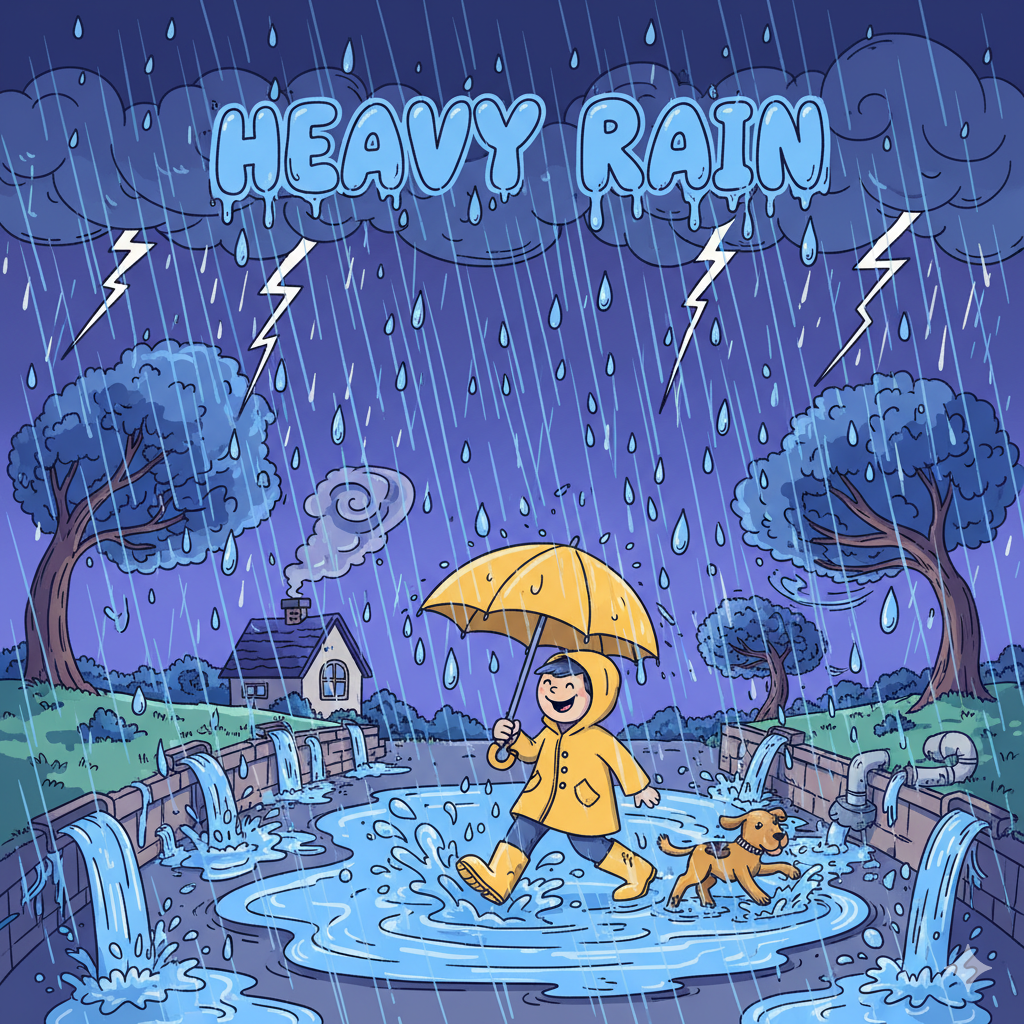
- Heavy rain: We say "heavy rain," not "strong rain" even though both describe a lot of rain.
- Bright sunshine: We say "bright sunshine," not "shiny sunshine."
 Why are Word Pairs and Collocations Important?
- They make your writing and speaking sound more natural.
- They help you understand what you read and hear.
- They make learning vocabulary easier.
So, keep your eyes and ears open for word pairs and collocations. They're all around us, making language more fun and interesting!
Keep learning, free
Create a free Syllabax account to unlock practice questions and games for this topic.
Visual Learning Enhanced! 🚀
To help you master this topic, we use Advanced Syllabax AI to generate detailed diagrams and visual models.
Note on Visuals: The AI sometimes makes spelling errors in image labels. Please refer to the lesson text for the correct terminology.