Finding Most and Least
Watch this topic in 60 seconds
Free preview · Lesson 1
Understanding Finding Most and Least
Learning About 'Most' and 'Least'
Hello, young learners! Today, we're going on an exciting adventure to discover two super important words: MOST and LEAST. These words help us compare groups of things and figure out which group has a lot and which group has just a little. It's like being a detective for numbers!
What Does 'MOST' Mean?
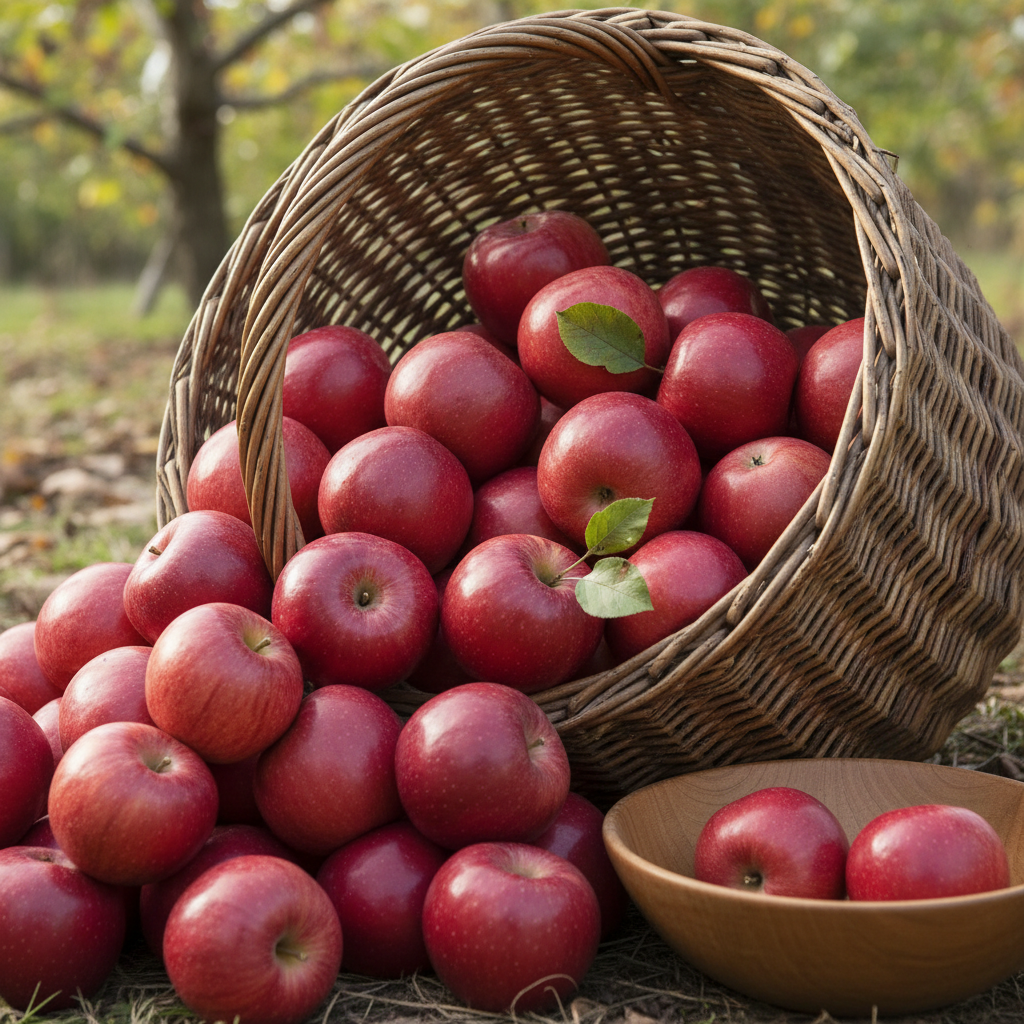
Imagine you have a big basket of delicious apples. You also have a small bowl with just one apple. Which one has more apples? The basket, right? That's what 'MOST' means! MOST means the biggest number or the largest amount of something in a group. It's like having the most toys, the most stickers, or the most cookies!
Think of it this way: If you and your friend are collecting colorful marbles, and you have a huge pile of 10 marbles, but your friend only has 3 marbles, you have the MOST marbles! You have more than anyone else in your group.
Analogy: Imagine a classroom. If one table has 5 students sitting around it, and another table has only 2 students, the table with 5 students has the MOST students. It's the 'biggest' group of students.
What Does 'LEAST' Mean?
Now, let's think about that small bowl with just one apple again. Compared to the big basket of apples, it has very few, doesn't it? That's where LEAST comes in! LEAST means the smallest number or the smallest amount of something in a group. It's like having the fewest blocks, the least amount of juice, or just one tiny little candy.
Going back to the marbles: If you have 10 marbles and your friend has 3, your friend has the LEAST marbles. They have fewer than anyone else in your group.
Analogy: In that same classroom, the table with only 2 students has the LEAST students. It's the 'smallest' group of students.
So, 'most' is like the tallest building, and 'least' is like the smallest house! One has a lot, the other has a little.
 ⚠️ This picture may have spelling mistakes. Trust the words in the lesson.
How Do We Find 'Most' and 'Least'?
It's super easy! We just need to do two simple things:
- Count! We count how many items are in each group. Just like counting your fingers and toes!
- Compare! After counting, we look at the numbers. The biggest number tells us which group has the MOST. The smallest number tells us which group has the LEAST.
Let's Try an Example Together!
Imagine you see three jars:
- Jar A has 3 yummy cookies.
- Jar B has 8 yummy cookies.
- Jar C has 2 yummy cookies.
First, let's count: Jar A = 3, Jar B = 8, Jar C = 2.
Now, let's compare:
- Which number is the biggest? Yes, 8! So, Jar B has the MOST cookies.
- Which number is the smallest? Yes, 2! So, Jar C has the LEAST cookies.
See? It's like a fun game! You're a number detective!
Another Analogy: Imagine three friends are drawing pictures. One friend draws 4 pictures, another draws 10 pictures, and the third draws 6 pictures. Who drew the MOST pictures? The friend who drew 10! Who drew the LEAST pictures? The friend who drew 4!
Why is 'Most' and 'Least' Important?
These words help us every day! When you're sharing toys, you might want to make sure everyone gets a fair share, or you might see who has the most. When you're helping sort laundry, you might put the group with the most socks together. When you're deciding which box of crayons to use, you might pick the one with the most colors!
Understanding 'most' and 'least' helps you understand the world around you and compare different things. It's a foundational skill for understanding bigger numbers and measurements later on.
 ⚠️ This picture may have spelling mistakes. Trust the words in the lesson.
Review Time!
Remember, 'most' means 'a lot,' and 'least' means 'a little.' We count items in groups, then compare the numbers to find out which group is the biggest (most) and which group is the smallest (least).
You are now a 'Most' and 'Least' expert! Keep practicing and looking for groups of things everywhere you go.
Keep learning, free
Create a free Syllabax account to unlock practice questions and games for this topic.
Visual Learning Enhanced! 🚀
To help you master this topic, we use Advanced Syllabax AI to generate detailed diagrams and visual models.
Note on Visuals: The AI sometimes makes spelling errors in image labels. Please refer to the lesson text for the correct terminology.