Pollution basics (Environment)
Watch this topic in 60 seconds
Free preview · Lesson 1
Understanding Pollution basics (Environment)
Pollution Basics: Keeping Our Earth Clean!
Hey there, young environmental explorers! Have you ever seen a messy room? Maybe toys all over the floor, clothes piled up, and crumbs on the table? When a room gets too messy, it's hard to find things, and it doesn't feel very nice, right? Well, our Earth, our big home, can get messy too, and we call that pollution.
What is Pollution?
Imagine the Earth as a giant, beautiful house where we all live. Pollution is like making that house dirty with things that don't belong and can hurt the house or the people and animals living in it. It's when harmful stuff gets into our air, water, or land, making it unhealthy and ugly. These harmful things are called pollutants.
Think of it this way: If you drop a bunch of candy wrappers and old juice boxes on your bedroom floor, those are like pollutants in your room. They make your room messy and maybe even smelly. Pollution does the same thing to our planet!
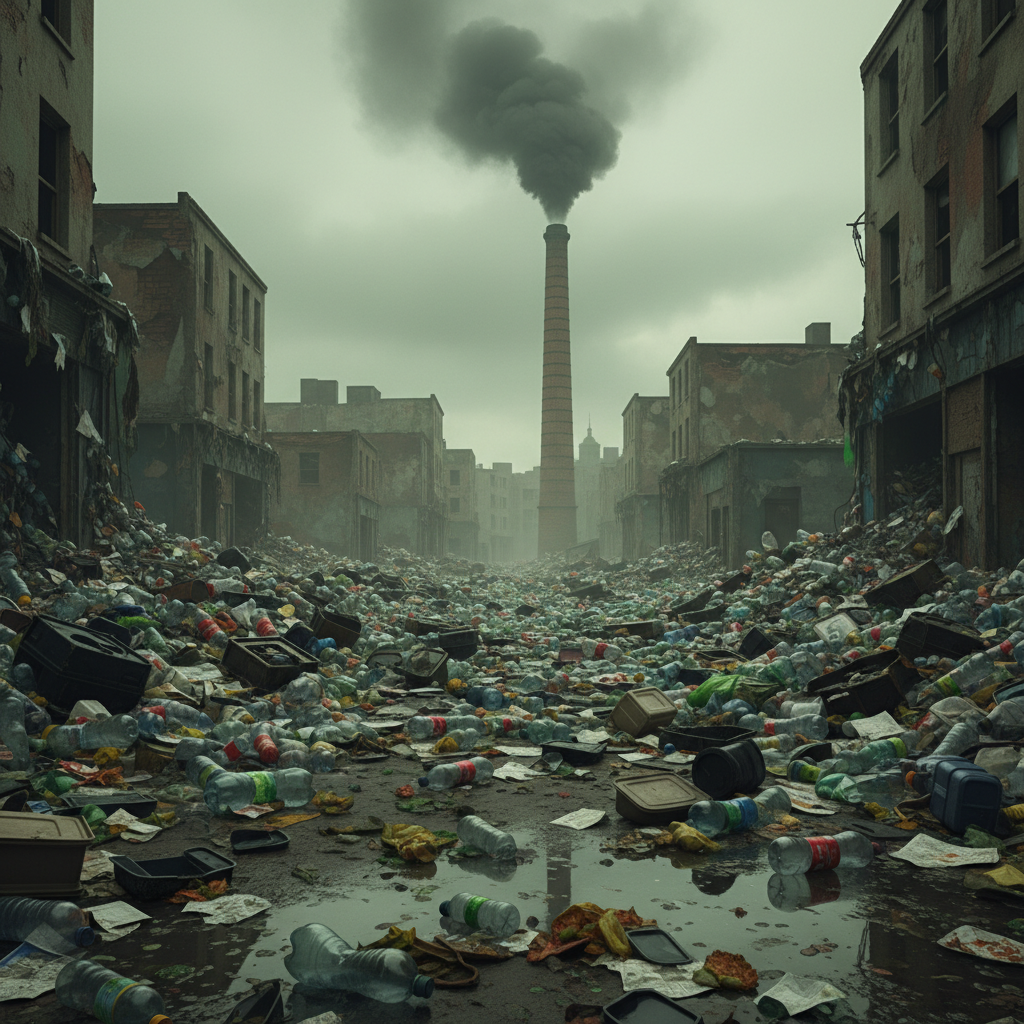
Different Kinds of Pollution
Just like there are different ways a room can get messy (clothes, food, toys), there are different kinds of pollution:
1. Air Pollution: The Dirty Sky
Have you ever seen smoke coming out of a car's exhaust pipe or from a big factory chimney? That smoke is full of tiny particles and gases that are not good for us to breathe. This is called air pollution.
- Analogy: Imagine the sky having bad breath! When cars, trucks, and factories release dirty stuff into the air, it's like our Earth is breathing in bad smells and tiny, invisible dirt.
- What it does: It can make it hard for people to breathe, especially those with asthma. It can also make our eyes watery and sting. For animals, it can hurt their lungs, just like it can hurt ours.
- Where it comes from: Mostly from cars, buses, airplanes, and big factories that burn fuel to make things or power cities.
2. Water Pollution: The Messy Water
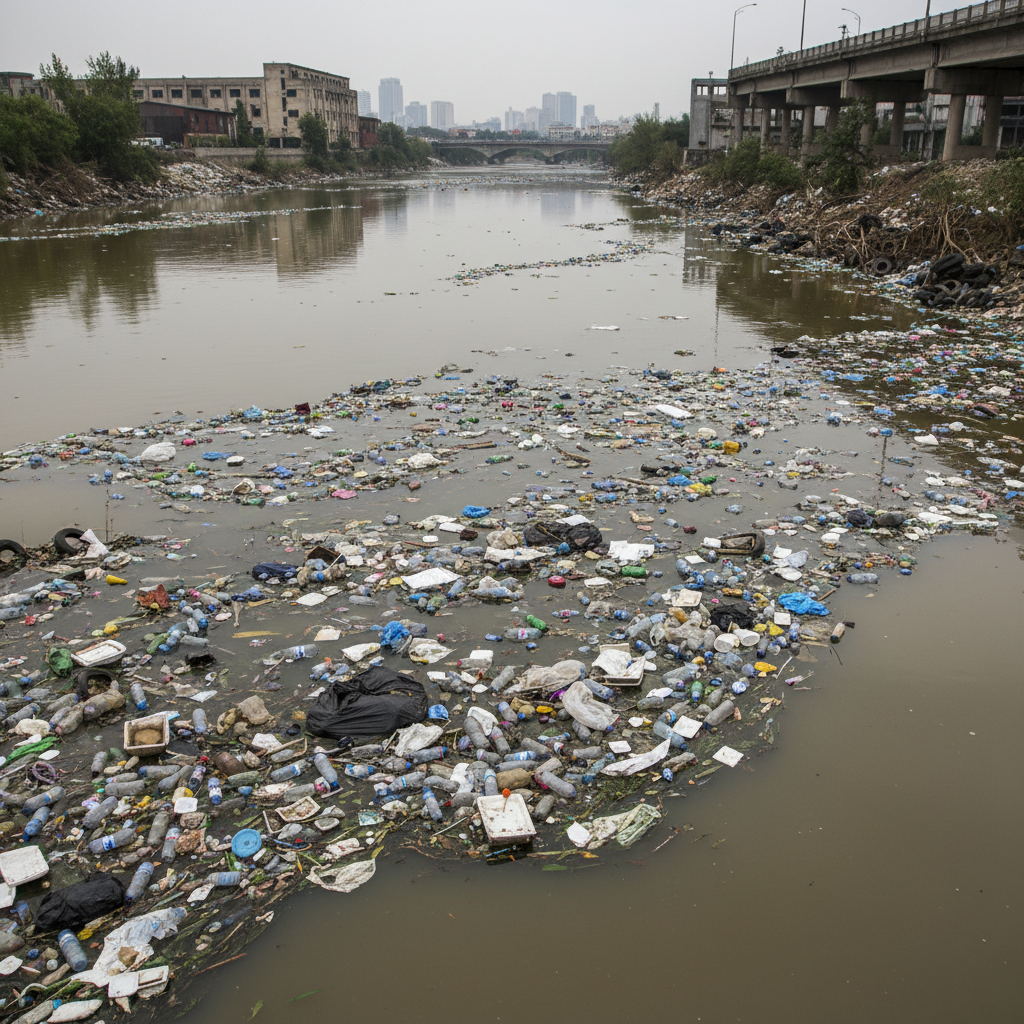
Imagine your bathtub full of clean, clear water. Now, imagine someone pours oil, old food, and even some trash into it. Would you want to take a bath in that? Probably not! That's what water pollution is like.
- Analogy: It's like turning a beautiful, clean swimming pool into a murky, yucky puddle. Fish and other water animals need clean water to live, just like we need clean water to drink and play in.
- What it does: It makes rivers, lakes, and oceans dirty. Fish and other aquatic animals get sick or even die because they can't live in polluted water. It also makes the water unsafe for us to drink or swim in.
- Where it comes from: People sometimes throw trash, plastic bags, and chemicals into drains, rivers, or directly into the ocean. Oil spills from boats or factories can also pollute huge areas of water.
3. Land Pollution (or Soil Pollution): The Dirty Ground
When people throw their garbage on the ground instead of putting it in a trash can, or when chemicals leak into the soil, that's called land pollution. It's like leaving all your lunch wrappers and banana peels scattered all over the playground instead of putting them in the bin.
- Analogy: Think of it as our Earth's skin getting covered in sticky, gross stuff. Plants need healthy soil to grow, just like we need clean skin to be healthy.
- What it does: It makes the land look ugly, and it can harm plants and trees, making it hard for them to grow. Animals might eat the trash and get sick. When rain falls, these pollutants can even wash into rivers and lakes, causing water pollution too!
- Where it comes from: Littering, dumping garbage illegally, and chemicals from farms or factories seeping into the ground.
4. Noise Pollution: Too Much Noise!
Have you ever been in a really loud place, like near a construction site with jackhammers or next to a busy highway? Sometimes, too much loud noise for a long time can be annoying and even bad for our ears. This is called noise pollution.
- Analogy: It's like trying to read a quiet book while ten people are shouting around you at the same time. It's hard to concentrate and can make you feel stressed.
- What it does: It can disturb animals, making them confused or scared. For people, it can make it hard to sleep, study, or even just relax.
- Where it comes from: Loud vehicles, airplanes, construction work, and very loud music.
Why is Pollution a Problem?
Pollution is a big problem because it harms our planet and everything living on it, including us! It can:
- Make people sick (breathing problems, skin rashes, tummy aches).
- Make animals sick or kill them (fish can't breathe in dirty water, birds get stuck in plastic).
- Kill plants and trees, which help us breathe clean air.
- Make our Earth look ugly and smell bad.
- Change the weather patterns, leading to bigger storms or hotter days.
What Can We Do to Help?
The good news is that we can all do our part to help stop pollution! Just like you can clean your messy room, we can help clean our Earth:
- Reduce: Try to use less of things that create waste. For example, use a reusable water bottle instead of buying plastic ones.
- Reuse: Find new ways to use old items instead of throwing them away. Can that old jar become a pen holder?
- Recycle: Put things like plastic, paper, glass, and metal in the right bins so they can be turned into new things.
- Walk or bike: Instead of asking for a car ride for short distances, walk or ride your bike. This helps reduce air pollution!
- Save energy: Turn off lights and electronics when you're not using them. Less energy used means less pollution from power plants.
- Pick up litter: If you see trash on the ground (and it's safe to pick up), put it in a trash can.
Every small action you take can make a big difference in keeping our Earth clean and healthy for everyone!
Keep learning, free
Create a free Syllabax account to unlock practice questions and games for this topic.
Visual Learning Enhanced! 🚀
To help you master this topic, we use Advanced Syllabax AI to generate detailed diagrams and visual models.
Note on Visuals: The AI sometimes makes spelling errors in image labels. Please refer to the lesson text for the correct terminology.