Nutrition & hygiene[BIOLOGY]
Watch this topic in 60 seconds
Free preview · Lesson 1
Understanding Nutrition & hygiene[BIOLOGY]
Nutrition & Hygiene: Fueling Your Body and Keeping it Clean!
Welcome, young scientists, to an exciting journey into the world of nutrition and hygiene! Think of your body like a amazing, super-powered machine. To keep this machine running smoothly, efficiently, and powerfully, it needs two crucial things: the right kind of fuel (nutrition) and regular maintenance (hygiene). Let's dive in!
Part 1: Nutrition - The Fuel for Your Body Machine
Imagine you're building the most incredible race car. You wouldn't just put any old gas in it, right? You'd use the best fuel to make it go fast and far. Your body is the same way! Nutrition is all about the food we eat and how our bodies use it to grow, have energy, and stay healthy.
What are Nutrients?
Nutrients are like the special ingredients in our food that our bodies need. They're the building blocks and the energy providers. We can group these important nutrients into a few main categories:
1. Carbohydrates: The Energy Givers
Think of carbohydrates (carbs) as the gasoline for your body's engine. They are our primary source of energy. When you eat carbs, your body breaks them down into a simple sugar called glucose, which is like quick fuel that your cells can use immediately to run, jump, play, and even think!
Examples: Bread, rice, pasta, fruits, and vegetables (like potatoes!).
Analogy: Eating a banana before playing sports is like filling your car's gas tank before a race!
2. Proteins: The Builders and Repairers
Proteins are like the construction workers and repair crew for your body. They help build and repair all the tissues in your body, such as muscles, skin, and hair. They also play a role in making important things like enzymes (which help chemical reactions happen) and antibodies (which fight off germs).
Examples: Meat, fish, eggs, beans, lentils, nuts, and dairy products (like milk and cheese).
Analogy: When you get a cut, proteins are the tiny workers that come in to patch it up and build new skin. They are also what makes your muscles grow bigger and stronger when you exercise!
3. Fats: The Long-Term Energy Storer and Protector
Fats are like the reserve fuel tanks and the protective padding for your body. They provide energy, especially for longer activities, and help absorb certain vitamins. Fats also protect your organs and keep you warm.
Examples: Oils, butter, nuts, seeds, and fatty fish (like salmon).
Analogy: Think of fat like the insulation in a house – it keeps you warm. It's also like a backup battery, providing energy when your main fuel (carbs) runs low.
4. Vitamins and Minerals: The Helpers and Regulators
Vitamins and minerals are like the special tools and maintenance crew that help everything else in your body work correctly. You only need small amounts of them, but they are super important for many different functions, from helping your eyes see in the dark (Vitamin A) to keeping your bones strong (Calcium).
Examples: Found in fruits, vegetables, dairy, and whole grains. Each vitamin and mineral has its own job (e.g., Vitamin C for immunity, Iron for blood).
Analogy: Vitamins and minerals are like the tiny mechanics that make sure all the parts of your car are working perfectly. Without them, even with fuel, the engine might sputter!
5. Water: The Essential Transporter and Lubricant
Water is absolutely vital! It makes up a large part of your body and is involved in almost every process. It carries nutrients to your cells, helps remove waste, keeps your body temperature stable, and lubricates your joints.
Analogy: Water is like the coolant and the oil in your car. It keeps everything from overheating and allows parts to move smoothly.
What is a Balanced Diet?
Eating a balanced diet means getting all the different nutrients your body needs in the right amounts. It's like having a mix of all the essential tools and fuel for your machine. This usually means eating a variety of foods from all the food groups.
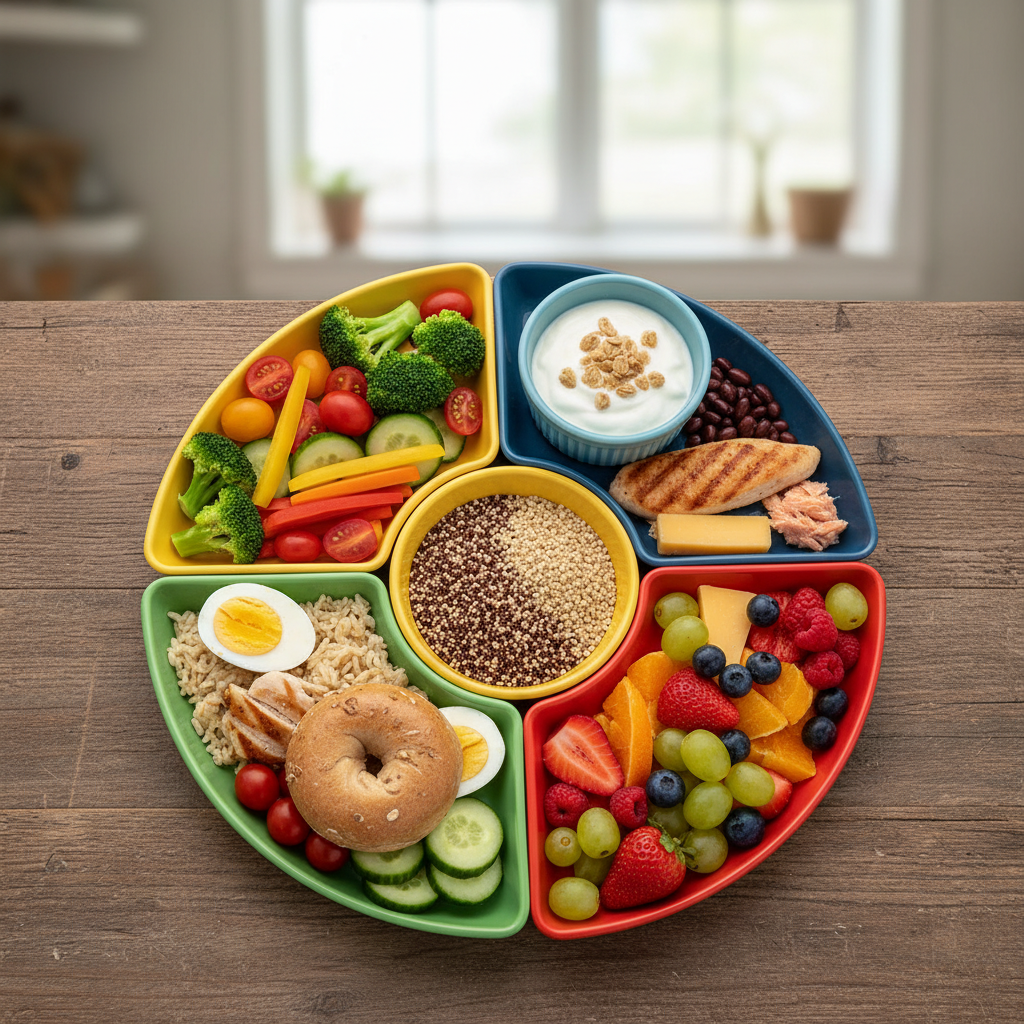 ⚠️ This picture may have spelling mistakes. Trust the words in the lesson.
Analogy: A balanced diet is like having a well-stocked toolbox. You need hammers, screwdrivers, wrenches, and safety glasses – all working together to build something great!
Part 2: Hygiene - The Maintenance for Your Body Machine
Now that we know how to fuel our body machine, let's talk about keeping it clean and in top-notch condition. Hygiene refers to practices that help maintain health and prevent the spread of disease. It's like the regular car wash, oil change, and tune-up for your body!
Why is Hygiene Important?
Our bodies are constantly exposed to tiny invaders called germs (like bacteria and viruses). Germs can make us sick. Good hygiene practices are our shield against these invaders.
1. Handwashing: The First Line of Defense
Washing your hands is one of the simplest yet most powerful ways to prevent the spread of germs. Germs can linger on surfaces and then get onto your hands. When you touch your eyes, nose, or mouth, those germs can enter your body and make you sick.
When to Wash:
- Before eating or preparing food
- After using the toilet
- After coughing, sneezing, or blowing your nose
- After touching animals
- After playing outside
How to Wash: Use soap and warm water, lather for at least 20 seconds (sing 'Happy Birthday' twice!), and rinse thoroughly.
Analogy: Handwashing is like using your car's windshield wipers and washing away dirt and bugs. It clears your view and keeps things clean.
2. Brushing Teeth: Protecting Your Smile
Germs can also build up in your mouth, causing cavities (holes in your teeth) and bad breath. Brushing your teeth twice a day helps remove food particles and plaque (a sticky film of germs).
Analogy: Brushing your teeth is like cleaning the engine parts of your car to ensure they can work without getting clogged.
3. Bathing and Showering: Cleaning the Whole Machine
Regularly bathing or showering cleans your skin, removing dirt, sweat, and germs that can cause body odor and skin infections.
Analogy: This is like washing your car's exterior – it makes it look good and keeps the paint (your skin) healthy.
4. Food Safety: Keeping Fuel Clean
How we prepare and store food is also part of hygiene. Making sure food is cooked thoroughly and stored properly prevents the growth of harmful germs that can cause food poisoning.
Analogy: This is like making sure the fuel you put in your car is clean and free of debris. Dirty fuel can damage the engine.
5. Keeping Your Surroundings Clean: A Healthy Environment
Keeping your home, school, and play areas clean also helps reduce the number of germs around you.
Analogy: This is like keeping the garage where you park your car clean. A clean environment means less chance of your car picking up dirt or damage.
Putting it all Together
Nutrition and hygiene work hand-in-hand. Eating healthy foods gives your body the strength and resources to fight off germs. Good hygiene practices help prevent germs from entering your body in the first place, allowing your well-nourished body to function at its best.
So remember, fuel your body machine with good food and maintain it with good hygiene, and you'll be ready for anything!
Keep learning, free
Create a free Syllabax account to unlock practice questions and games for this topic.
Visual Learning Enhanced! 🚀
To help you master this topic, we use Advanced Syllabax AI to generate detailed diagrams and visual models.
Note on Visuals: The AI sometimes makes spelling errors in image labels. Please refer to the lesson text for the correct terminology.